Tea Flavor Wheel Explained: How to Understand and Describe Tea Taste
When people first start tasting tea, they often feel stuck:
“I know I like it… but I don’t know how to describe it.”
That’s exactly why the tea flavor wheel exists.
It gives you a simple way to:
👉 understand
👉 describe
👉 remember
what you’re tasting.
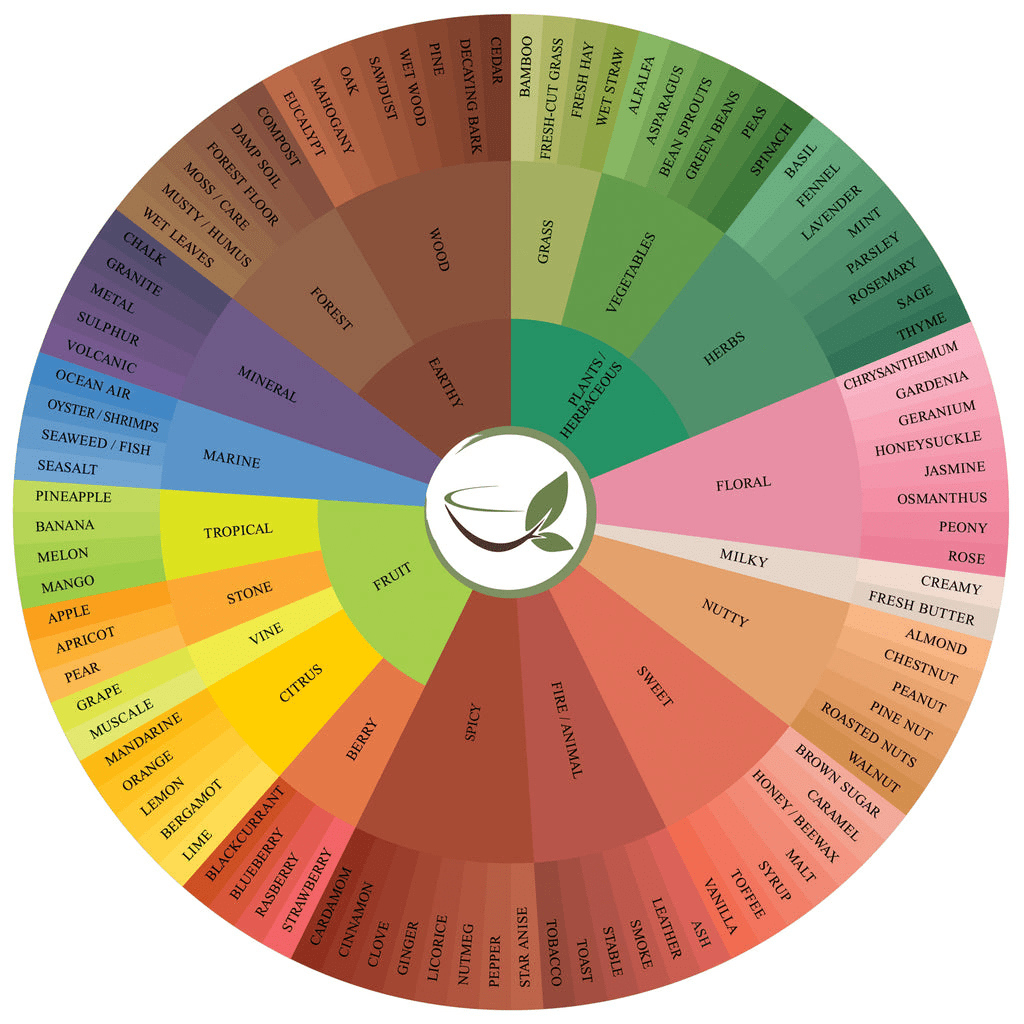
What Is a Tea Flavor Wheel?
A tea flavor wheel is a visual tool that organizes:
- Aromas
- Tastes
- Flavor categories
👉 Think of it as a map for your senses
Why the Flavor Wheel Matters
Without it:
- Everything tastes “just tea”
With it:
- You notice differences
- You describe flavors
- You understand quality
👉 It upgrades your perception
How the Tea Flavor Wheel Works
It has 3 levels:
1. Core Categories (Center)
Basic flavor types:
- Floral
- Fruity
- Vegetal
- Nutty
- Roasted
👉 These are easy to recognize
2. Subcategories (Middle Layer)
More specific:
- Floral → jasmine, orchid
- Fruity → peach, citrus
- Roasted → caramel, toast
👉 Adds clarity
3. Detailed Notes (Outer Layer)
Very specific descriptions:
- Honey
- Dried fruit
- Cocoa
- Herbs
👉 Used by advanced tasters
How to Use the Flavor Wheel (Simple Method)
Step 1: Taste the tea
Don’t think—just experience
Step 2: Ask one question
👉 What does this remind me of?
Step 3: Find the closest category
- Floral?
- Fruity?
- Roasted?
Step 4: Refine if needed
- Light floral?
- Sweet fruit?
- Deep roasted?
👉 That’s enough
Example (Real Use Case)
Green Tea
- Category → Vegetal
- Sub → Fresh / grassy
- Note → Spinach / seaweed
Oolong Tea
- Category → Floral
- Sub → Sweet floral
- Note → Orchid / honey
Black Tea
- Category → Roasted / sweet
- Sub → Malty
- Note → Caramel / cocoa
👉 Now you’re “describing tea”
Common Flavor Categories in Tea
🌸 Floral
- Jasmine
- Orchid
- Rose
🍊 Fruity
- Citrus
- Peach
- Dried fruit
🌿 Vegetal
- Grass
- Spinach
- Seaweed
🌰 Nutty / Sweet
- Almond
- Honey
- Caramel
🔥 Roasted
- Toast
- Coffee-like
- Cocoa
👉 These cover most teas
Why Beginners Struggle
❌ Expecting exact answers
There is no “correct flavor”
❌ Overcomplicating
Too many terms too early
❌ Comparing to experts
Unnecessary
👉 Flavor is subjective
Pro Tip (Very Important)
Don’t try to be precise.
Instead:
👉 Be approximate
Example:
- “Something like fruit”
- “Kind of sweet”
- “Feels roasted”
👉 That’s how real skill starts
How to Improve Fast
1. Taste more tea
Exposure builds memory
2. Compare side by side
Differences become obvious
3. Use the same cup style
Consistency helps perception
4. Keep it simple
No need for fancy language
Flavor vs Aroma (Important Distinction)
Aroma:
What you smell
Flavor:
What you taste + smell
👉 Most flavor comes from aroma
Why the Flavor Wheel Matters for Quality
Good tea:
- Clear flavor categories
- Clean aroma
- Balanced profile
Bad tea:
- Flat
- Muddy
- Undefined
👉 Flavor clarity = quality
Final Thoughts
The flavor wheel is not about being technical.
It’s about:
👉 learning to notice
Once you start using it:
- Tea becomes clearer
- Tasting becomes easier
- Enjoyment increases
👉 And that’s the real goal
Continue the Journey
Tea Aroma Guide: How to Smell and Understand Tea Like an Expert
If flavor is what you taste… 👉 Aroma is what you truly...
Why Tea Leaves Expand When Brewing: The Science Behind Tea Unfolding
Have you ever noticed this? You start with a small amount of...
How Much Caffeine Is in Tea? A Complete Guide by Tea Type
If you’re wondering: You’re not alone. This is one of the most...