Polyphenols in Tea Explained: Why Tea Is Rich in Powerful Antioxidants
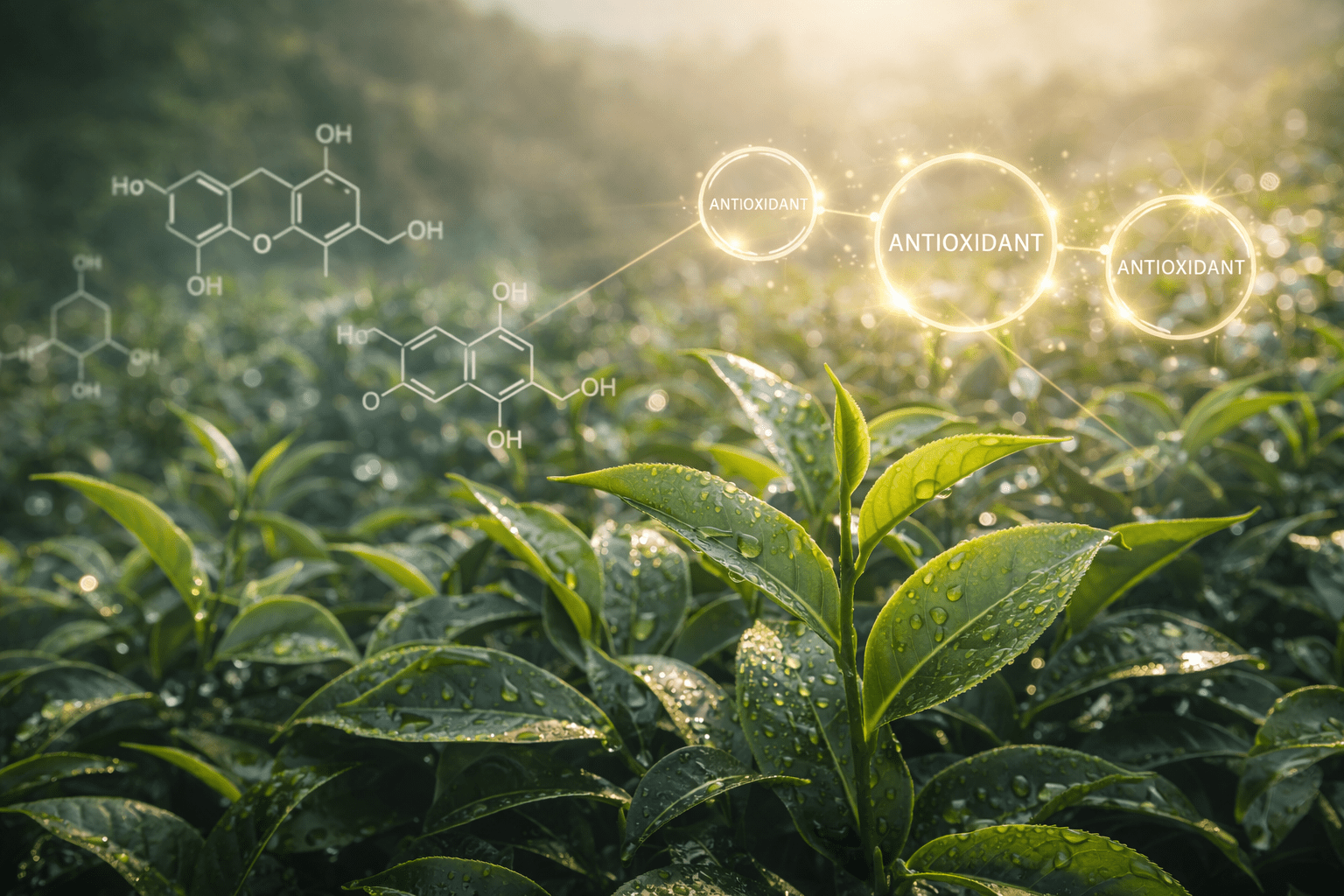
Tea has been consumed for thousands of years not only for its flavor but also for its potential health benefits. One of the key reasons tea is often considered a healthy beverage is its high concentration of polyphenols.
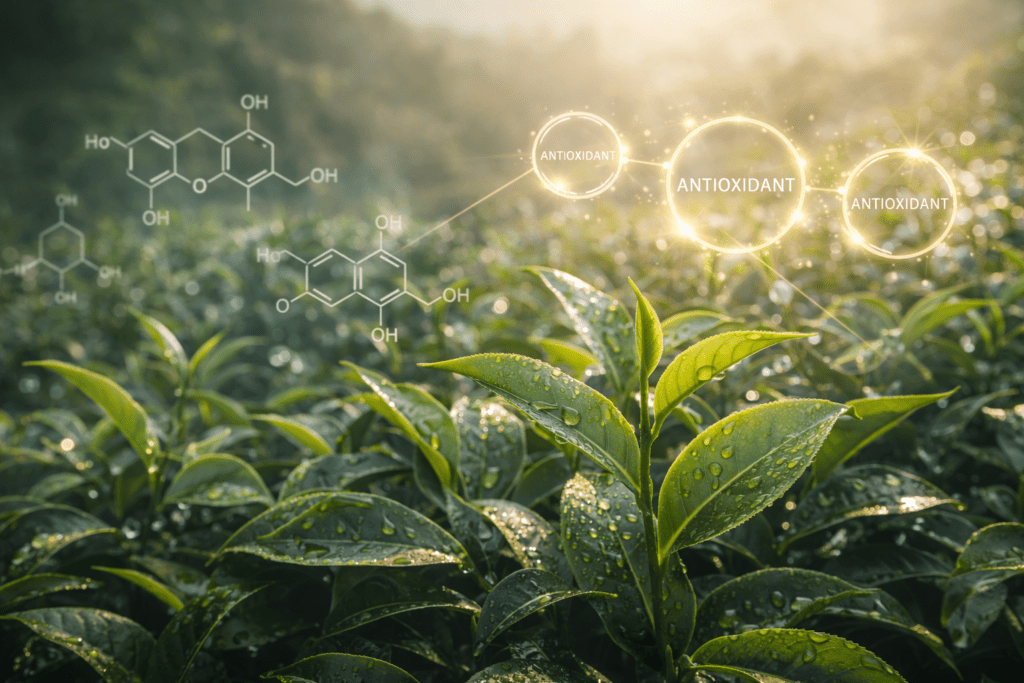
Polyphenols are natural plant compounds that act as antioxidants. They help protect cells from damage caused by free radicals and may support overall health in several ways.
Tea is one of the richest natural sources of polyphenols in the human diet. These compounds contribute not only to tea’s health benefits but also to its taste, color, and aroma.
Understanding polyphenols helps explain why tea has remained one of the most widely consumed beverages in the world.
What Are Polyphenols?
Polyphenols are a group of naturally occurring compounds found in many plants. They are especially abundant in foods such as:
- tea
- fruits
- vegetables
- cocoa
- wine
These compounds serve protective functions in plants, helping them defend against environmental stress and damage.
In tea leaves, polyphenols are responsible for many of the beverage’s most important properties.
They influence:
- flavor and bitterness
- aroma development
- color of the brewed tea
- antioxidant activity
Because tea contains large amounts of these compounds, it is often studied in nutrition and health research.
Types of Polyphenols Found in Tea
Tea contains several types of polyphenols, each contributing to its unique properties.
Catechins
Catechins are the primary polyphenols found in green tea. They are known for their strong antioxidant properties.
Common catechins include:
- EGCG (epigallocatechin gallate)
- EGC
- ECG
- EC
These compounds are most abundant in green tea because the leaves undergo minimal oxidation.
Theaflavins
Theaflavins form during the oxidation process in black tea.
They contribute to:
- the bright color of black tea
- brisk flavor
- complex aroma
Thearubigins
These compounds develop during full oxidation and give black tea its deep color and body.
Together, these polyphenols create the complex chemistry that defines different tea types.
How Tea Processing Affects Polyphenols
The amount and type of polyphenols in tea depend heavily on how the tea is processed.
Different teas preserve or transform these compounds in different ways.
Green Tea
Green tea is minimally oxidized, which helps preserve high levels of catechins.
This is why green tea is often associated with antioxidant research.
Oolong Tea
Oolong tea is partially oxidized, meaning some catechins are converted into other polyphenols.
This creates a balance between freshness and complexity.
Black Tea
Black tea undergoes full oxidation, which transforms many catechins into theaflavins and thearubigins.
These compounds produce stronger flavors and darker tea liquor.
Why Polyphenols Matter for Health
Polyphenols are widely studied because of their potential health benefits.
Research suggests that tea polyphenols may support several aspects of health.
Possible benefits include:
- antioxidant protection
- cardiovascular health support
- metabolic balance
- anti-inflammatory effects
These compounds help neutralize free radicals, which can damage cells over time.
Although tea should not be viewed as a medical treatment, it can be part of a healthy lifestyle.
Polyphenols and Tea Flavor
Polyphenols influence more than just health—they also shape how tea tastes.
For example:
- catechins contribute to bitterness and astringency
- theaflavins add brightness and briskness
- thearubigins create body and smoothness
When tea is brewed, these compounds dissolve into the water and create the familiar taste of tea.
The balance of these molecules determines whether a tea tastes light, strong, smooth, or complex.
Which Tea Has the Most Polyphenols?
Different types of tea contain varying levels of polyphenols.
Generally speaking:
| Tea Type | Polyphenol Level |
|---|---|
| Green tea | Very high |
| White tea | High |
| Oolong tea | Moderate |
| Black tea | Moderate |
| Pu-erh tea | Varies with aging |
Because green tea undergoes minimal processing, it tends to retain the highest levels of catechins.
However, each type of tea offers its own unique balance of compounds.
Brewing and Polyphenol Extraction
The way tea is brewed can influence how many polyphenols end up in the cup.
Several factors affect extraction:
- water temperature
- steeping time
- leaf quantity
- tea quality
Longer steeping times generally extract more polyphenols, but they can also increase bitterness.
Finding the right balance allows drinkers to enjoy both the flavor and the beneficial compounds in tea.
Final Thoughts
Polyphenols are one of the most important components of tea. They contribute to both the flavor and the potential health benefits that make tea such a popular beverage worldwide.
From catechins in green tea to theaflavins in black tea, these compounds create the unique chemistry that defines different tea styles.
Understanding polyphenols helps us appreciate tea not only as a traditional drink but also as a complex and fascinating plant-based beverage.
Continue the Journey

Why Tea Tastes Bitter Sometimes: Causes and How to Fix It
Tea is often described as smooth, refreshing, and complex. However, many tea...
Caffeine in Tea Guide: How Much Caffeine Is in Different Types of Tea?
Tea is widely appreciated for its gentle energy and balanced stimulation. One...
L-Theanine in Tea: Why Tea Creates Calm and Focused Energy
Tea has a unique effect on the mind. Unlike coffee, which often...