Tea Storage Science: How to Store Tea Properly for Freshness and Aging
Tea is extremely sensitive.
More than coffee.
More than wine.
In fact, how you store tea matters just as much as the tea itself.
You can buy high-quality tea…
and completely ruin it within weeks.
Or…
You can store it properly—and preserve or even improve it over time.
This guide breaks down the real science behind tea storage, and how to do it correctly.
Why Tea Storage Matters So Much
Tea leaves are:
- Porous
- Chemically active
- Highly absorbent
This means tea can easily:
- Lose aroma
- Absorb odors
- Degrade from air, light, and moisture
The 5 Enemies of Tea
If you understand this, you understand tea storage.
1. Oxygen (Air)
Effects:
- Oxidation
- Flavor loss
- Staleness
2. Moisture (Humidity)
Effects:
- Mold
- Spoilage
- Uncontrolled fermentation
3. Light (Especially Sunlight)
Effects:
- Breakdown of compounds
- Loss of aroma
4. Heat
Effects:
- Accelerated degradation
- Flavor flattening
5. Odors
Tea absorbs smell like a sponge.
Nearby items can ruin tea:
- Spices
- Coffee
- Perfume
Two Completely Different Storage Goals
This is where most people go wrong.
Tea storage has TWO purposes:
1. Preserve Freshness
For:
- Green tea
- Light oolong
- Fresh white tea
👉 Goal: Stop change
2. Allow Aging
For:
- Pu-erh
- Dark tea
- Some white tea
👉 Goal: Control change
How to Store Tea for Freshness
Rule 1: Airtight Container
Best options:
- Tin containers
- Ceramic jars
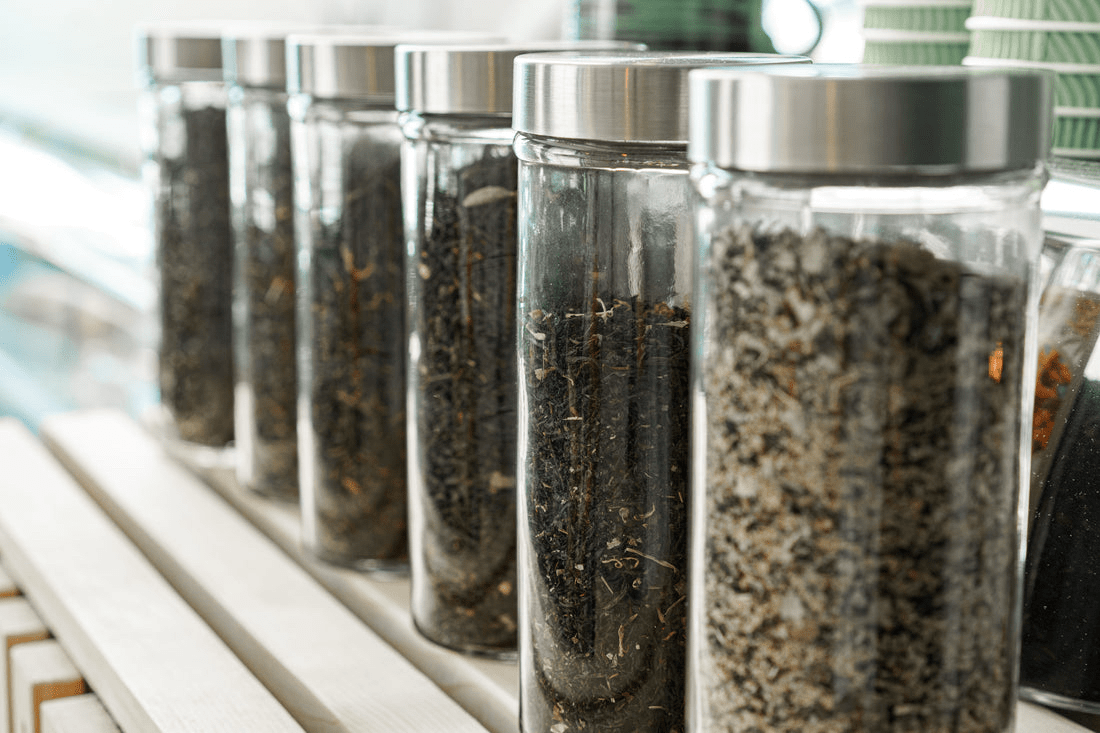
- High-quality glass (with seal)
Rule 2: Cool, Dark Place
Avoid:
- Kitchen heat
- Direct sunlight
Ideal:
- Cabinet
- Pantry
Rule 3: Low Humidity
Never store tea in:
- Bathroom
- Near sink
Rule 4: Separate Strong Aromas
Always keep tea away from:
- Coffee
- Spices
- Food
How to Store Tea for Aging (Very Different)
This is where it gets interesting.
❌ DO NOT use airtight containers
Aging tea needs airflow.
✅ Use breathable storage
Examples:
- Paper wrapping
- Clay containers
- Wooden shelves
Control Humidity (Critical)
Ideal range:
- 60%–70% (for Pu-erh aging)
Too dry:
- Aging stops
Too humid:
- Mold risk
Stable Environment
Avoid:
- Temperature swings
- Air conditioning cycles
Consistency is key.
Storage by Tea Type (Practical Guide)
Green Tea
- Airtight
- Refrigeration possible
- Drink within 6–12 months
White Tea
- Can age
- Store dry but breathable
- Avoid moisture
Oolong Tea
- Light oolong → airtight
- Roasted oolong → can age slightly
Black Tea
- Airtight
- Stable storage
- Long shelf life
Pu-erh Tea
- Breathable storage
- Moderate humidity
- Long-term aging
Best Containers for Tea Storage
1. Tin Canisters (Best for Fresh Tea)
Pros:
- Airtight
- Blocks light
2. Ceramic Jars
Pros:
- Stable temperature
- Neutral
3. Glass Containers
Pros:
- Visible
Cons:
- Must avoid light exposure
4. Clay Containers (for Aging)
Pros:
- Breathable
- Traditional
Common Storage Mistakes
❌ Storing Tea in the Fridge (Incorrectly)
Only for green tea—and even then:
- Must be airtight
- Avoid moisture condensation
❌ Leaving Tea Open
Leads to:
- Aroma loss
- Oxidation
❌ Mixing Different Teas
Smell contamination happens fast.
❌ Using Cheap Plastic Containers
Plastic can:
- Transfer odor
- Affect taste
How Long Can Tea Last?
| Tea Type | Storage Life |
|---|---|
| Green Tea | 6–12 months |
| White Tea | 1–5+ years |
| Oolong | 1–3 years |
| Black Tea | 2–5 years |
| Pu-erh | Decades |
How to Tell If Tea Has Gone Bad
Signs:
- Flat aroma
- Sour smell
- Musty odor (bad sign)
- Dull taste
Pro-Level Tip (Very Important)
If you only remember ONE thing:
👉 Buy less tea, store it well, drink it fresh
Most beginners fail because they:
- Buy too much
- Store poorly
Final Thoughts
Tea storage is not complicated—but it requires awareness.
If brewing tea is an art…
then storing tea is discipline.
And once you get this right:
👉 Every cup improves
Continue the Journey
Tea Aroma Guide: How to Smell and Understand Tea Like an Expert
If flavor is what you taste… 👉 Aroma is what you truly...
Why Tea Leaves Expand When Brewing: The Science Behind Tea Unfolding
Have you ever noticed this? You start with a small amount of...
Tea Flavor Wheel Explained: How to Understand and Describe Tea Taste
When people first start tasting tea, they often feel stuck: “I know...