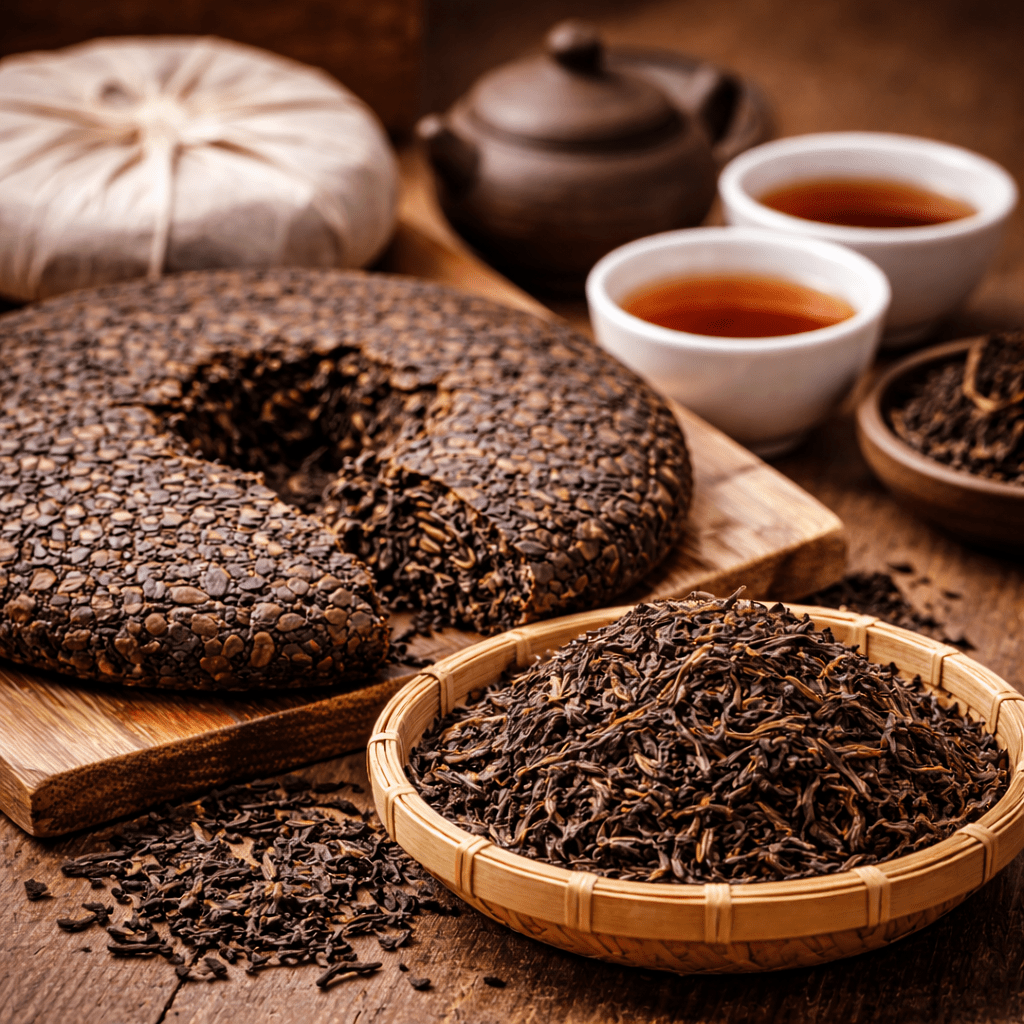
Chinese Dark Tea Explained: Fermented Tea Traditions
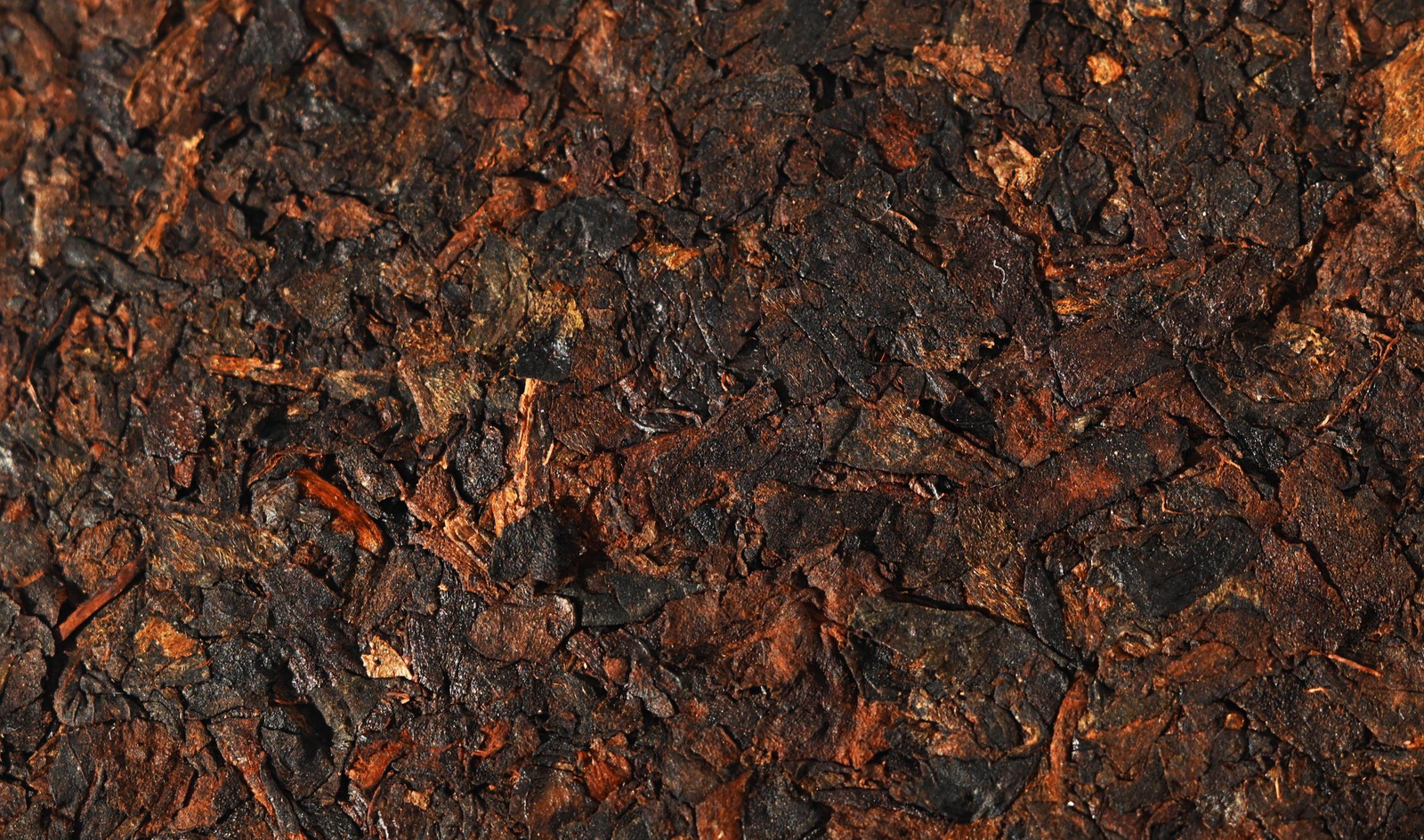
Introduction
When people first begin exploring Chinese tea, they often hear about green tea, black tea, oolong tea, and white tea. Yet there is another important category that remains less familiar outside China: dark tea.
Dark tea, known in Chinese as hei cha, represents one of the six traditional tea categories of China. Unlike green tea or black tea, which rely mainly on oxidation, dark tea undergoes microbial fermentation, a slow transformation that changes the flavor, aroma, and character of the tea over time.
This process gives dark tea its distinctive earthy aroma, deep color, and smooth taste. Some varieties of dark tea can even improve with age, much like fine wine.
In this guide, we will explore:
- What dark tea is
- How dark tea is made
- The history of fermented tea traditions
- Famous types of Chinese dark tea
- The difference between dark tea and Pu-erh
- How to brew dark tea correctly
Understanding dark tea opens the door to one of the most fascinating traditions in Chinese tea culture.
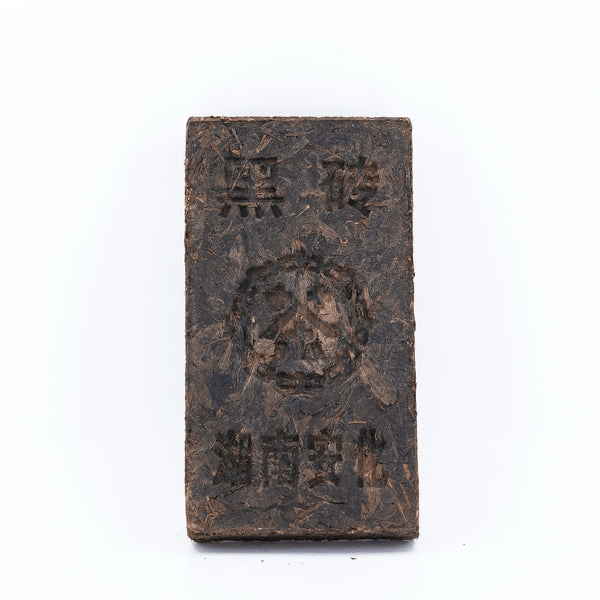
What Is Chinese Dark Tea?
Chinese dark tea refers to a group of teas that undergo post-fermentation, meaning that microbial activity continues after the initial processing of the leaves.
This fermentation process involves naturally occurring microorganisms that interact with the tea leaves over time. As the tea ages, its chemical composition gradually changes.
The results include:
- darker leaf color
- deeper, richer aroma
- smoother taste
- reduced bitterness
Dark tea is therefore often described as aged tea or fermented tea.
While many people associate dark tea only with Pu-erh, Pu-erh is actually just one member of the broader dark tea family.
Other famous dark teas come from regions such as Hunan, Sichuan, and Guangxi.
The History of Dark Tea
The origins of dark tea are closely connected to ancient trade routes.
Centuries ago, compressed teas were produced for transportation along long caravan routes such as the Tea Horse Road. These teas were traded from China to Tibet, Mongolia, and Central Asia.
During these long journeys, something remarkable happened.
The tea continued to ferment naturally during storage and transport. Over time, people discovered that the flavor became smoother and more complex.
This accidental discovery eventually developed into a deliberate tea-making tradition.
Many dark teas were historically pressed into shapes such as:
- tea bricks
- tea cakes
- tea logs
These compressed forms made the tea easier to transport over long distances.
Today, this aging tradition remains one of the defining characteristics of dark tea.
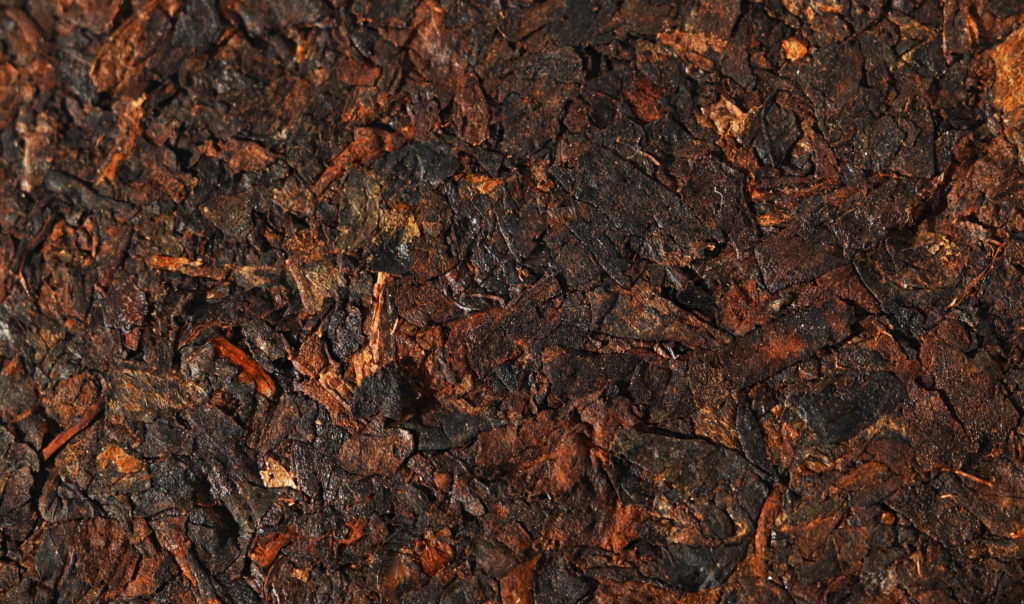
How Dark Tea Is Made
Although different dark teas have unique techniques, the general production process includes several key steps.
Harvesting
Tea leaves are picked from the Camellia sinensis plant, often using mature leaves rather than the young buds used for delicate teas.
Fixing
The leaves are heated to stop natural oxidation, similar to other tea categories.
Rolling
Rolling breaks the cell walls of the leaves and shapes them into strands or flakes.
Microbial Fermentation
This is the defining step.
The leaves are stored in warm, humid conditions where microorganisms slowly transform the tea.
Over time:
- aromas deepen
- bitterness softens
- complex earthy notes develop
Aging
Some dark teas are aged for months or years.
During aging, the flavor continues to evolve and become smoother.
Famous Types of Chinese Dark Tea
Several regional dark teas are well known within China.
Pu-erh Tea
Pu-erh tea from Yunnan province is the most famous dark tea internationally.
It exists in two main forms:
- Sheng Pu-erh (raw)
- Shou Pu-erh (ripe)
These teas can age for many years.
Anhua Dark Tea
Produced in Hunan province, Anhua dark tea is known for its distinctive microbial fermentation process.
It often appears in brick or compressed forms.
Liubao Tea
Originating from Guangxi province, Liubao tea has long been popular in southern China and Southeast Asia.
Its flavor is mellow, earthy, and slightly woody.
Flavor Profile of Dark Tea
Dark tea is very different from the fresh and grassy flavors of green tea.
Typical tasting notes include:
- earthy aromas
- woody notes
- dried fruit sweetness
- smooth, mellow body
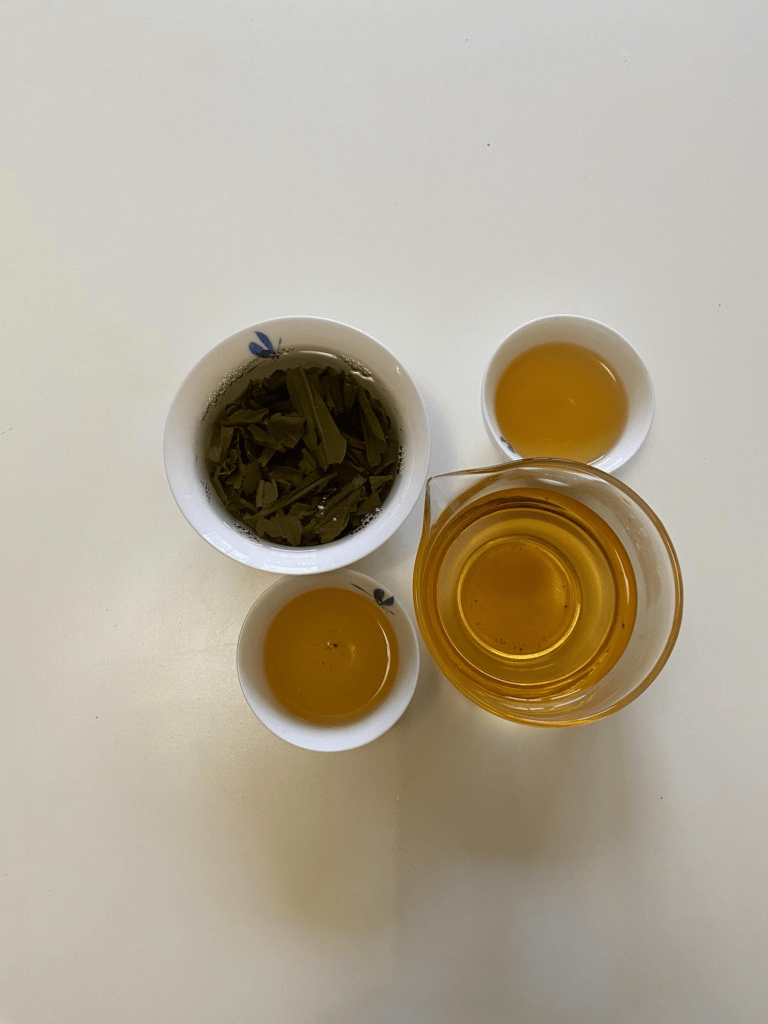
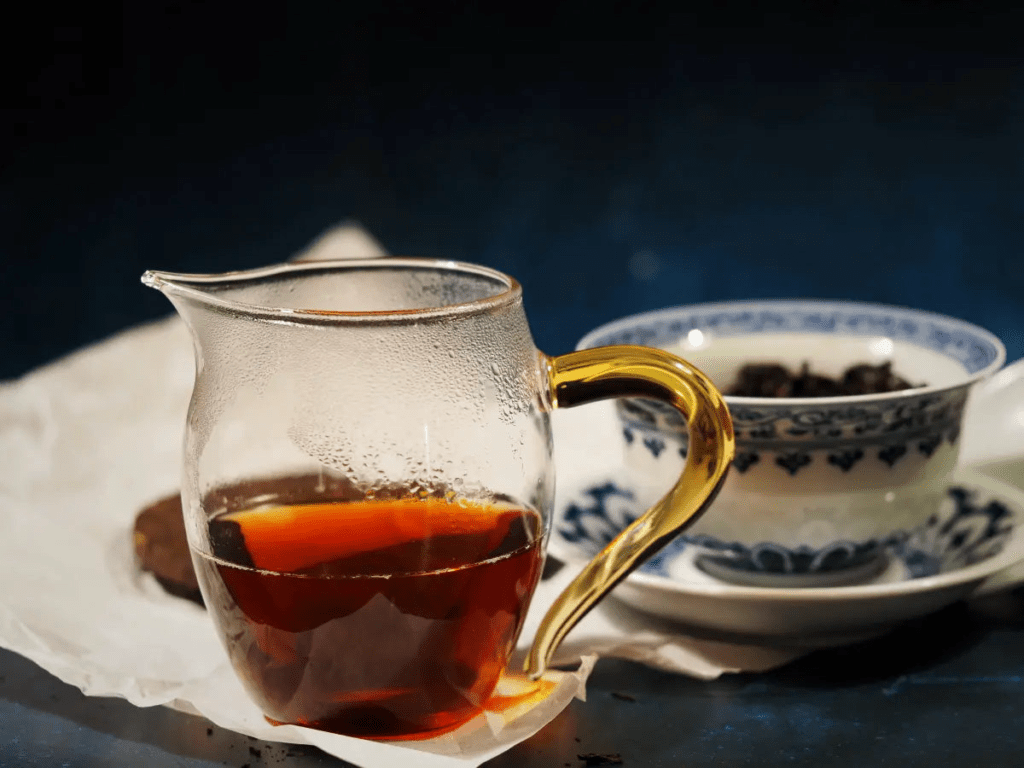
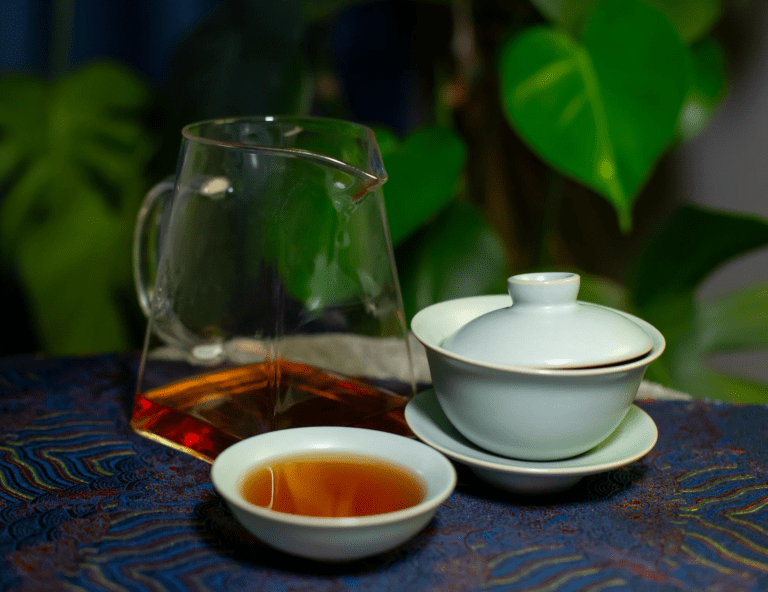
The liquor is usually deep amber or dark reddish brown.
Many tea drinkers appreciate dark tea because it is low in bitterness and easy to drink, even when brewed strongly.
Aged dark teas can develop extremely complex flavors over time.
Health Benefits of Dark Tea
Dark tea contains many of the natural compounds found in other teas, including polyphenols and antioxidants.
In addition, the fermentation process creates new compounds that may influence digestion and metabolism.
Potential benefits often associated with dark tea include:
- digestive support after meals
- antioxidant activity
- gentle caffeine stimulation
- microbial fermentation compounds
Because of these qualities, dark tea has traditionally been consumed after heavy meals in certain regions.
However, tea should always be viewed as part of a balanced lifestyle rather than a medical treatment.
How to Brew Dark Tea
Dark tea is generally forgiving when brewed, making it suitable for both beginners and experienced tea drinkers.
Water Temperature
Use near-boiling water:
95°C – 100°C
(203°F – 212°F)
Tea Quantity
Use about:
5 grams of tea for 150 ml of water.
Rinse the Tea
Compressed dark teas are often rinsed briefly with hot water before brewing.
This step helps awaken the leaves.
Steeping Time
First infusion:
10–20 seconds for gongfu brewing.
Later infusions can gradually increase in time.
High-quality dark tea can often be brewed many times, sometimes over ten infusions.
Dark Tea vs Pu-erh Tea
Many people believe that dark tea and Pu-erh tea are the same.
In reality:
Pu-erh is one type of dark tea, but not all dark teas are Pu-erh.
The main difference lies in geographic origin and production style.
Pu-erh is produced only in Yunnan province, while other dark teas come from different regions of China.
Understanding this distinction helps clarify the diversity of fermented tea traditions.
Conclusion
Chinese dark tea represents one of the most unique traditions in the world of tea. Through microbial fermentation and aging, these teas develop rich flavors and smooth textures that are very different from fresh teas such as green tea.
From Pu-erh to Anhua dark tea and Liubao tea, each variety offers its own character shaped by region, climate, and traditional craftsmanship.
For tea drinkers who enjoy deep, mellow flavors and the idea of tea that improves with time, dark tea offers a fascinating journey into the historical and cultural depth of Chinese tea.
Exploring dark tea also reveals how diverse and complex the world of tea truly is.
Continue the Journey
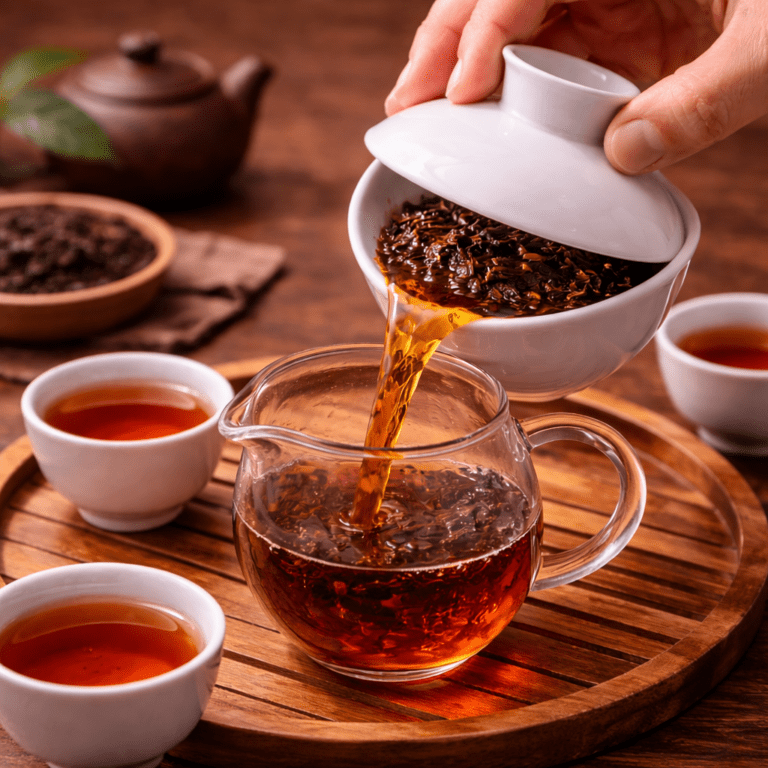
How to Brew Pu-erh Tea Properly: Temperature, Rinsing, and Traditional Brewing Methods
Pu-erh tea is one of the most unique teas in the world....
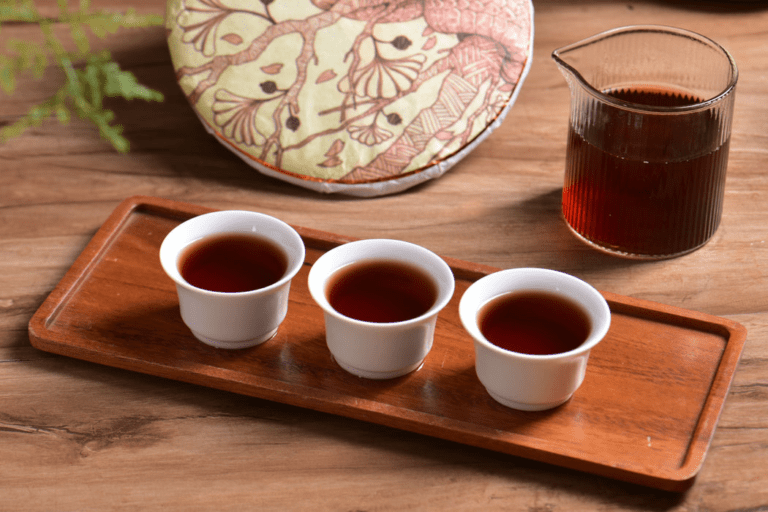
Shou Pu-erh Tea Guide: Taste, Fermentation, and Brewing
Introduction Shou Pu-erh, also known as Ripe Pu-erh tea, is one of...
Sheng Pu-erh Tea Guide: Flavor, Aging, and Brewing
Introduction Among all Chinese teas, Sheng Pu-erh (Raw Pu-erh) is one of...