Sheng Pu-erh Tea Guide: Flavor, Aging, and Brewing
Introduction
Among all Chinese teas, Sheng Pu-erh (Raw Pu-erh) is one of the most fascinating and complex. Unlike most teas that are meant to be consumed shortly after production, Sheng Pu-erh evolves over time. With proper aging, its flavor can transform dramatically over years or even decades.
Originating from Yunnan Province in China, Sheng Pu-erh is deeply connected to tea history, trade routes, and traditional fermentation practices. Today, it is widely appreciated by tea enthusiasts around the world for its vibrant flavors, aging potential, and unique character.
In this guide, we will explore:
- What Sheng Pu-erh tea is
- How it is produced
- What it tastes like
- How it changes with age
- The best ways to brew it
Whether you are new to Pu-erh or already exploring Chinese teas, understanding Sheng Pu-erh opens the door to one of the richest traditions in tea culture.
What Is Sheng Pu-erh Tea?
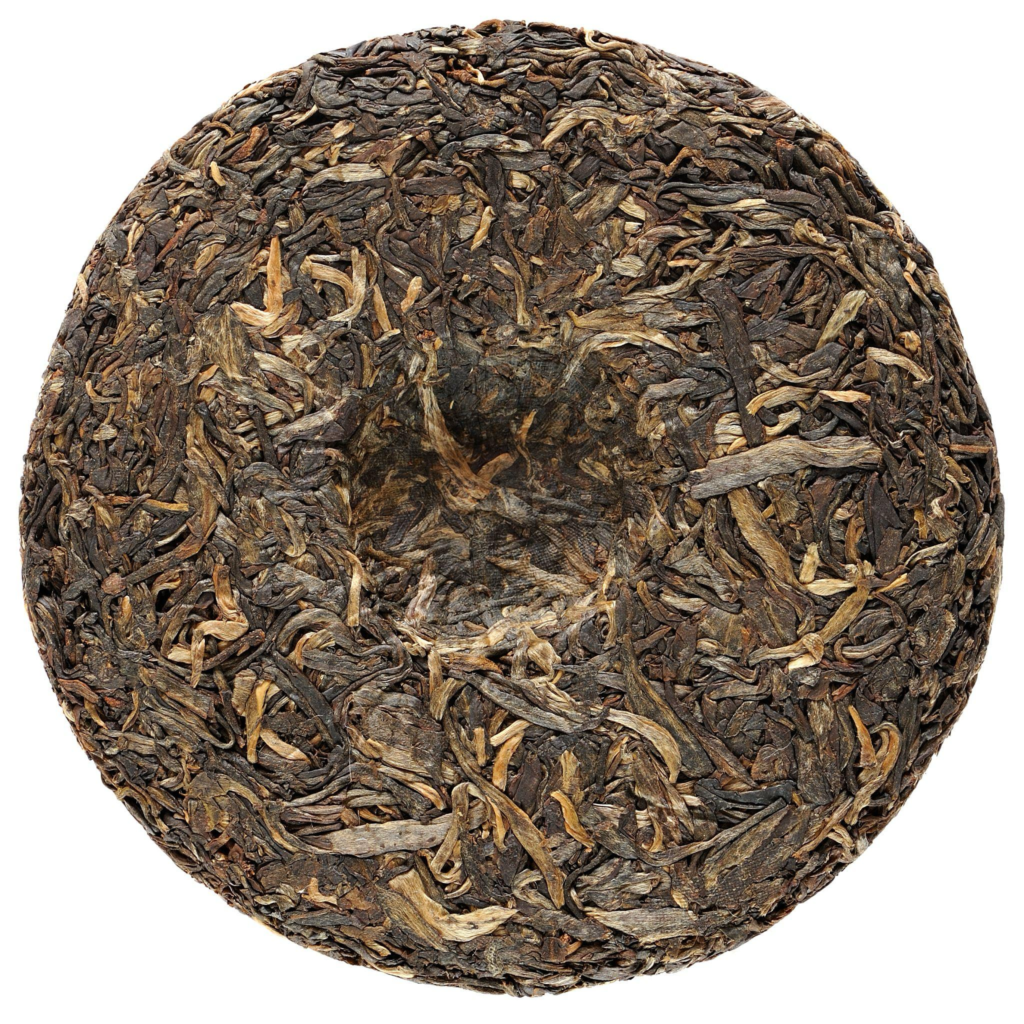
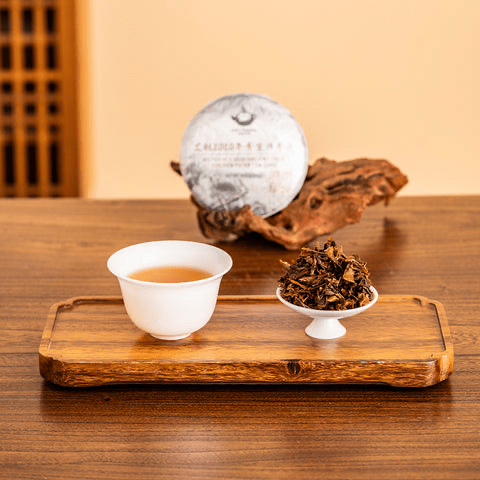
Sheng Pu-erh (生普洱), also known as Raw Pu-erh, is a type of tea made from the leaves of the Camellia sinensis var. assamica plant grown primarily in Yunnan.
Unlike Shou Pu-erh (Ripe Pu-erh), Sheng Pu-erh is not artificially fermented. Instead, it undergoes a natural aging process over time.
Fresh Sheng Pu-erh behaves somewhat like green tea, but as it ages it gradually develops deeper, more complex flavors.
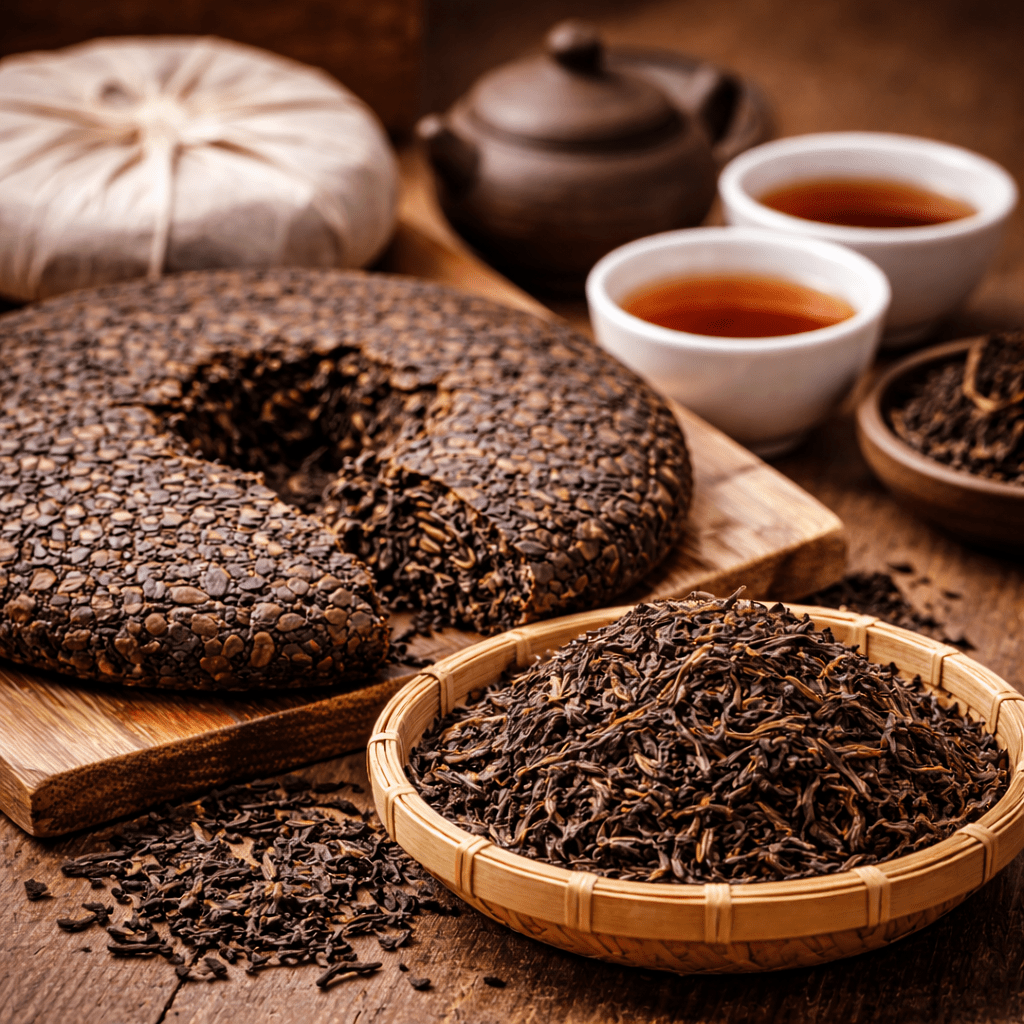
The tea is usually compressed into different shapes, including:
- Tea cakes (bingcha)
- Tea bricks (zhuancha)
- Tuocha (bowl-shaped tea)
- Loose leaf
This compression helps the tea age slowly and evenly.
How Sheng Pu-erh Is Made
The production of Sheng Pu-erh follows a traditional process that has been used for centuries.
1. Harvesting
Tea leaves are picked from large-leaf tea trees in Yunnan. Many high-quality Sheng Pu-erh teas come from ancient tea trees, sometimes hundreds of years old.
2. Withering
Fresh leaves are spread out to reduce moisture and soften the leaves.
3. Kill-Green (Shaqing)
The leaves are heated in a wok to stop oxidation. This step preserves the tea’s natural freshness.
4. Rolling
Leaves are rolled to release juices and shape the leaves.
5. Sun Drying
The leaves are dried naturally under sunlight, creating a base tea called Maocha.
6. Compression
The dried leaves are steamed and compressed into cakes or other shapes.
At this stage, the tea is considered young Sheng Pu-erh.
Flavor Profile of Sheng Pu-erh
The flavor of Sheng Pu-erh can vary widely depending on:
- age
- terroir
- tree variety
- storage conditions
Young Sheng Pu-erh (1–5 years)
Young Sheng Pu-erh is often:
- bright
- vegetal
- floral
- slightly bitter
Flavor notes may include:
- fresh grass
- green apple
- wild herbs
- honey
- citrus
The bitterness can transform into a pleasant sweet aftertaste known as “hui gan.”
Aged Sheng Pu-erh (10+ years)
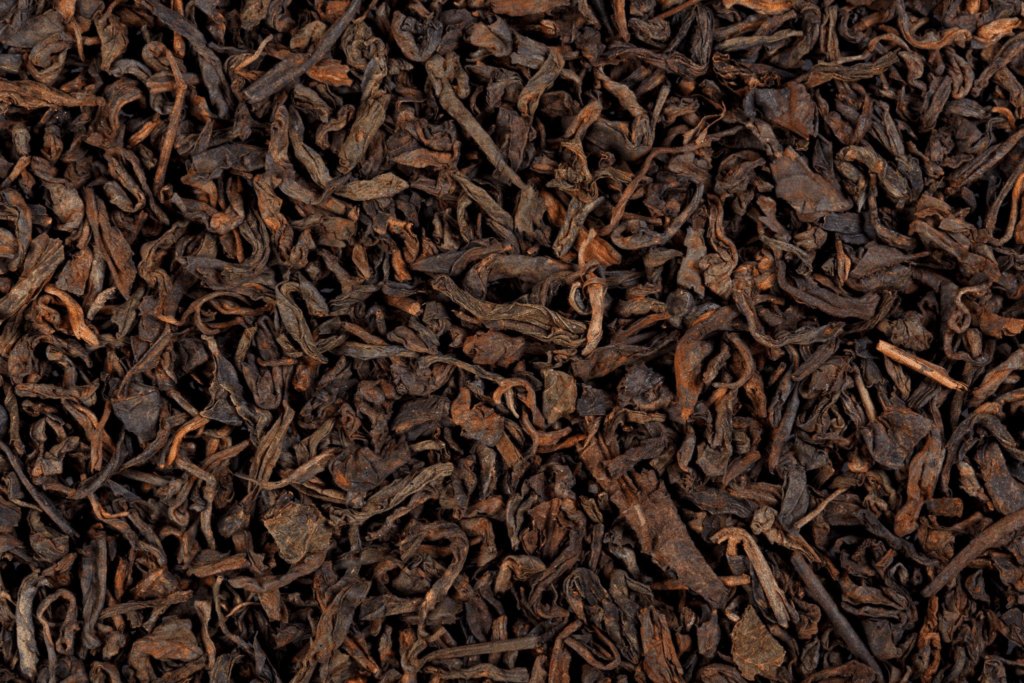
As Sheng Pu-erh ages, its character becomes much deeper.
Common flavor notes include:
- dried fruit
- wood
- camphor
- earth
- honey
- medicinal herbs
The tea becomes smoother and less bitter, with a richer body.
Why Sheng Pu-erh Ages So Well
Sheng Pu-erh is famous for its aging potential.
Over time, microbial activity and slow oxidation gradually transform the tea.
The aging process can take many years.
Some collectors store Pu-erh cakes for:
- 10 years
- 20 years
- even 50+ years
This transformation is one reason Pu-erh is sometimes compared to fine wine.
How to Brew Sheng Pu-erh Tea
Brewing Sheng Pu-erh properly allows you to experience its full complexity.
Gongfu Brewing Method
This traditional Chinese method is the best way to brew Pu-erh.
Steps
- Warm the teaware
- Add tea leaves
- Rinse the leaves briefly
- Steep for short infusions
Recommended Brewing Parameters
Tea amount
5–7 grams
Water temperature
90–100°C (194–212°F)
Steeping time
1st infusion: 10 seconds
Later infusions: gradually increase
Sheng Pu-erh can often be brewed 8–12 times.
Sheng Pu-erh vs Shou Pu-erh
Understanding the difference helps tea drinkers choose what they prefer.
| Sheng Pu-erh | Shou Pu-erh |
|---|---|
| Naturally aged | Artificial fermentation |
| Lighter color | Dark color |
| Brighter flavor | Earthy flavor |
| Ages slowly | Ready to drink sooner |
If you want to explore this comparison further, see our guide to Raw vs Ripe Pu-erh.
How to Store Sheng Pu-erh
Storage conditions affect how Sheng Pu-erh develops.
Ideal conditions include:
- moderate humidity
- airflow
- stable temperature
- no strong odors
Avoid:
- sealed plastic containers
- excessive moisture
- direct sunlight
Many tea collectors store Pu-erh in paper wrappers or clay jars.
Is Sheng Pu-erh Good for Beginners?
Yes — but beginners may prefer slightly aged Sheng Pu-erh.
Very young Sheng Pu-erh can be strong and bitter.
Aged Sheng Pu-erh is often:
- smoother
- sweeter
- more balanced
Starting with teas that are 5–10 years old can be a great introduction.
Final Thoughts
Sheng Pu-erh is one of the most unique teas in the world.
Its ability to evolve over time makes it more than just a beverage — it becomes a living tea that develops character with age.
From its bright youthful flavors to its deep aged complexity, Sheng Pu-erh offers an experience that few other teas can match.
For tea lovers interested in exploring traditional Chinese tea culture, Sheng Pu-erh is an unforgettable journey.
Continue the Journey
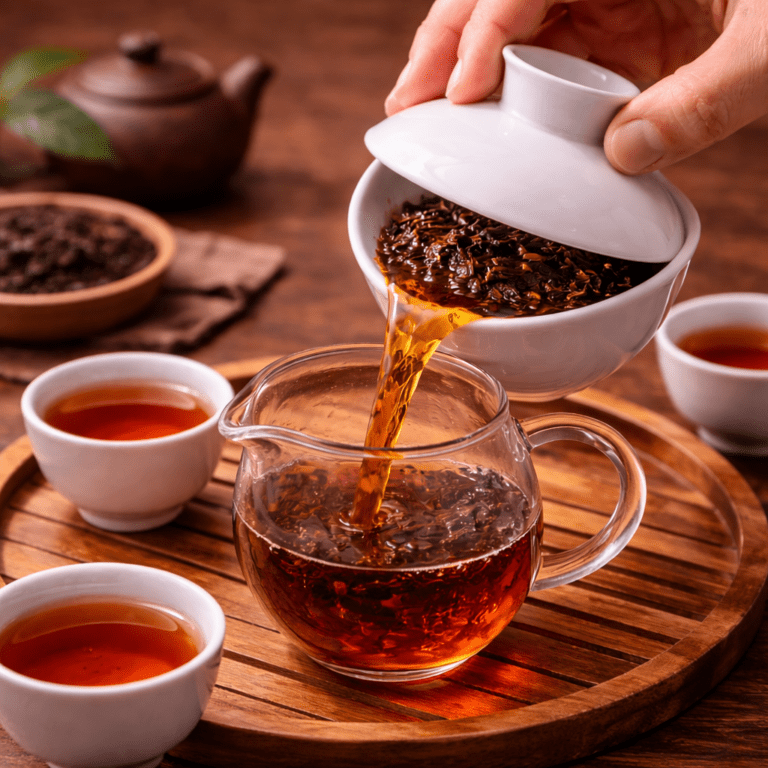
How to Brew Pu-erh Tea Properly: Temperature, Rinsing, and Traditional Brewing Methods
Pu-erh tea is one of the most unique teas in the world....
Shou Pu-erh Tea Guide: Taste, Fermentation, and Brewing
Introduction Shou Pu-erh, also known as Ripe Pu-erh tea, is one of...
No Image
Raw vs Ripe Pu-erh: Understanding the Difference
Introduction Pu-erh tea is one of the most fascinating teas in the...