Shou Pu-erh Tea Guide: Taste, Fermentation, and Brewing
Introduction
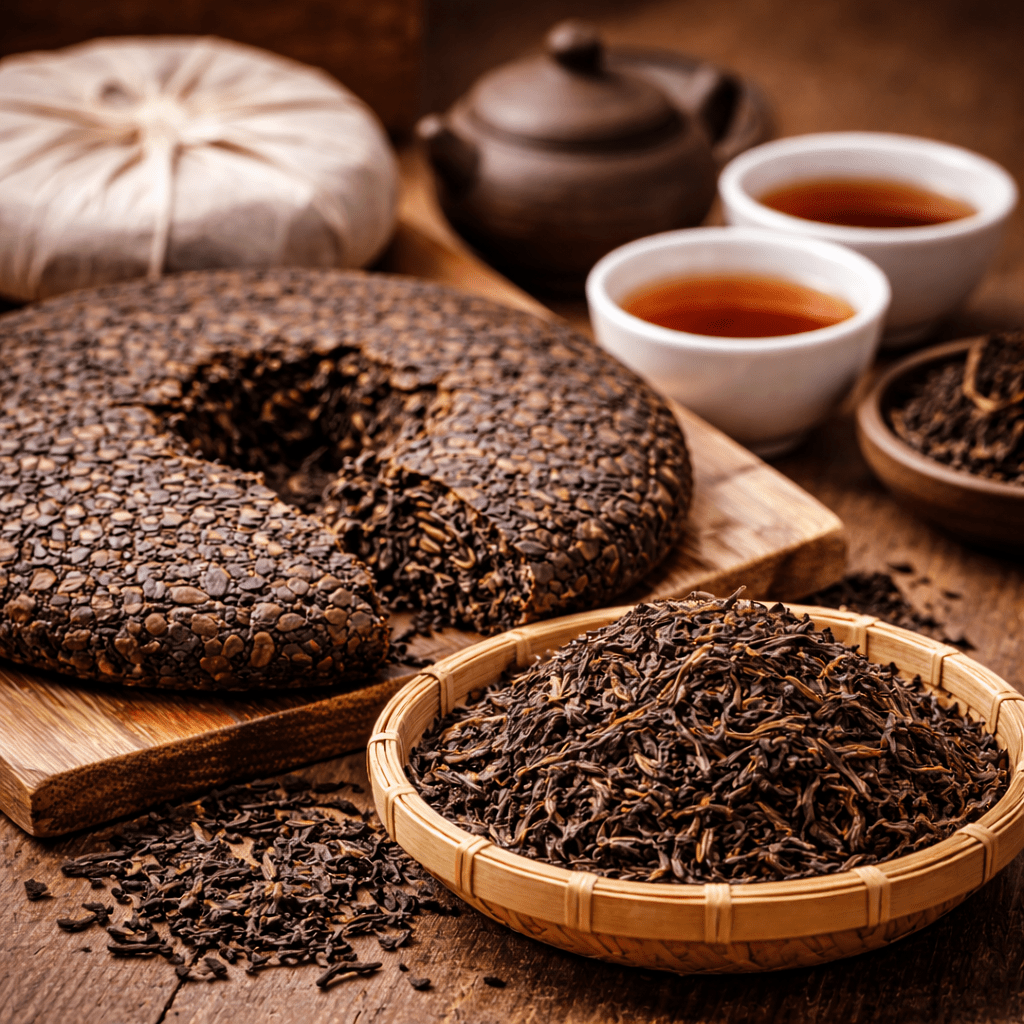
Shou Pu-erh, also known as Ripe Pu-erh tea, is one of the most distinctive teas in the world. Originating from Yunnan Province in China, this tea is known for its deep color, smooth texture, and earthy flavor.
Unlike most teas that rely only on oxidation, Shou Pu-erh undergoes a controlled fermentation process that transforms the tea leaves dramatically. This process produces a rich, dark tea that is mellow, smooth, and often easier for beginners to enjoy than raw Pu-erh.
Today, Shou Pu-erh is enjoyed worldwide for its unique flavor profile and its connection to traditional Chinese tea culture.
In this guide, we will explore:
- what Shou Pu-erh tea is
- how it is produced
- how it tastes
- how it differs from Sheng Pu-erh
- the best way to brew it
What Is Shou Pu-erh Tea?
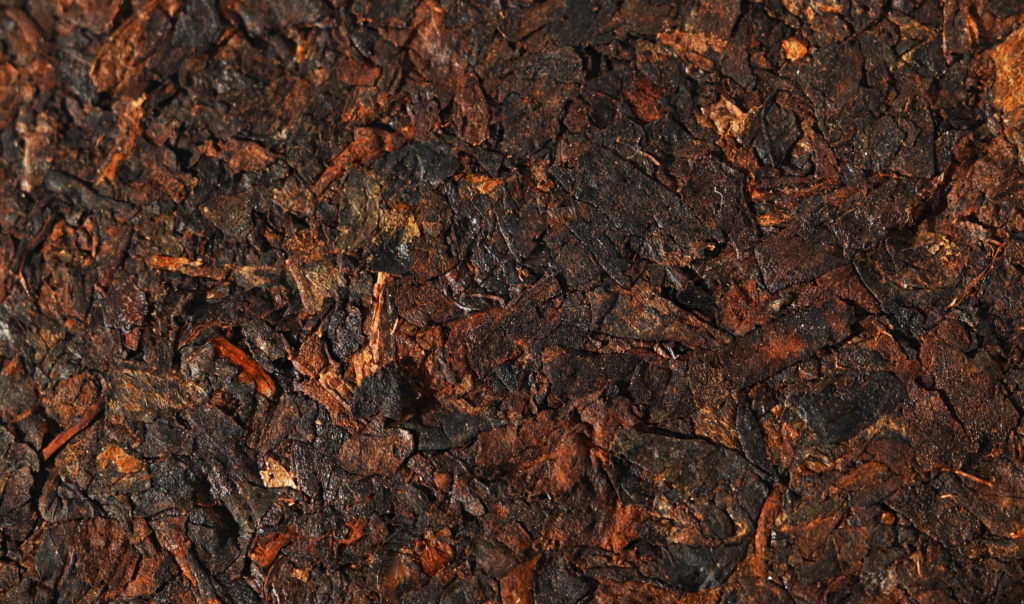
Shou Pu-erh (熟普洱) is a post-fermented tea made from large-leaf tea trees in Yunnan.
The tea undergoes a special fermentation process known as Wo Dui (wet piling). This process was developed in the 1970s to replicate the flavor of aged raw Pu-erh more quickly.
During fermentation:
- tea leaves are piled together
- moisture and heat are controlled
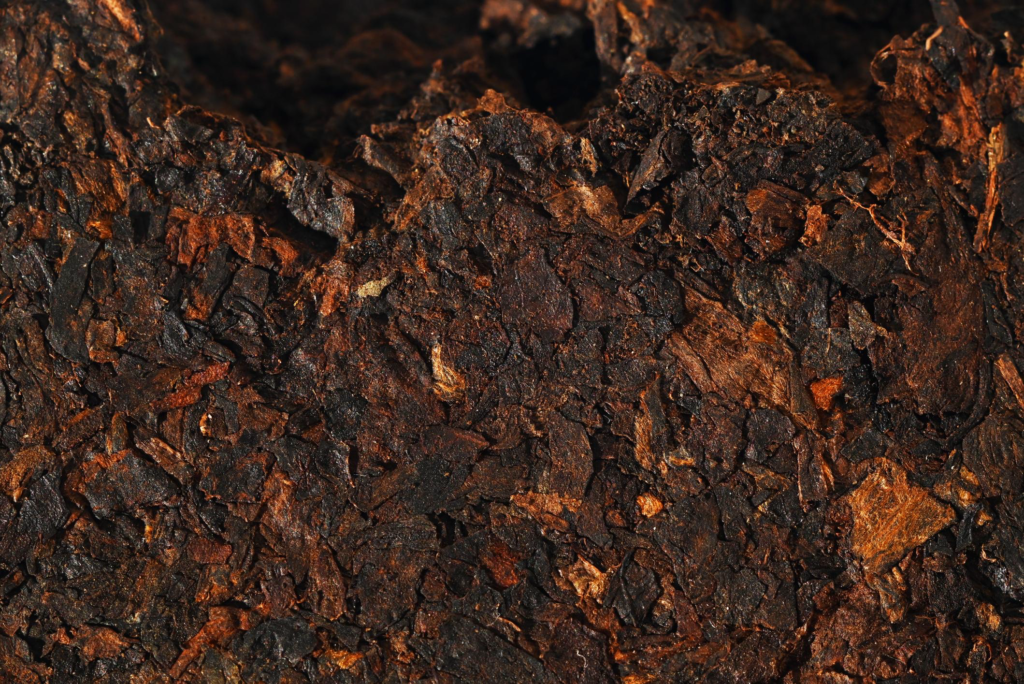
- microbial activity transforms the leaves
This process gives Shou Pu-erh its signature characteristics:
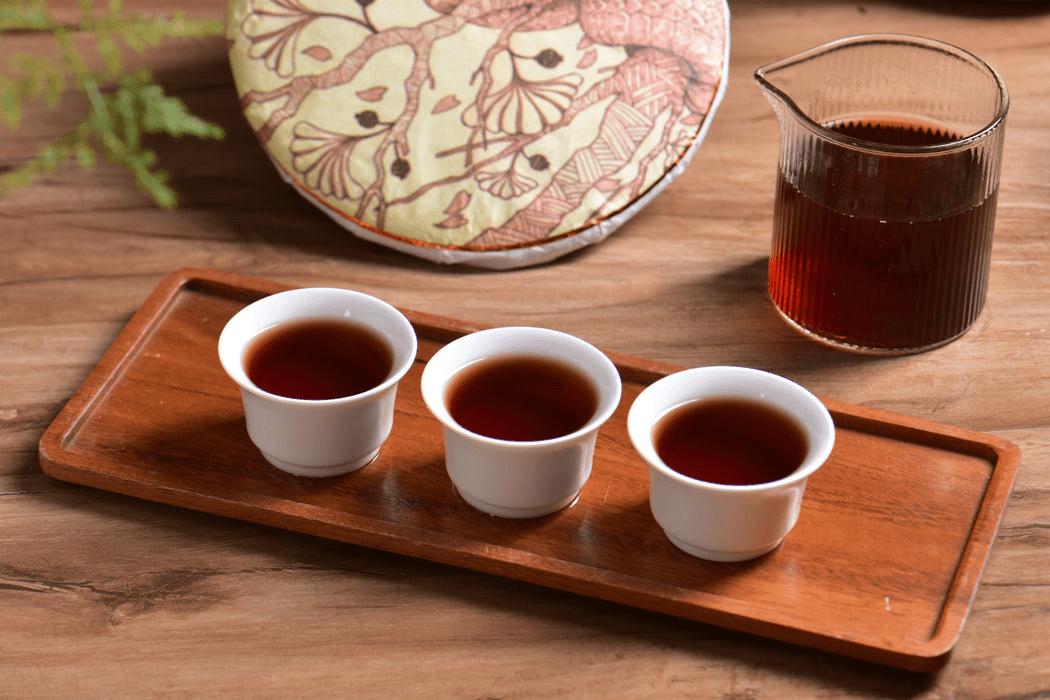
- dark tea liquor
- earthy flavor
- smooth texture
- low bitterness
How Shou Pu-erh Is Made
The production of Shou Pu-erh begins similarly to Sheng Pu-erh, but the key difference lies in the fermentation stage.
Step 1 — Harvesting
Leaves are picked from Yunnan large-leaf tea trees.
Many high-quality Pu-erh teas come from:
- ancient tea trees
- mountain tea gardens
Step 2 — Withering
Fresh leaves are spread out to remove excess moisture.
This prepares the leaves for further processing.
Step 3 — Kill Green
The leaves are heated to stop enzymatic oxidation.
This step preserves the natural character of the tea.
Step 4 — Rolling
Leaves are rolled to release juices and shape the tea.
Step 5 — Sun Drying
The leaves are dried in sunlight to produce Maocha, the base tea.
Step 6 — Wet Piling Fermentation
This is the defining step for Shou Pu-erh.
The leaves are:
- piled in large heaps
- moistened
- turned regularly
Microorganisms gradually ferment the leaves.
This process can take several weeks to months.
Flavor Profile of Shou Pu-erh
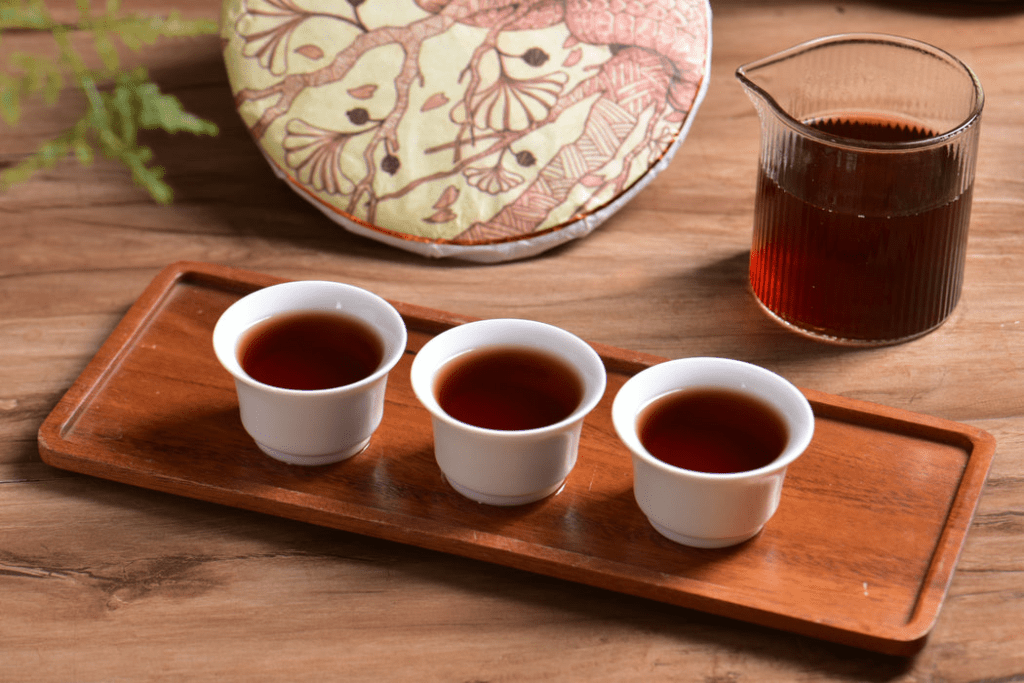
Shou Pu-erh has one of the most recognizable flavor profiles among teas.
Common flavor notes include:
- earth
- wood
- cocoa
- dried fruit
- mushrooms
- nuts
Well-aged Shou Pu-erh can develop a silky smooth texture with almost no bitterness.
Because of its mellow character, many tea drinkers find it easier to enjoy than young Sheng Pu-erh.
Shou Pu-erh vs Sheng Pu-erh
Understanding the difference between the two types of Pu-erh helps tea drinkers choose what suits their taste.
| Sheng Pu-erh | Shou Pu-erh |
|---|---|
| naturally aged | artificially fermented |
| brighter flavor | earthy flavor |
| lighter liquor | dark liquor |
| stronger bitterness | smoother taste |
If you want to explore this topic further, see our guide on Raw vs Ripe Pu-erh.
Health and Digestive Benefits
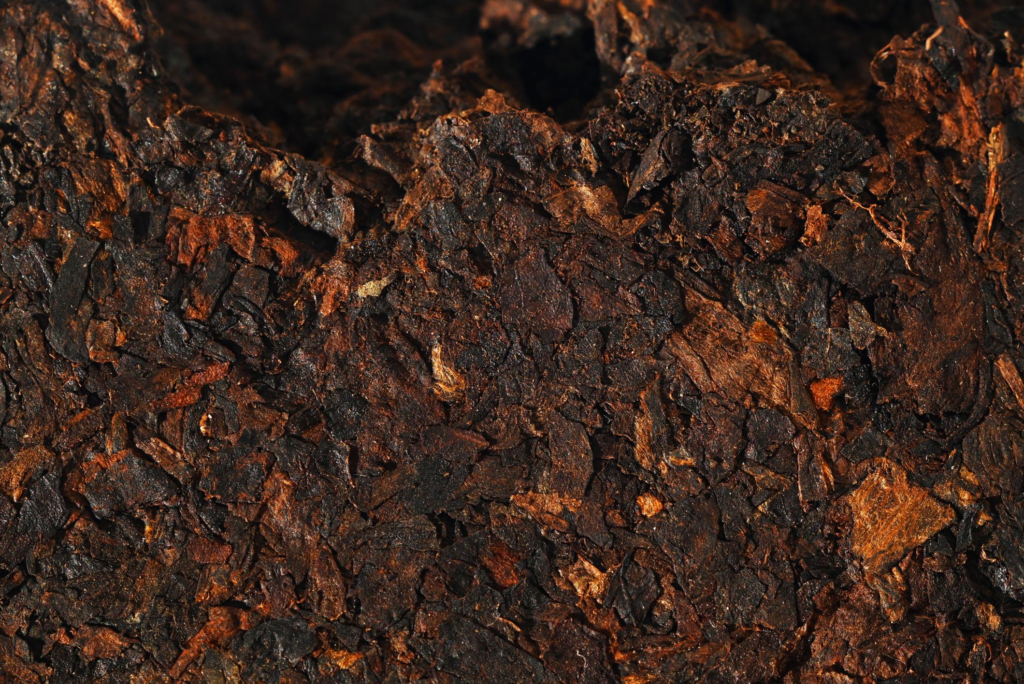
Shou Pu-erh is often associated with digestive comfort.
Many tea drinkers prefer to drink it:
- after meals
- during colder weather
- in the evening
Some studies suggest that fermented teas may support:
- digestion
- gut microbiota
- metabolism
While tea is not medicine, Shou Pu-erh is widely appreciated for its gentle and warming qualities.
How to Brew Shou Pu-erh Tea
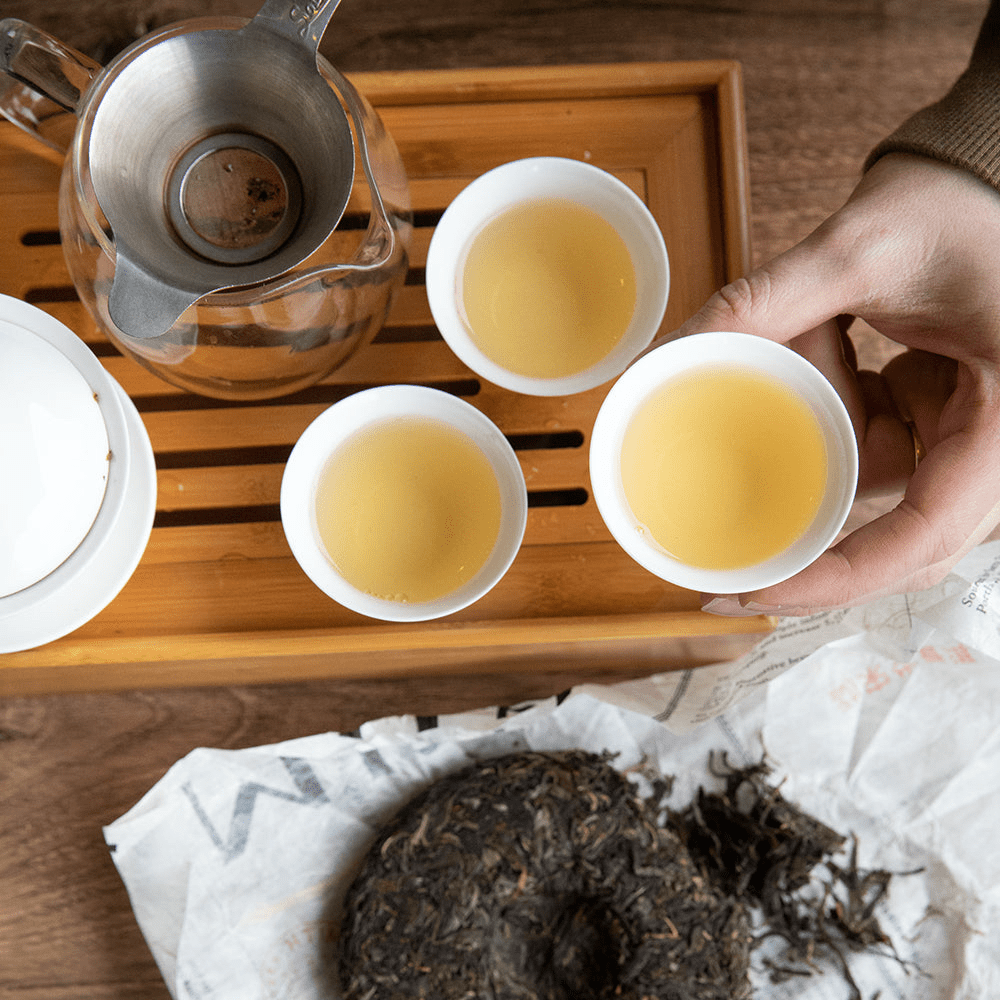
The best way to brew Shou Pu-erh is with the Gongfu brewing method.
Recommended parameters
Tea amount
5–7 grams
Water temperature
95–100°C
Steeping time
1st infusion — 10 seconds
Later infusions — increase gradually
Shou Pu-erh can usually be brewed 8–12 times.
How to Store Shou Pu-erh
Proper storage helps preserve the flavor of Pu-erh tea.
Ideal conditions include:
- moderate humidity
- good airflow
- stable temperature
- protection from strong odors
Avoid storing tea in:
- sealed plastic containers
- damp environments
- direct sunlight
Final Thoughts
Shou Pu-erh is one of the most approachable Chinese teas.
Its smooth texture, rich flavor, and digestive comfort make it a favorite among tea drinkers around the world.
Whether you are new to Pu-erh or expanding your tea journey, Shou Pu-erh offers a warm and deeply satisfying experience.
Continue the Journey
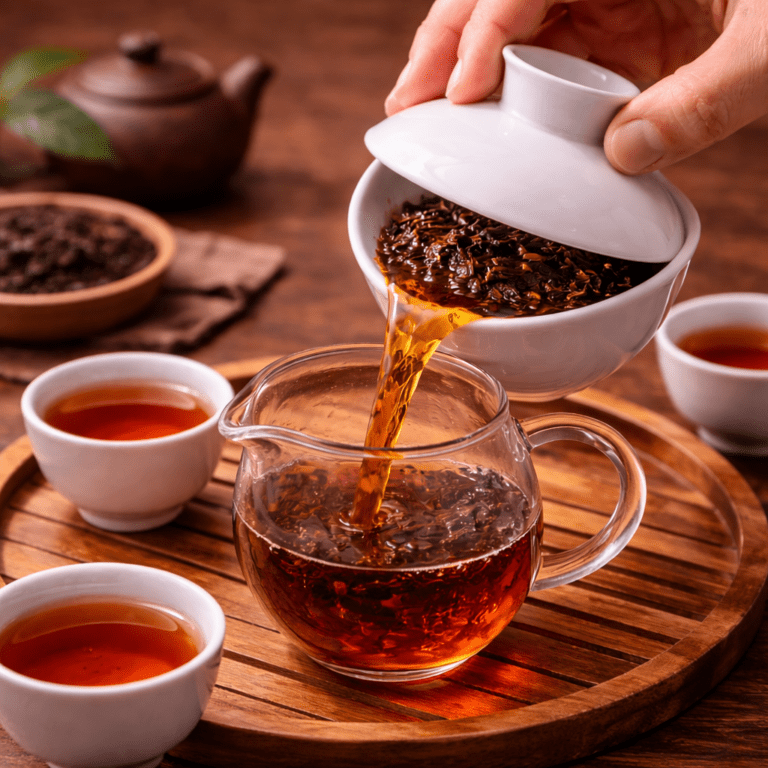
How to Brew Pu-erh Tea Properly: Temperature, Rinsing, and Traditional Brewing Methods
Pu-erh tea is one of the most unique teas in the world....
Sheng Pu-erh Tea Guide: Flavor, Aging, and Brewing
Introduction Among all Chinese teas, Sheng Pu-erh (Raw Pu-erh) is one of...
No Image
Raw vs Ripe Pu-erh: Understanding the Difference
Introduction Pu-erh tea is one of the most fascinating teas in the...