Anji White Tea Explained: Flavor, History, and Brewing Guide
Introduction
Anji White Tea, known in Chinese as Anji Bai Cha (安吉白茶), is one of the most unique and fascinating teas in China. Despite its name, Anji White Tea is not actually a white tea but a green tea. The name refers to the pale color of the young tea leaves rather than the processing method.
This tea originates from Anji County in Zhejiang Province, a region famous for producing high-quality Chinese green teas. Anji White Tea is especially prized for its delicate flavor, elegant appearance, and high concentration of amino acids, which contribute to its smooth and refreshing taste.
Because of its rarity and refined character, Anji White Tea has become increasingly popular among tea enthusiasts around the world.
In this comprehensive guide, we will explore everything you need to know about Anji White Tea, including:
- the origin of Anji White Tea
- why it is called “white tea” despite being a green tea
- how it is produced
- its flavor characteristics
- the best brewing methods
- how to recognize high-quality Anji White Tea
By the end of this guide, you will understand why this tea is considered one of the most elegant Chinese green teas.
What Is Anji White Tea
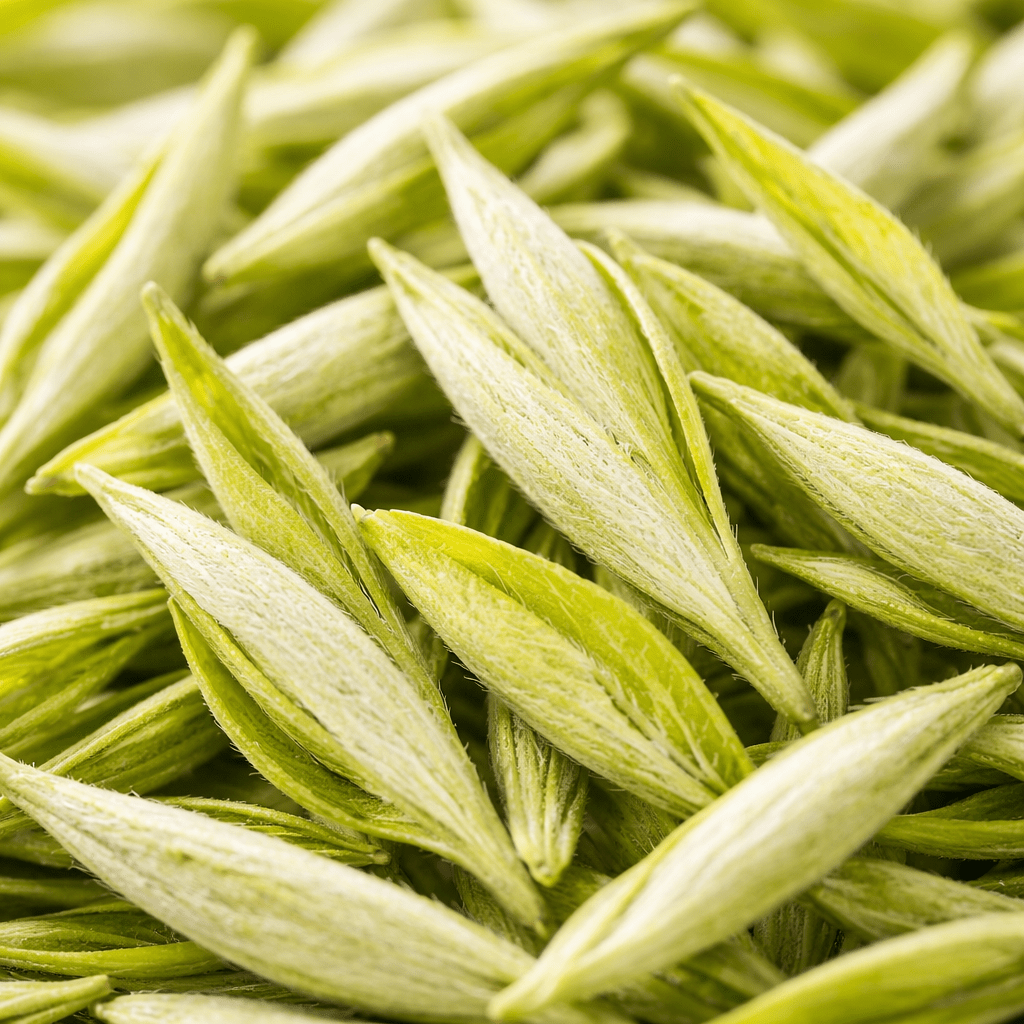
Anji White Tea is a green tea made from a special tea cultivar that naturally produces pale-colored leaves in early spring.
The name “white tea” comes from the color of the young buds, which appear light green or slightly yellowish.
Unlike traditional green teas, the leaves of the Anji tea plant contain unusually high levels of amino acids. This chemical composition gives the tea a soft, sweet, and umami-like taste.
Although the leaves appear pale, the tea is processed using standard green tea production techniques, which means the leaves are heated to stop oxidation shortly after harvest.
Origin of Anji White Tea
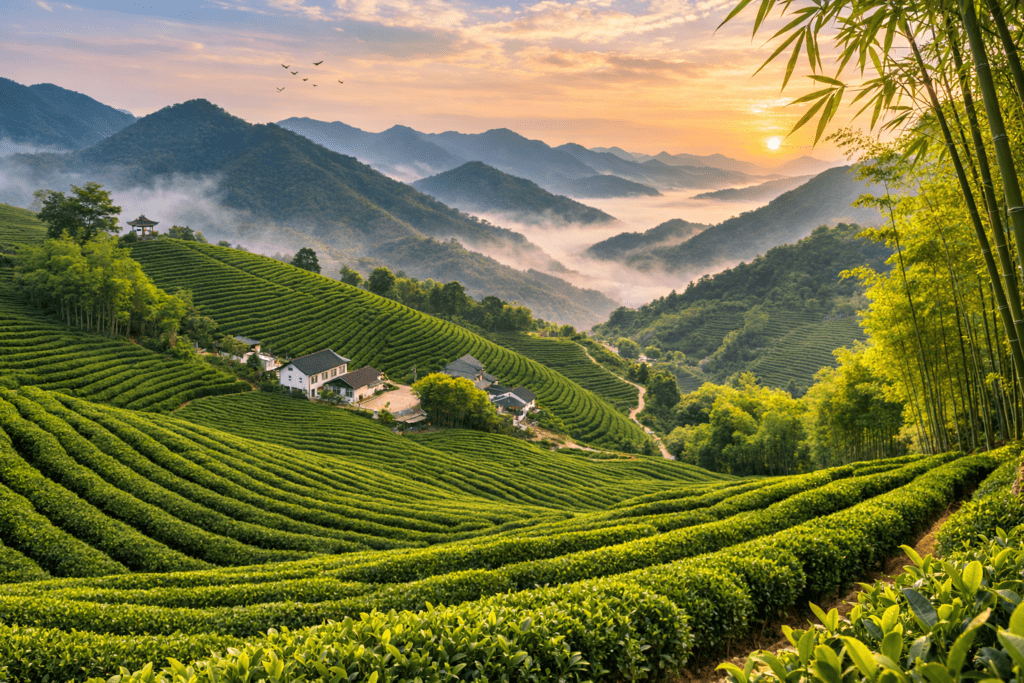
Anji White Tea is produced in Anji County, located in Zhejiang Province in eastern China.
This region is known for its beautiful mountain landscapes, cool climate, and abundant rainfall. These environmental conditions create an ideal habitat for tea cultivation.
The tea gardens of Anji are typically located in mountainous areas where the temperature remains relatively mild. Frequent mist and fertile soil allow the tea plants to develop complex flavors.
Anji County has become internationally recognized for this tea, and the name Anji Bai Cha has become closely associated with premium Chinese green tea.
Why Is It Called White Tea
One of the most confusing aspects of Anji White Tea is its name.
In the Chinese tea classification system, teas are categorized based on processing methods, not leaf color.
True white teas, such as Silver Needle or Bai Mudan, are produced through minimal processing that involves natural withering and drying.
Anji White Tea, however, undergoes:
- pan firing
- shaping
- drying
These steps place it firmly in the category of green tea.
The term “white tea” refers only to the pale color of the young leaves before processing.
Appearance of Anji White Tea
Anji White Tea is visually striking.
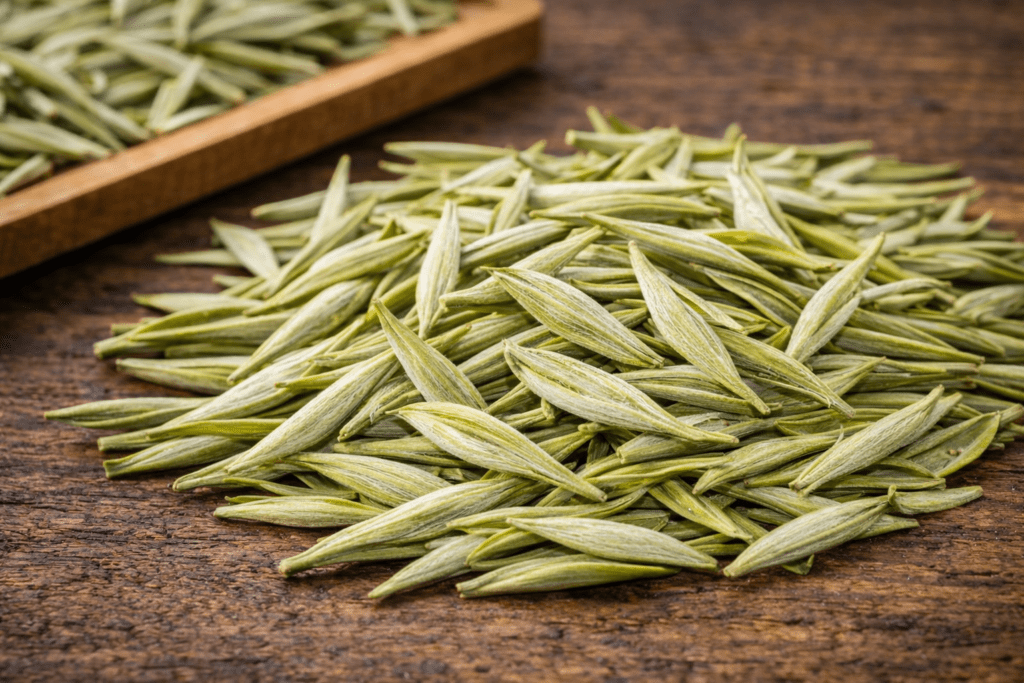
Dry leaves typically appear:
- long and straight
- flat and smooth
- pale green or jade colored
The leaves often resemble small bamboo blades.
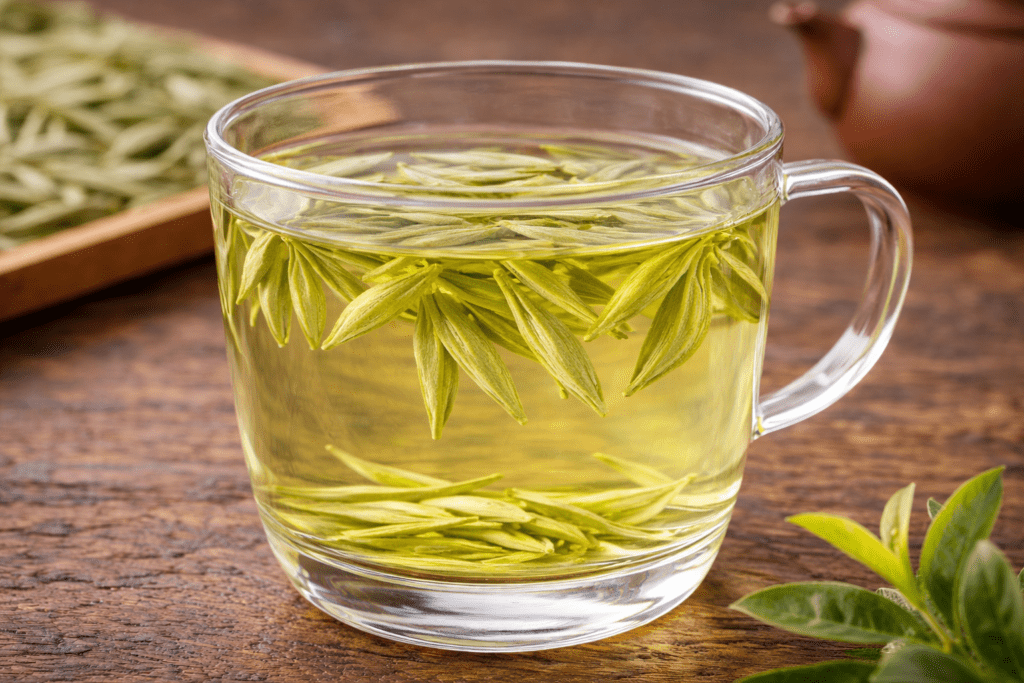
When brewed, the tea leaves gradually open and reveal their delicate shape.
Flavor Profile
Anji White Tea is famous for its smooth and refreshing taste.
Typical flavor characteristics include:
- light sweetness
- subtle vegetal notes
- gentle floral aroma
- soft umami flavor
Because the tea contains high levels of amino acids, it produces a rich yet delicate mouthfeel.
The tea liquor is usually clear and pale green, with a silky texture and lingering aftertaste.
How Anji White Tea Is Produced
The production of Anji White Tea follows traditional green tea processing techniques.
The main steps include:
Harvesting
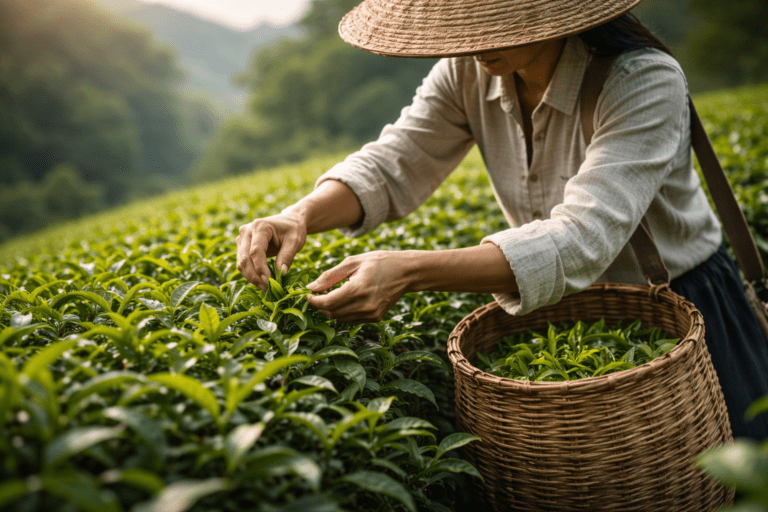
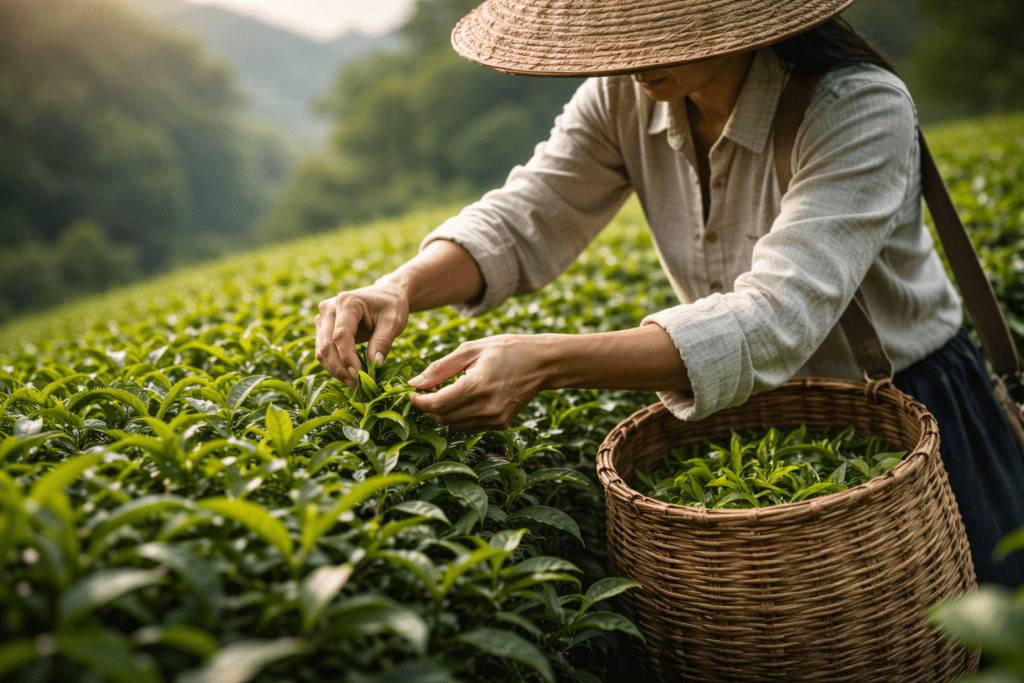
The tea is harvested early in spring when the leaves are young and tender.
Withering
Fresh leaves are briefly allowed to soften before further processing.
Pan Firing
The leaves are heated to halt oxidation and preserve their natural color.
Shaping
The leaves are carefully flattened during processing.
Drying
The final drying stage removes remaining moisture and stabilizes the tea.
This process preserves the tea’s fresh flavor and delicate aroma.
How to Brew Anji White Tea
To enjoy the best flavor, proper brewing is essential.
Tea Amount
Use approximately:
3 gramsper cup.
Water Temperature
Ideal brewing temperature:
80°CGreen tea should not be brewed with boiling water.
Steeping Time
Steep for:
1–2 minutesThe tea can usually be infused 2–3 times.
Many tea drinkers prefer using glass cups or gaiwan to fully appreciate the appearance of the leaves during brewing.
Health Benefits of Anji White Tea
Anji White Tea contains many natural compounds beneficial to health.
These include:
- catechins
- antioxidants
- amino acids
- moderate caffeine
Potential health benefits include:
- improved metabolism
- enhanced mental focus
- antioxidant protection
- digestive support
Because of its high amino acid content, Anji White Tea is often considered one of the most refreshing Chinese green teas.
How to Identify High Quality Anji White Tea
When selecting Anji White Tea, several indicators can help determine quality.
Dry Leaves
High-quality leaves should be:
- straight and uniform
- pale green in color
- free of broken pieces
Aroma
The tea should have a clean, fresh aroma.
Liquor
The brewed tea should appear:
- clear
- pale green
- bright and fresh
Cultural Significance
Anji White Tea has become one of the most famous modern Chinese teas. Its unique appearance and elegant flavor have made it popular among both domestic and international tea drinkers.
In recent decades, Anji Bai Cha has also become an important symbol of the tea culture of Zhejiang Province.
Conclusion
Anji White Tea is one of the most distinctive green teas in China. Despite its name, it is a green tea known for its pale leaves, smooth taste, and elegant aroma.
Its unique characteristics, combined with its beautiful origin in Anji County, make it a favorite among tea enthusiasts seeking a refined and refreshing tea experience.