Longjing Tea Explained: China’s Famous Dragon Well Tea
Introduction
Longjing tea, also known as Dragon Well tea, is one of the most famous green teas in the world. Originating from Hangzhou in Zhejiang Province, China, Longjing has been celebrated for centuries for its delicate flavor, flat leaf shape, and elegant aroma.
Among the many varieties of Chinese tea, Longjing holds a special status. It has been historically known as an imperial tribute tea, admired by emperors and scholars alike. Today it remains one of the most recognizable symbols of Chinese tea culture.
What makes Longjing unique is not only its taste but also the craftsmanship involved in producing it. From the early spring harvest to the traditional hand-roasting technique used to shape the leaves, every step contributes to the character of this remarkable tea.
In this guide, we will explore everything you need to know about Longjing tea, including:
- what Longjing tea is
- where it comes from
- how it is produced
- the different grades of Longjing
- how it tastes
- how to brew it properly
By the end of this article, you will understand why Longjing tea has remained one of the most respected teas in China for centuries.
What Is Longjing Tea
Longjing tea is a type of pan-fired green tea made from the leaves of the Camellia sinensis plant.
Unlike black tea or oolong tea, Longjing tea is not oxidized. After the leaves are harvested, they are quickly heated in a hot wok to stop oxidation. This process preserves the natural green color of the leaves and maintains their fresh flavor.
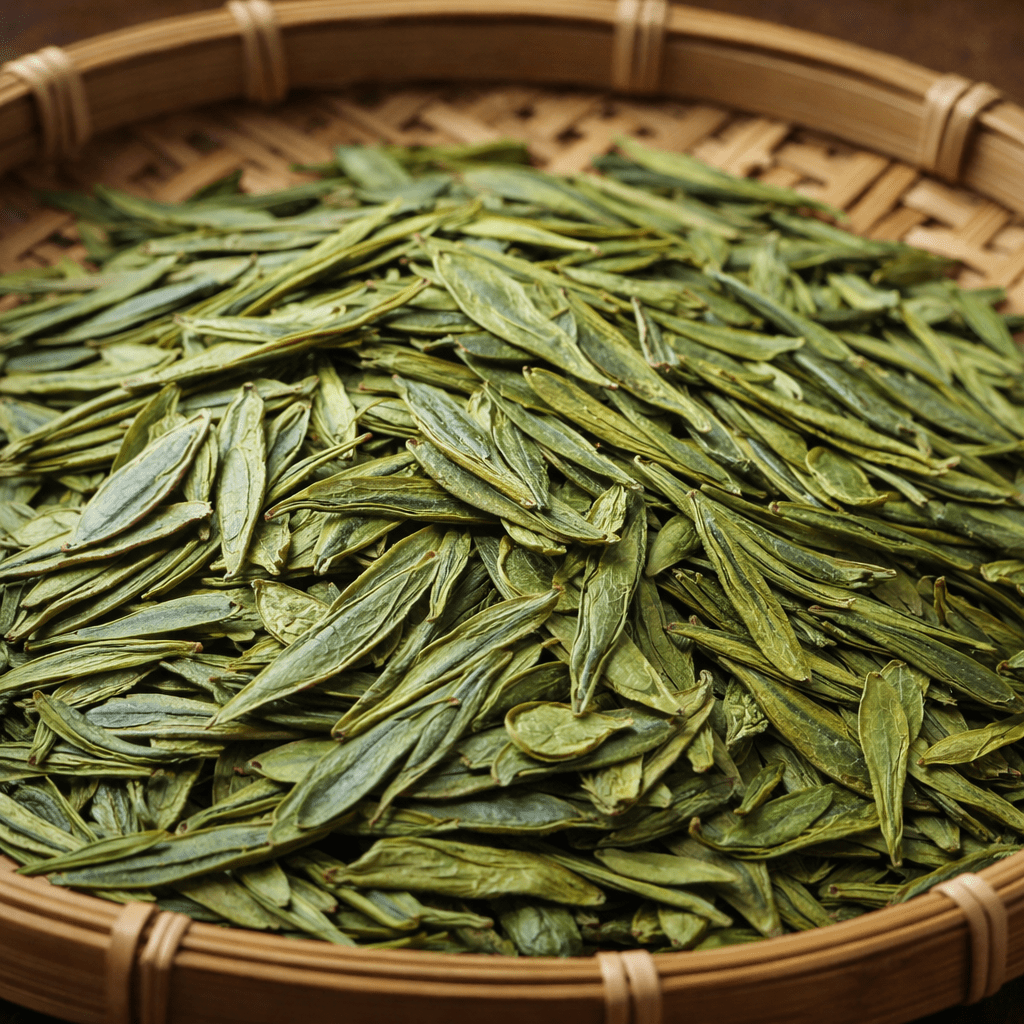
What distinguishes Longjing tea from many other green teas is its distinctive flat shape. During the roasting process, skilled tea masters press the leaves against the hot wok using their hands. This flattens the leaves and gives them their signature appearance.
Longjing tea is typically harvested in early spring, and the most prized teas come from the first harvest of the year.
These early harvest teas are known for their:
- tender buds
- delicate aroma
- smooth flavor
The Origin of Longjing Tea
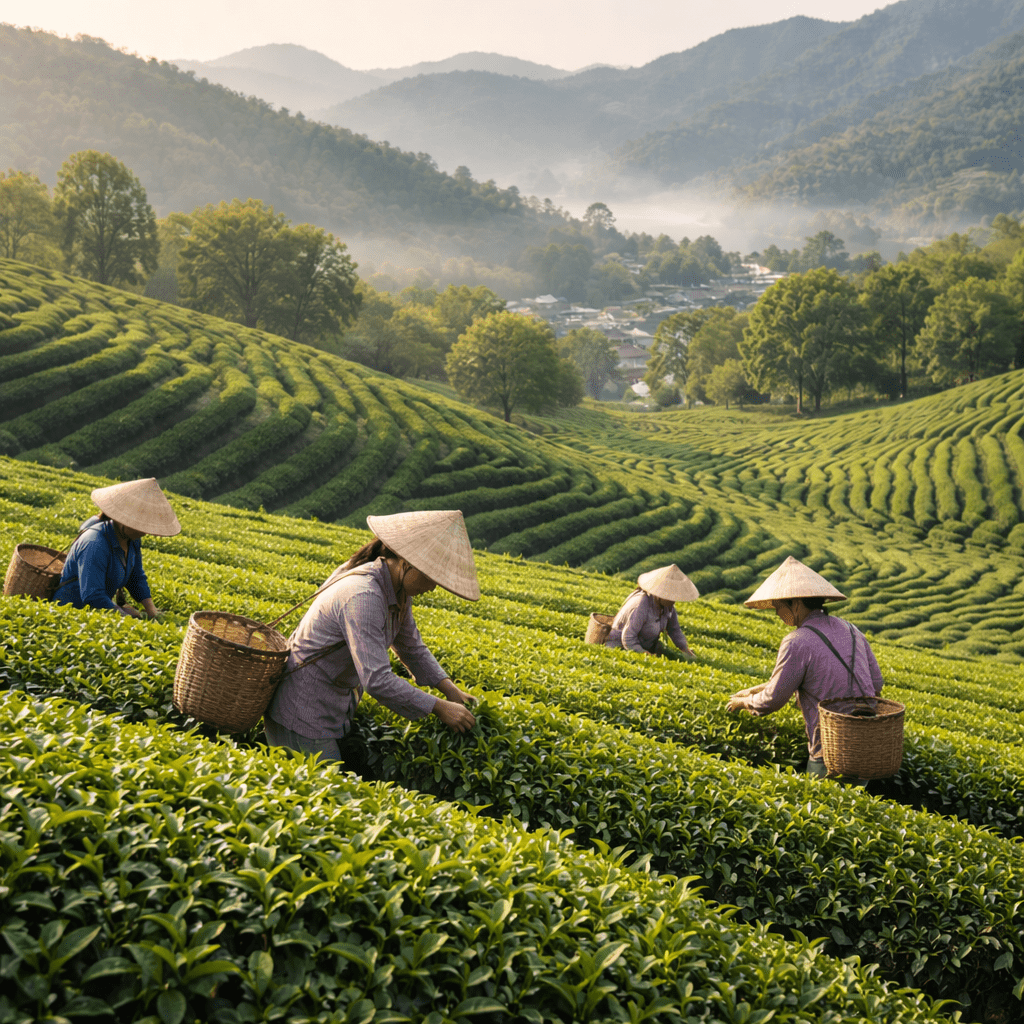
Longjing tea comes from the region around West Lake in Hangzhou, Zhejiang Province.
This area has been producing tea for over a thousand years. The combination of fertile soil, mild climate, and misty hills creates ideal conditions for growing high-quality tea leaves.
The name “Longjing” means Dragon Well, referring to a famous spring near West Lake. According to legend, the well was believed to be home to a dragon that controlled rainfall.
Because of its historical significance and exceptional quality, tea from the West Lake region is often considered the most authentic Longjing tea.
However, Longjing tea is also produced in other regions of Zhejiang Province today.
How Longjing Tea Is Made
The production of Longjing tea involves several carefully controlled steps. Each stage influences the final flavor and appearance of the tea.
Harvesting
The first step is harvesting the young tea shoots.
The most valuable Longjing teas use:
- one bud and one leaf
- one bud and two leaves
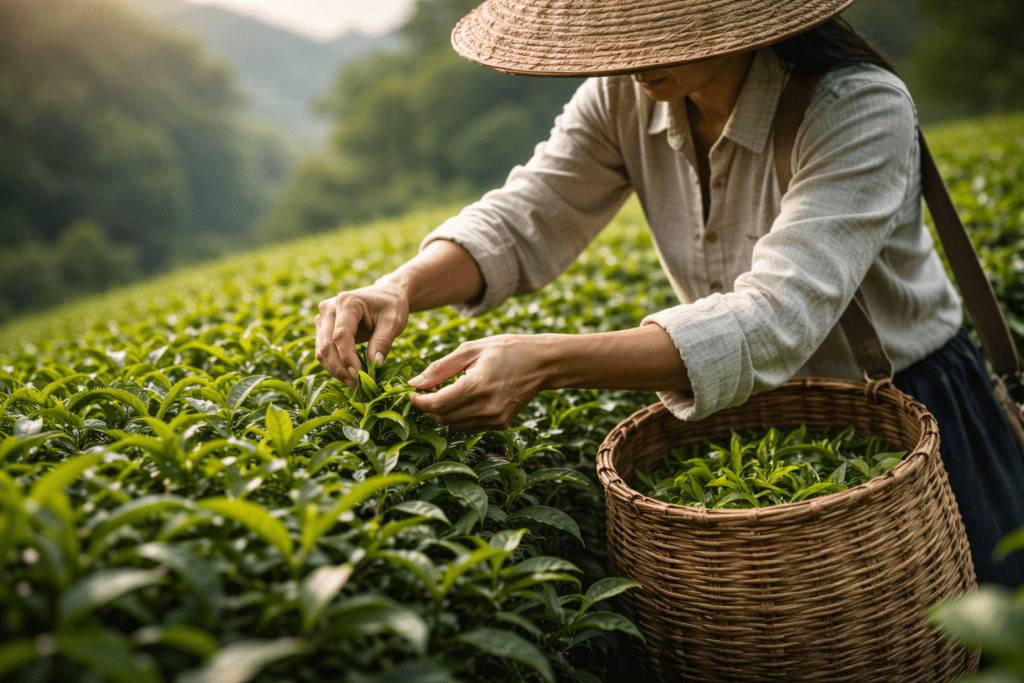
These tender leaves are picked by hand during early spring.
The earliest harvest is known as Pre-Qingming tea, referring to tea picked before the Qingming Festival in early April.
This tea is considered the highest grade.
Withering
After harvesting, the fresh leaves are spread out to wither slightly.
This step reduces moisture and prepares the leaves for roasting.
Pan Firing
The most important step in Longjing production is pan firing.
Tea masters roast the leaves in a hot wok and use a series of hand movements to shape them.
These movements include:
- pressing
- spreading
- shaking
- flattening
The roasting process stops oxidation while shaping the leaves into their characteristic flat form.
Drying
Finally, the tea is gently dried to remove any remaining moisture.
At this stage, the tea becomes stable enough for storage and transportation.
Grades of Longjing Tea
Longjing tea is classified into different grades depending on the harvest time and leaf quality.
The most famous grades include:
Pre-Qingming Longjing
This is the earliest harvest of the year.
It is known for:
- extremely tender leaves
- delicate aroma
- very smooth taste
Because of its limited quantity, this tea can be quite expensive.
Mingqian Longjing
This tea is harvested just before the Qingming Festival.
It is still considered very high quality but is slightly more affordable.
Yuqian Longjing
This tea is harvested after the Qingming Festival but before the Grain Rain solar term.
The flavor is slightly stronger and the leaves are larger.
What Does Longjing Tea Taste Like
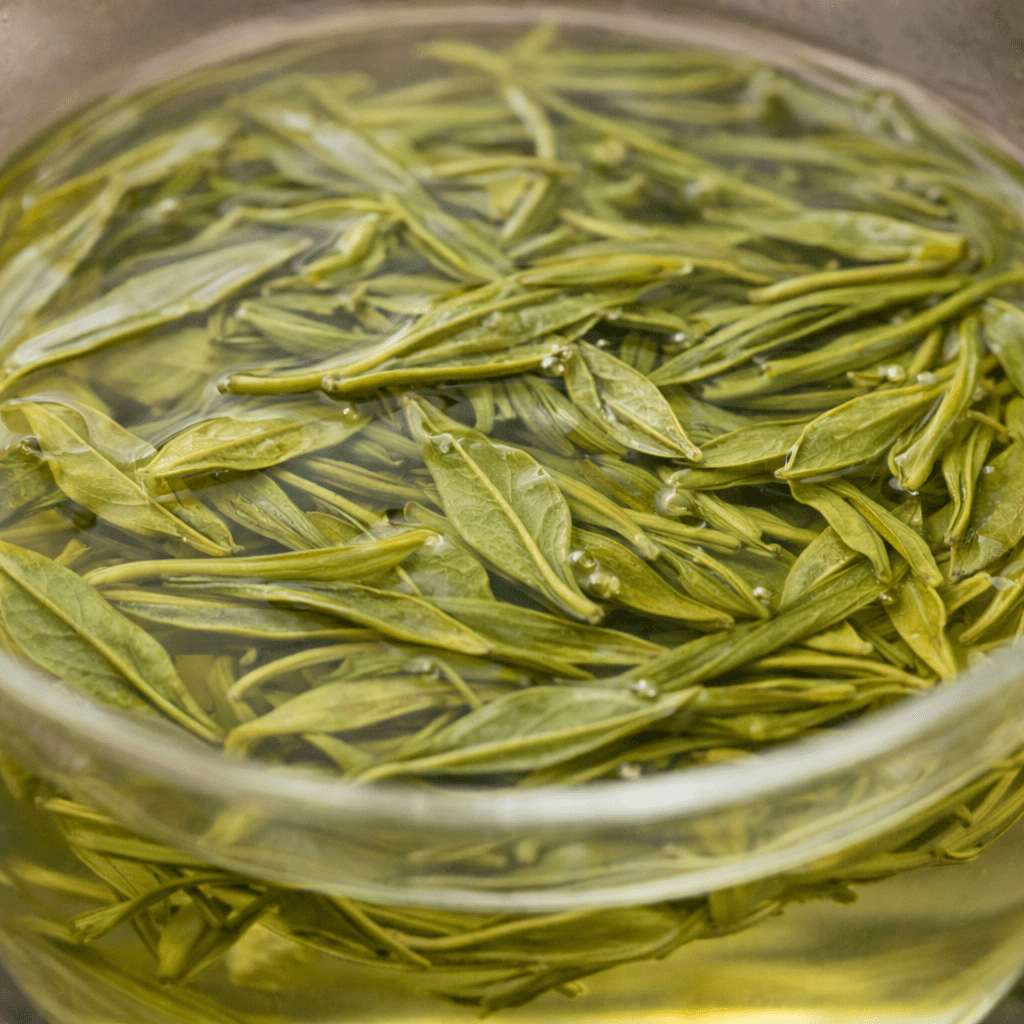
Longjing tea is famous for its balanced and refined flavor.
Unlike some green teas that taste grassy or bitter, Longjing has a smoother and more rounded taste.
Typical flavor notes include:
- roasted chestnut
- fresh vegetables
- gentle sweetness
- light floral aroma
High-quality Longjing tea often has a lingering sweetness that remains after swallowing.
This lingering sweetness is called hui gan in Chinese tea culture.
The mouthfeel is usually soft and smooth, making it a pleasant tea to drink throughout the day.
Health Benefits of Longjing Tea
Like other green teas, Longjing tea contains many natural compounds that are associated with health benefits.
These include:
- polyphenols
- catechins
- amino acids
- antioxidants
Some commonly discussed benefits include:
Antioxidant Support
Green tea is rich in catechins, which help protect cells from oxidative stress.
Mental Focus
Longjing tea contains both caffeine and L-theanine, a compound that may support calm concentration.
Many tea drinkers find the energy from green tea smoother than coffee.
Metabolic Support
Some studies suggest that green tea may help support metabolic activity.
While tea is not a medical treatment, it is often included as part of a healthy lifestyle.
How to Brew Longjing Tea Properly
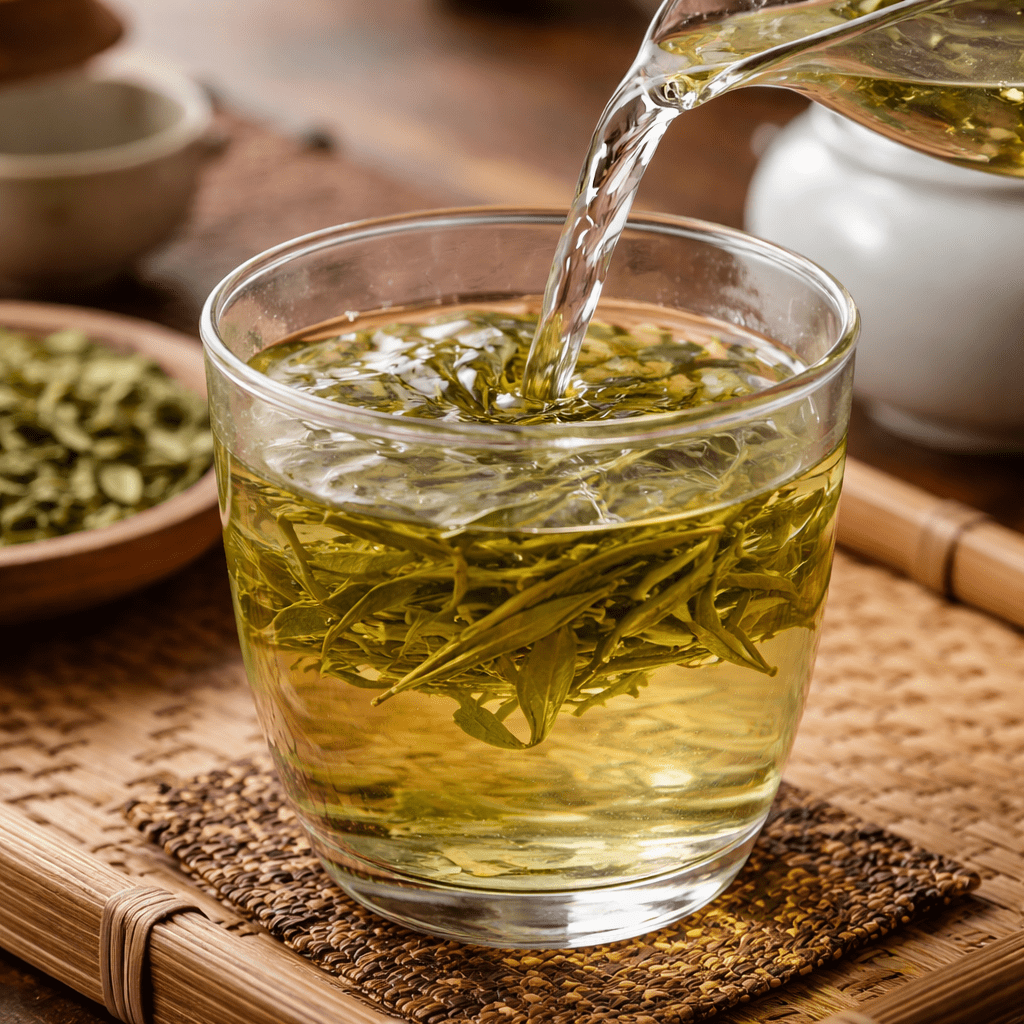
Brewing Longjing tea correctly is essential for enjoying its flavor.
Because green tea leaves are delicate, boiling water can easily damage them.
Water Temperature
Ideal temperature:
70°C – 85°C
Lower temperatures help preserve sweetness and reduce bitterness.
Tea Quantity
Typical ratio:
2–3 grams of tea
per 200 ml of water
Brewing Time
First infusion:
1–2 minutes
Later infusions:
increase slightly
High-quality Longjing tea can usually be brewed 2–3 times.
Glass Cup Brewing Method
One traditional way to brew Longjing tea is using a clear glass cup.
This method allows you to watch the tea leaves slowly unfold and sink in the water.
The visual experience is considered part of the enjoyment of drinking green tea.
How to Identify Authentic Longjing Tea
Because Longjing tea is so famous, many teas on the market use the name even if they are not produced in the traditional region.
Authentic Longjing tea typically has:
- flat, smooth leaves
- uniform color
- fresh chestnut aroma
High-quality Longjing tea also produces a clear, bright green liquor when brewed.
Longjing Tea in Chinese Culture
Longjing tea has been deeply connected with Chinese culture for centuries.
Historically, it was often served to scholars, poets, and officials.
The tea is frequently associated with the calm and elegant lifestyle of classical Chinese culture.
Even today, visitors to Hangzhou often travel to the tea villages around West Lake to experience traditional tea picking and roasting.
Drinking Longjing tea is not only about flavor but also about appreciating the beauty of nature and craftsmanship.
Final Thoughts
Longjing tea represents the essence of Chinese green tea tradition.
Its elegant aroma, smooth flavor, and historical significance have made it one of the most respected teas in the world.
Whether enjoyed in a quiet tea session or as part of daily life, Longjing tea offers a simple but deeply satisfying experience.
For many tea lovers, it serves as the perfect introduction to the richness of Chinese tea culture.
Continue the Journey
Huangshan Maofeng Tea Guide: Flavor, History, and Brewing
Introduction Among the many famous Chinese green teas, Huangshan Maofeng tea stands...
Biluochun Tea Guide: Flavor, History, and Brewing
Introduction Chinese green tea is famous around the world for its delicate...
Pu-erh Tea Explained: Raw vs Ripe, Taste, Benefits, and Brewing Guide
Pu-erh tea is one of the most unique and fascinating teas in...