Da Hong Pao Tea Guide: Origin, Flavor, and Brewing the Famous Rock Oolong
Da Hong Pao tea, often translated as Big Red Robe tea, is one of the most legendary teas in China. Known for its deep roasted flavor, mineral richness, and historical significance, Da Hong Pao belongs to the famous category of Wuyi Rock Oolong teas (Yancha).
Originating from the Wuyi Mountains in Fujian Province, Da Hong Pao has been cultivated for centuries and is widely regarded as one of the most prestigious Chinese teas.
In this guide, we will explore the history, terroir, flavor profile, processing methods, brewing techniques, and cultural significance of Da Hong Pao tea.
The Origin of Da Hong Pao Tea
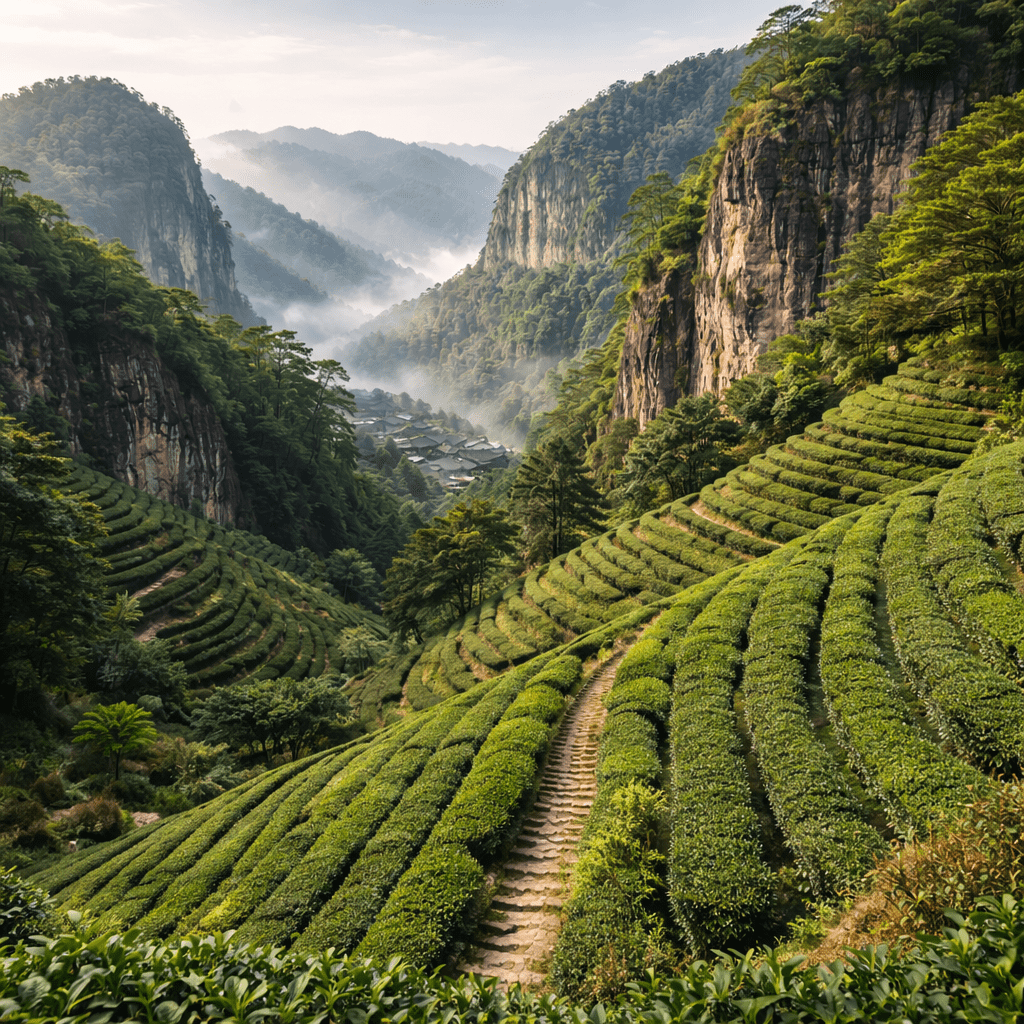
Da Hong Pao tea grows in the Wuyi Mountains, a UNESCO World Heritage region famous for its rocky cliffs and unique microclimate.
The region’s soil is rich in minerals, and the tea plants grow in narrow rock crevices along steep mountain slopes. Because of this environment, Wuyi teas are known as Yancha, meaning rock tea.
This rocky terroir gives Da Hong Pao its signature characteristic known as:
Yan Yun (岩韵)
often translated as rock rhyme.
This refers to the tea’s mineral-rich depth and lingering aftertaste.
The Legend of Da Hong Pao
Like many famous Chinese teas, Da Hong Pao is surrounded by legend.
According to historical stories from the Ming dynasty, a scholar traveling to the imperial examination fell ill near the Wuyi Mountains. Monks from a nearby temple brewed tea from a local tea bush and gave it to him.
After drinking the tea, the scholar recovered quickly and later passed the imperial exam.
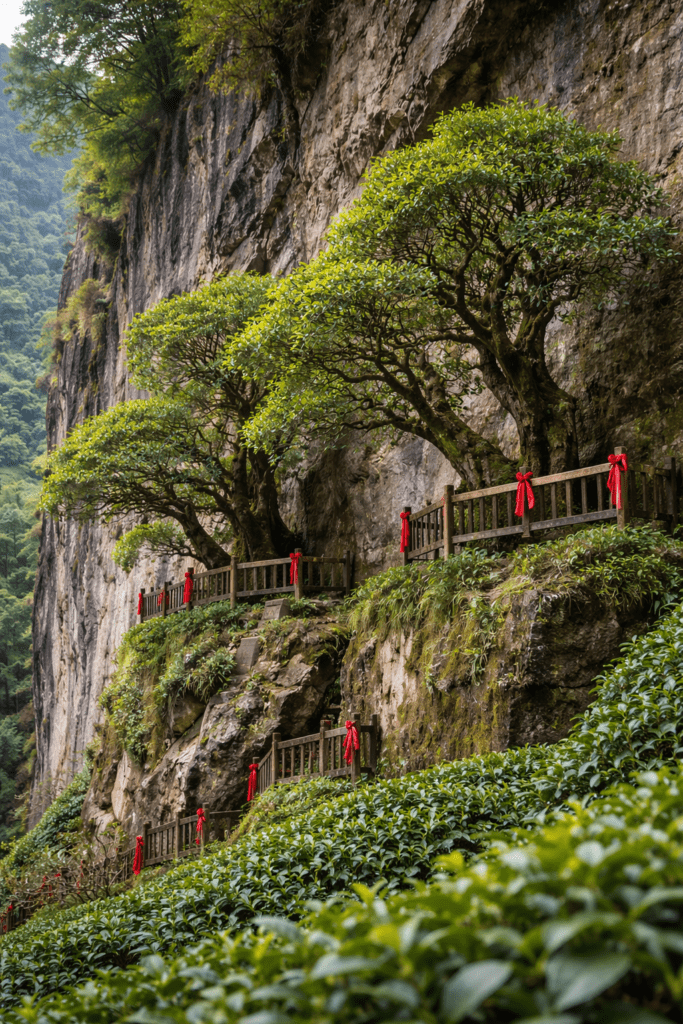
To show gratitude, the emperor sent large red robes to cover the tea bushes that saved the scholar’s life.
These bushes became known as:
Da Hong Pao — Big Red Robe.
Today, the original mother trees are still protected in the Wuyi Mountains and are considered priceless cultural treasures.
What Type of Tea Is Da Hong Pao?
Da Hong Pao belongs to the category of oolong tea.
However, it is quite different from other oolong varieties like Tieguanyin.
Compared to greener oolongs, Da Hong Pao is:
- more oxidized
- heavily roasted
- darker in color
- deeper in flavor
This gives it a bold and complex taste profile that many tea enthusiasts appreciate.
It is part of the famous Wuyi Yancha family, which also includes:
- Shui Xian
- Rou Gui
- Bai Ji Guan
- Tie Luo Han
Among them, Da Hong Pao is the most famous.
The Flavor Profile of Da Hong Pao
Da Hong Pao tea has a rich and layered flavor profile.
Common tasting notes include:
- roasted nuts
- dark chocolate
- caramel
- dried fruit
- orchid fragrance
- mineral finish
The tea liquor usually appears amber to deep reddish brown, depending on roasting level.
A high-quality Da Hong Pao offers:
- strong aroma
- smooth body
- complex aftertaste
- long-lasting sweetness
The most distinctive element is the rock mineral character, which gives the tea depth and elegance.
How Da Hong Pao Tea Is Produced
Producing Wuyi rock tea requires extremely skilled craftsmanship.
The process involves several important steps.
1 Harvesting
Leaves are picked from mature tea plants growing in rocky mountain terrain.
2 Withering
Fresh leaves lose moisture naturally in sunlight.
3 Tossing and Bruising
Leaves are shaken repeatedly to promote partial oxidation.
4 Oxidation
The tea undergoes controlled oxidation that develops aroma compounds.
5 Kill-Green Heating
Heat stops oxidation and stabilizes the leaves.
6 Rolling
Leaves are twisted into long strips rather than rolled into pellets.
7 Roasting
The final roasting stage is crucial.
Wuyi teas are roasted over charcoal multiple times to develop their characteristic flavor.
How to Brew Da Hong Pao Tea
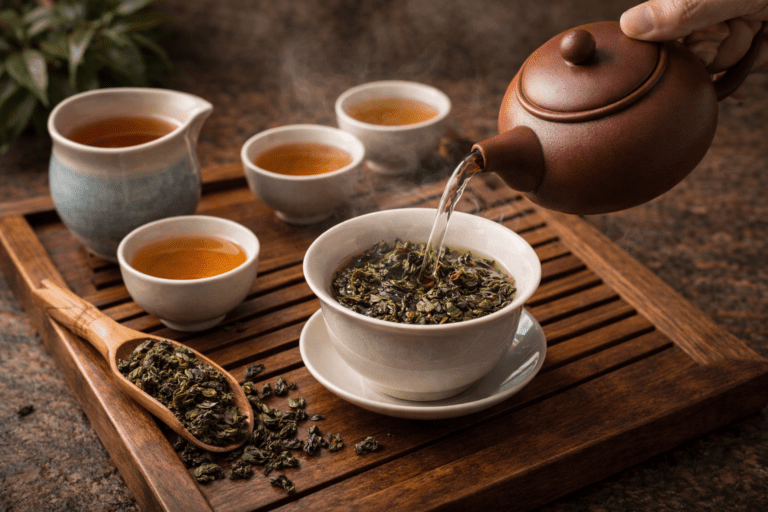
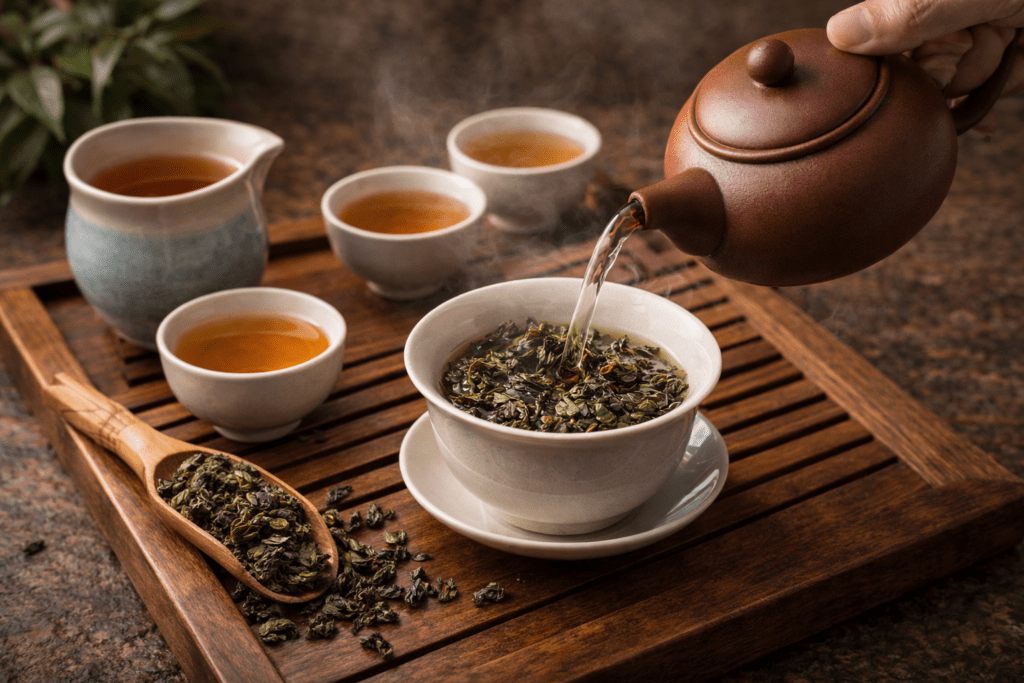
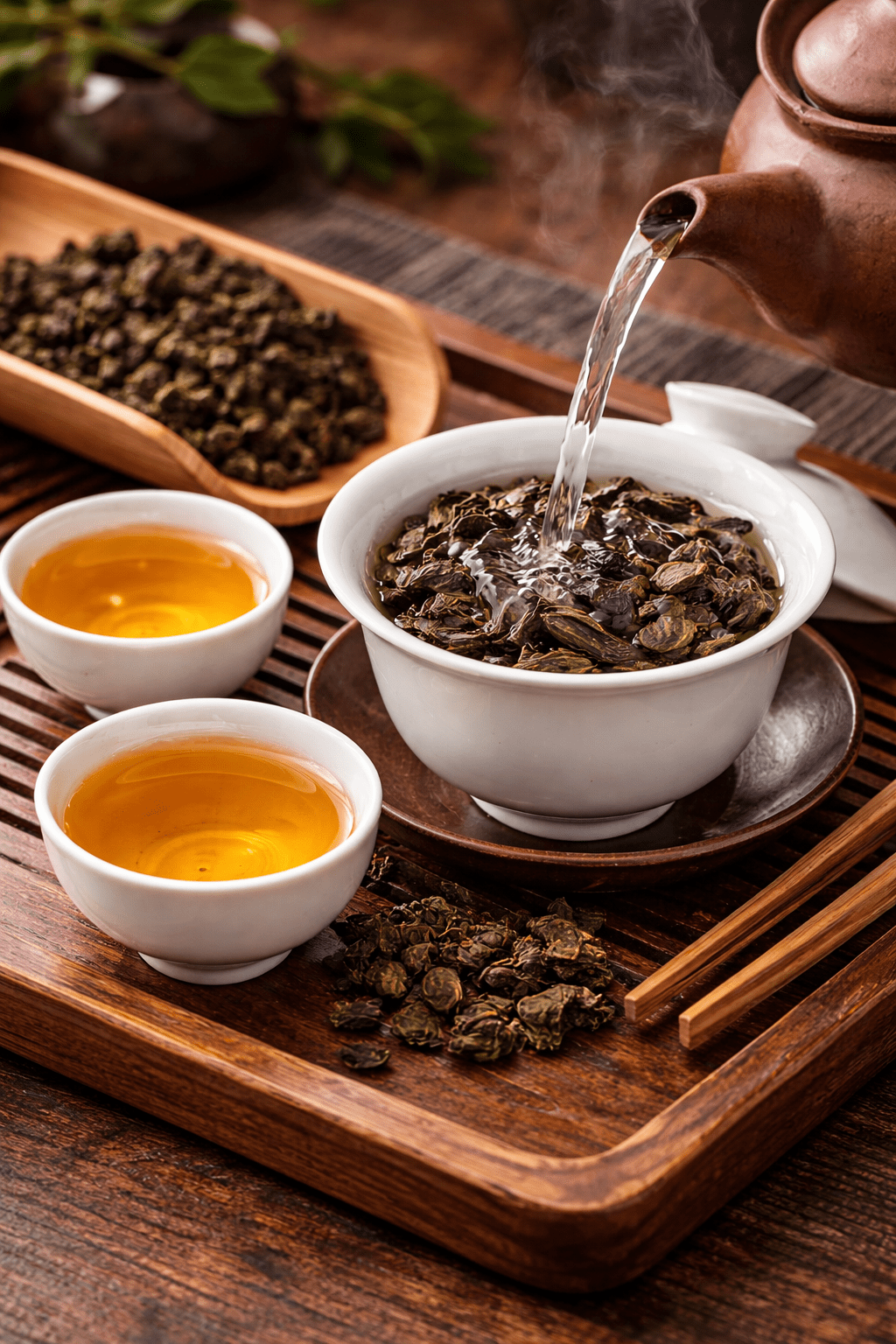
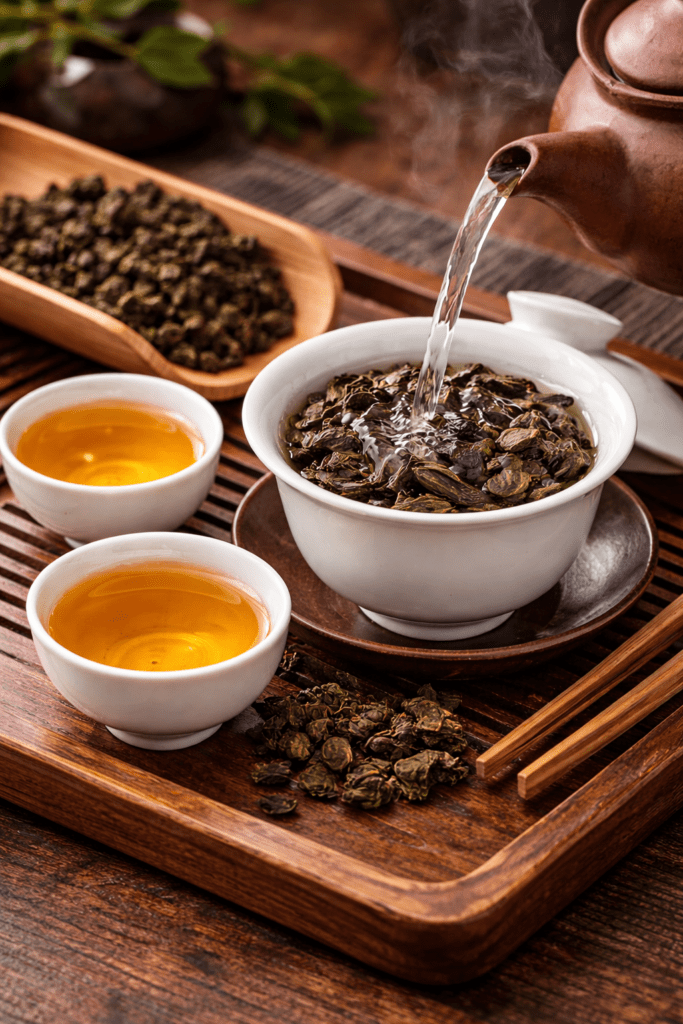
Da Hong Pao is best brewed using Gongfu tea brewing methods.
Water Temperature
95–100°C (203–212°F)
Tea Amount
5–7 grams per 100ml water
Steeping Time
First infusion: 10 seconds
Later infusions: gradually increase time.
Da Hong Pao can typically be brewed 6–10 infusions, with evolving flavor in each round.
Recommended Teaware
- Yixing teapot
- porcelain gaiwan
- small tasting cups
Why Da Hong Pao Is Considered a Legendary Tea
Several factors make Da Hong Pao one of the most respected teas in China.
Historic significance
It has been cultivated for centuries and is deeply connected with Chinese tea history.
Unique terroir
The Wuyi Mountains provide a rare environment that cannot be replicated elsewhere.
Complex flavor
The roasted mineral taste offers a unique experience that few teas can match.
Cultural prestige
Authentic Da Hong Pao is considered a premium tea worldwide.
How to Identify Authentic Da Hong Pao
Because of its popularity, many teas are sold under the name Da Hong Pao.
To identify high-quality tea, look for:
Leaf shape
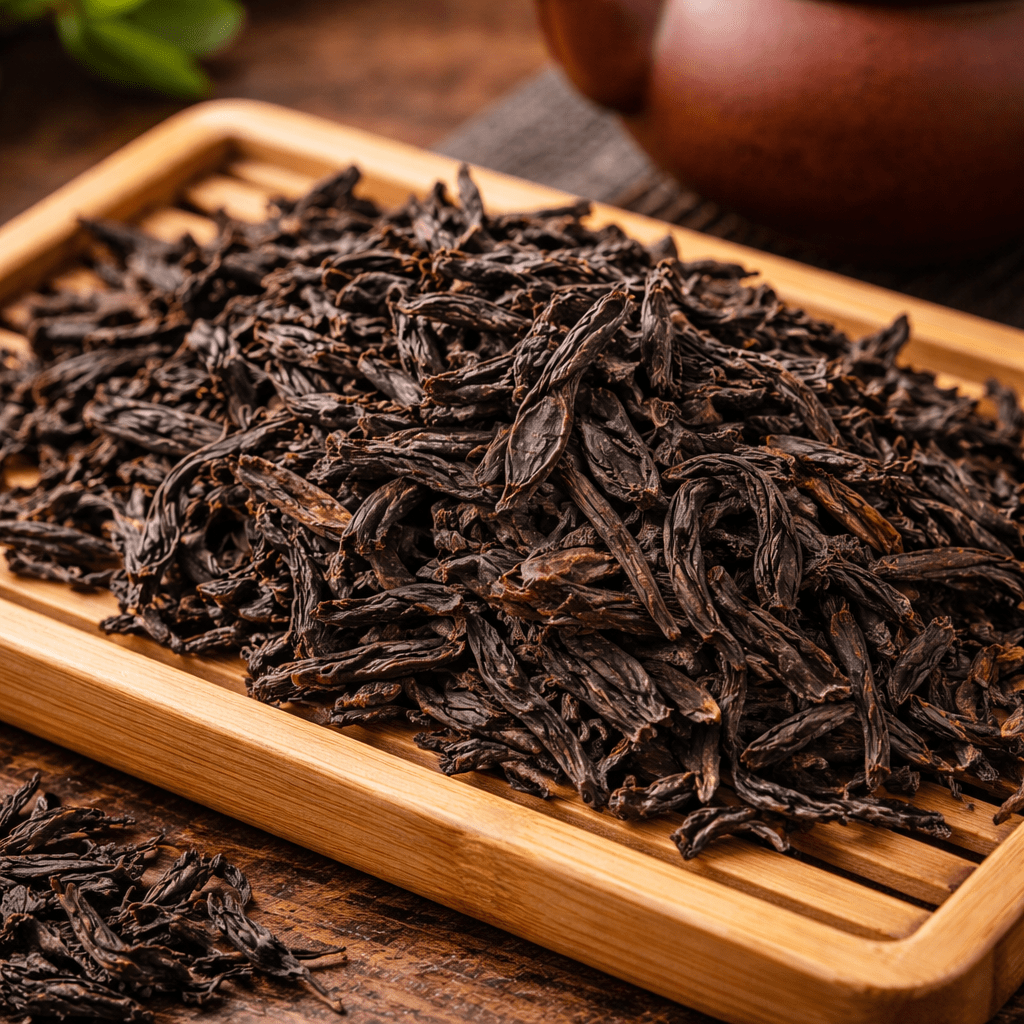
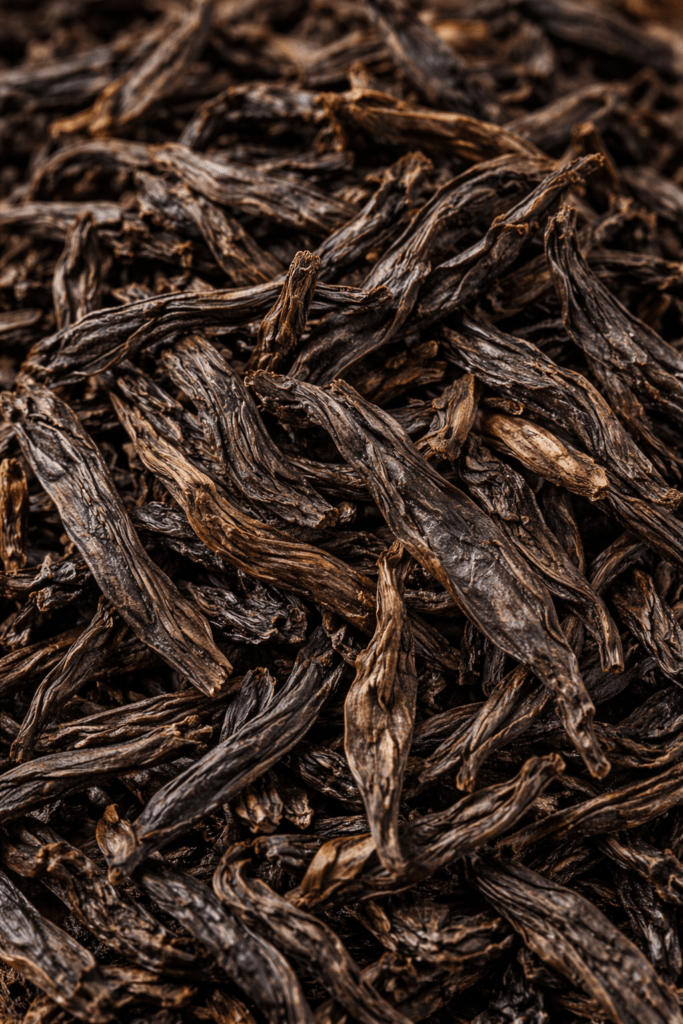
Twisted dark brown leaves with slight gloss.
Aroma
Strong roasted fragrance with floral undertones.
Liquor clarity
Clear amber liquor without cloudiness.
Taste
Balanced, smooth, and mineral-rich with a long aftertaste.
Final Thoughts
Da Hong Pao tea represents the pinnacle of Wuyi rock oolong craftsmanship.
Its bold roasted aroma, mineral depth, and historical significance make it one of the most fascinating teas in Chinese tea culture.
Whether you are a beginner exploring oolong tea or an experienced tea drinker seeking deeper complexity, Da Hong Pao offers a memorable and rewarding tea experience.