Silver Needle White Tea Guide: Flavor, Origin, and Brewing
Introduction
Silver Needle tea, known in Chinese as Baihao Yinzhen, is widely considered the most prestigious white tea in the world. With its delicate flavor, elegant appearance, and centuries-old history, Silver Needle tea represents the pinnacle of traditional Chinese tea craftsmanship.
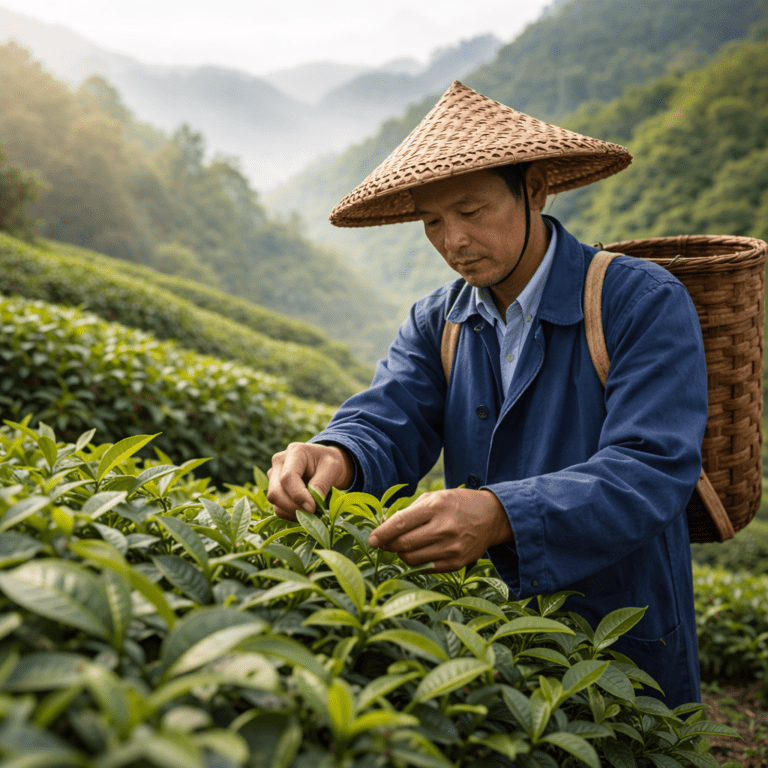
Unlike many other teas that use mature leaves, Silver Needle tea is made exclusively from young tea buds, carefully harvested during early spring. These buds are covered with fine white hairs that give the tea its distinctive silver appearance.
The tea is famous for its:
- subtle sweetness
- smooth mouthfeel
- floral aroma
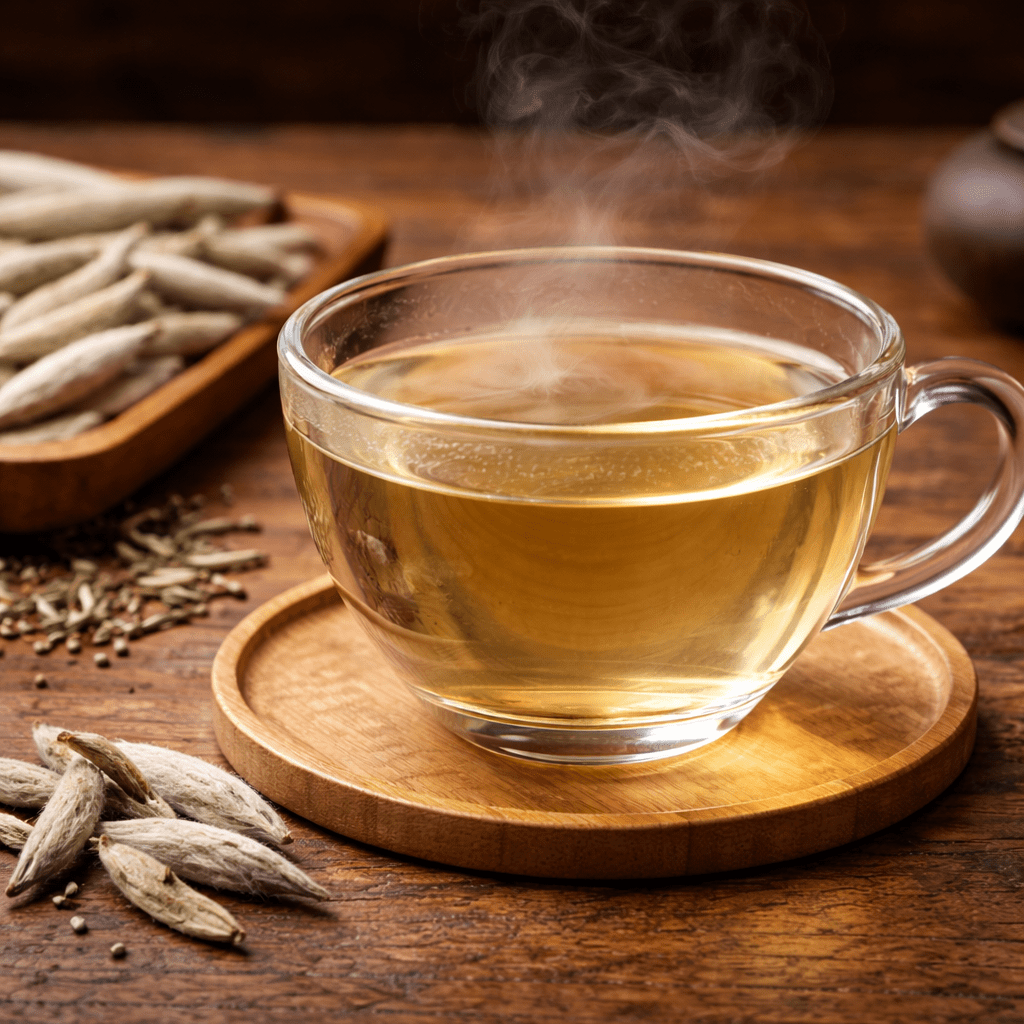
- light golden liquor
Because of its refined character and labor-intensive production process, Silver Needle tea has long been regarded as one of the most luxurious teas in China.
In this guide, we will explore everything you need to know about Silver Needle tea, including:
- the origin of Baihao Yinzhen
- how it is produced
- its flavor profile
- how to brew it correctly
- how to recognize high-quality Silver Needle tea
By the end of this guide, you will understand why this tea is often called the crown jewel of white tea.
What Is Silver Needle Tea
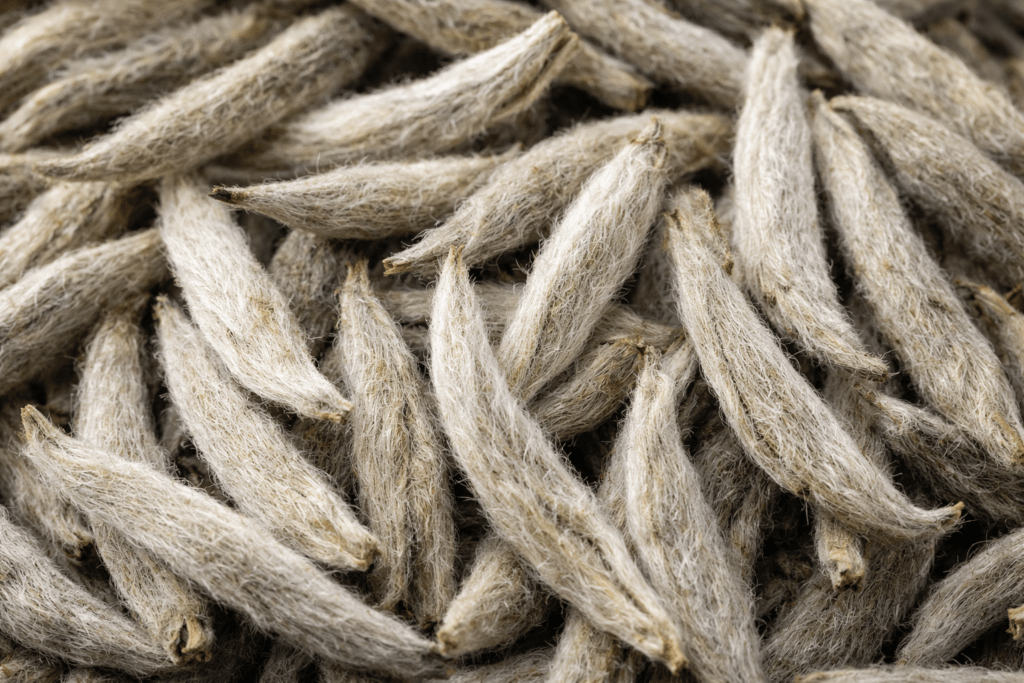
Silver Needle tea is a type of white tea made exclusively from young tea buds.
Unlike most teas that include leaves, this tea uses only unopened buds harvested from the tea plant.
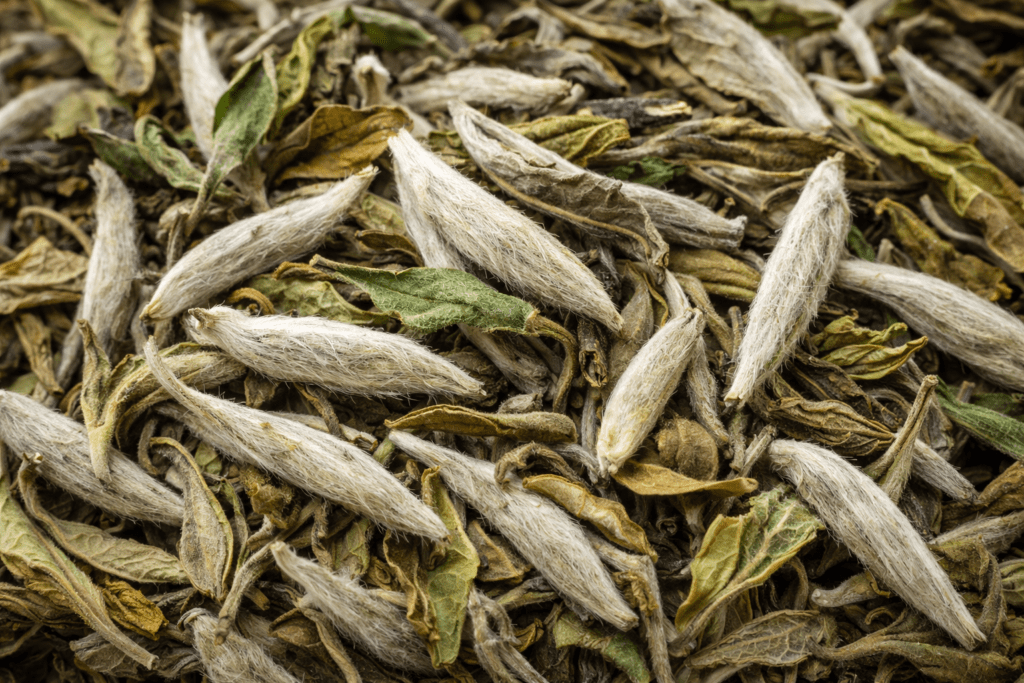
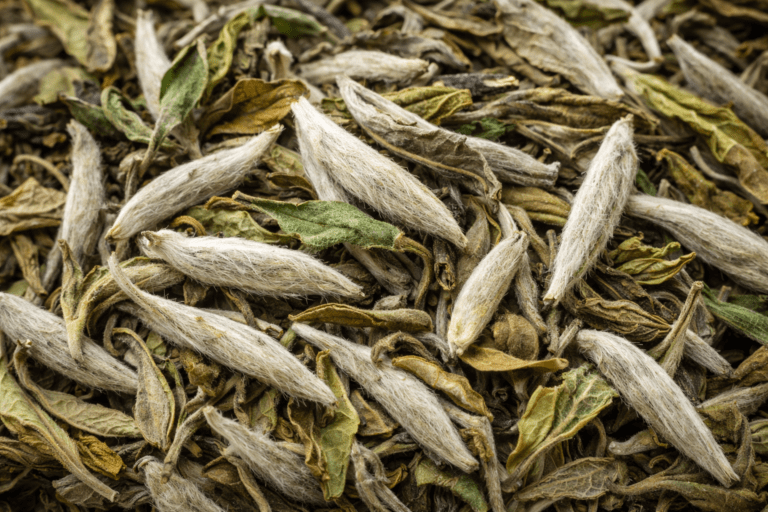
These buds are covered with fine white hairs that create a silvery appearance, which is how the tea earned the name Silver Needle.
The tea undergoes minimal processing, which preserves the natural characteristics of the tea plant.
Typical features of Silver Needle tea include:
- long slender buds
- silvery-white appearance
- soft floral aroma
- delicate taste
Because the tea is minimally processed, it retains many natural compounds and subtle flavors.
Origin of Silver Needle Tea
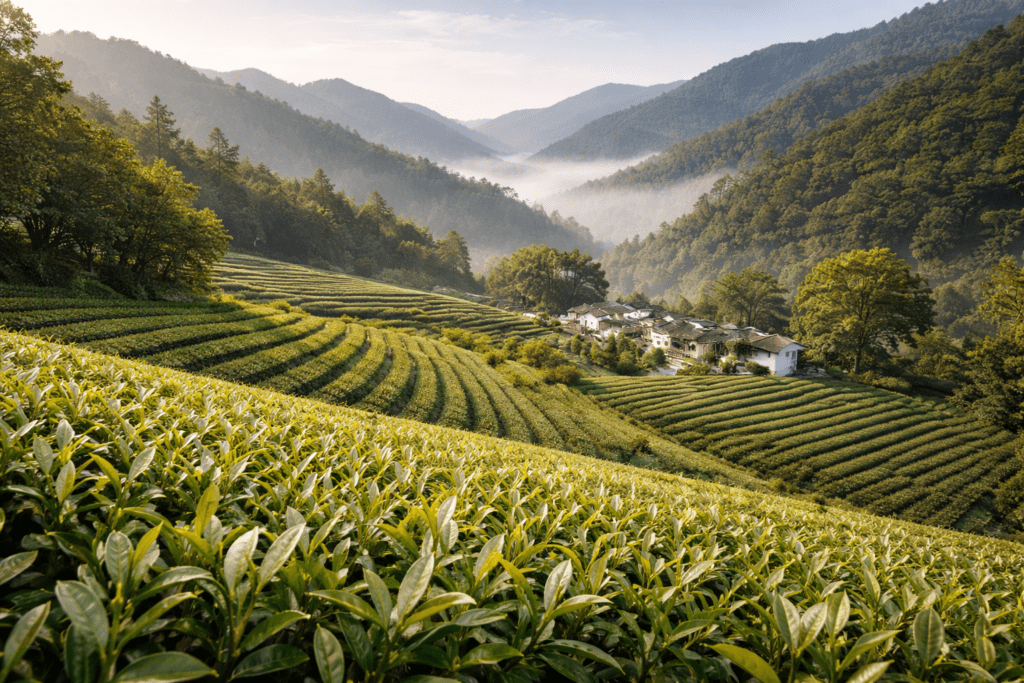
Silver Needle tea originates from Fujian Province in southeastern China, particularly in the regions of:
- Fuding
- Zhenghe
These areas are famous for producing high-quality white tea.
The climate in Fujian provides ideal conditions for tea cultivation:
- misty mountain environments
- moderate rainfall
- rich soil
- cool temperatures
Historically, Silver Needle tea was once reserved for the Chinese imperial court.
During the Qing Dynasty, the tea gained a reputation as one of the most refined teas available.
Even today, authentic Silver Needle tea from Fujian is highly valued by tea collectors and enthusiasts.
How Silver Needle Tea Is Made
The production of Silver Needle tea is relatively simple compared to many other teas.
However, the process requires careful control and skilled craftsmanship.
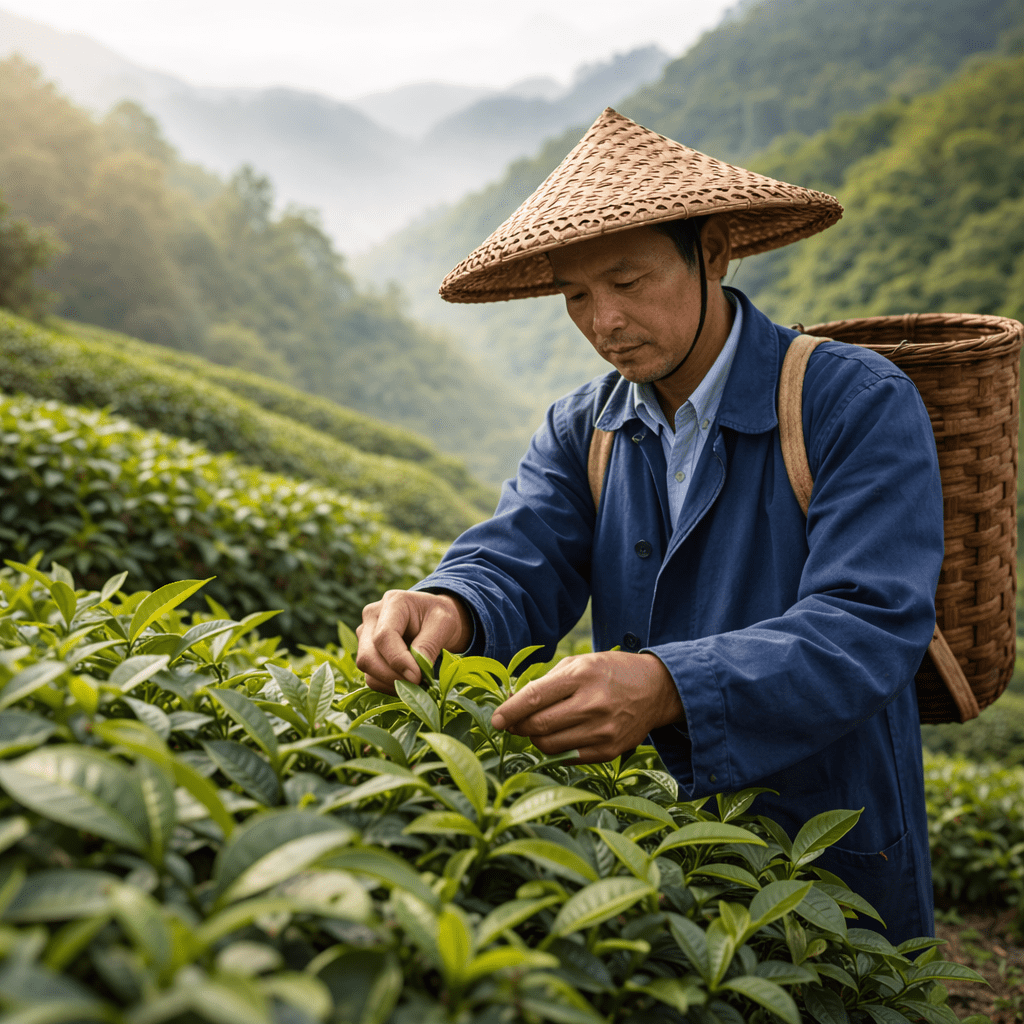
Harvesting
Tea buds are harvested during early spring when they are still tightly closed.
Only the highest-quality buds are selected.
Withering
Fresh buds are spread out and allowed to wither naturally.
This step removes moisture and softens the buds.
Drying
After withering, the buds are gently dried to stabilize the tea.
Unlike green tea or black tea, white tea undergoes minimal oxidation and processing.
This simple production method helps preserve the tea’s natural aroma and flavor.
Appearance of Silver Needle Tea
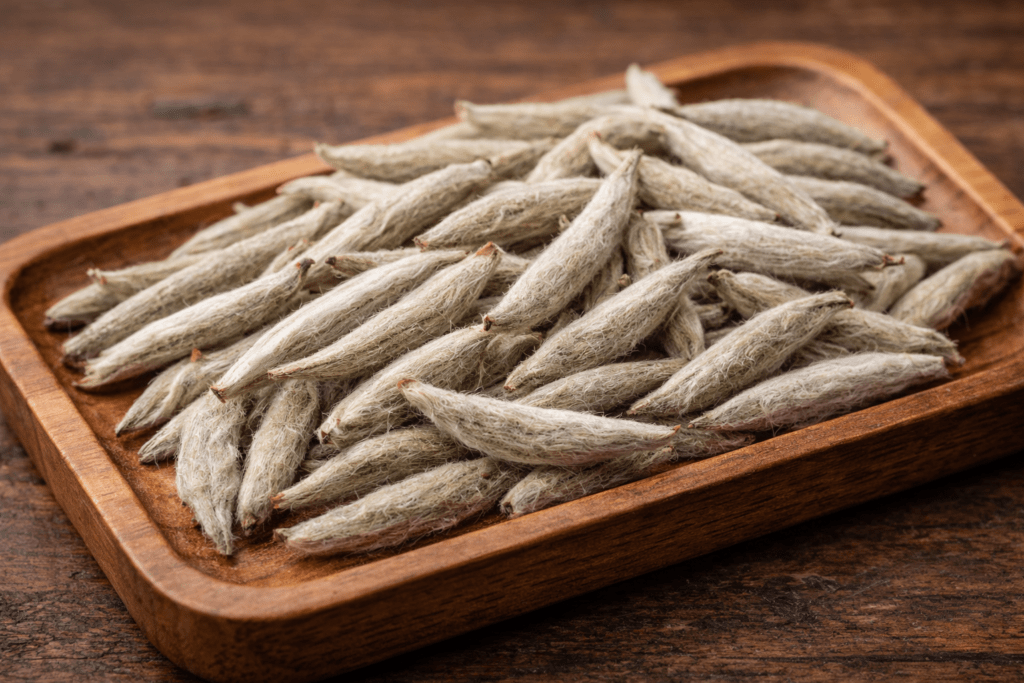
The visual appearance of Silver Needle tea is distinctive.
Dry tea buds appear:
- long and needle-shaped
- silver-white in color
- covered in fine downy hairs
When brewed, the tea produces a pale golden liquor that is clear and bright.
Flavor Profile
Silver Needle tea is famous for its delicate and refined flavor.
Common tasting notes include:
- soft floral aroma
- honey sweetness
- fresh hay notes
- light melon or cucumber hints
The body of the tea is smooth and silky.
Unlike many stronger teas, Silver Needle tea focuses on subtlety and elegance.
The aftertaste is often described as sweet and refreshing.
Silver Needle vs Other White Teas
White tea includes several varieties, but Silver Needle is generally considered the highest grade.
Silver Needle
- made from buds only
- most delicate flavor
- highest quality
White Peony (Bai Mudan)
- buds and young leaves
- slightly stronger flavor
Shoumei
- mature leaves
- richer, deeper flavor
Because of the strict harvesting standards, Silver Needle tea is often more expensive than other white teas.
How to Brew Silver Needle Tea
Proper brewing is essential to enjoy the delicate flavors of Silver Needle tea.
Tea Amount
Use approximately:
3 gramsper cup.
Water Temperature
Use water around:
80–85°CWater that is too hot may damage the delicate buds.
Steeping Time
Steep for:
2–3 minutesSilver Needle tea can often be brewed 3–4 times.
Each infusion reveals slightly different flavors.
Health Benefits of Silver Needle Tea
Silver Needle tea contains many natural compounds that may benefit health.
These include:
- antioxidants
- catechins
- polyphenols
- amino acids
Potential health benefits include:
- supporting immune health
- reducing oxidative stress
- promoting relaxation
- improving skin health
Because white tea undergoes minimal processing, it retains a high level of natural antioxidants.
How to Identify High Quality Silver Needle Tea
When buying Silver Needle tea, several factors indicate quality.
Bud Appearance
High-quality tea should consist of:
- uniform buds
- silvery hairs
- intact needles
Aroma
The fragrance should be fresh, floral, and slightly sweet.
Liquor
The brewed tea should appear:
- pale gold
- bright
- clear
Cultural Significance
Silver Needle tea is one of the most respected teas in Chinese tea culture.
Because of its rarity and labor-intensive harvesting process, it has historically been associated with luxury and refinement.
Today, Silver Needle tea continues to be a favorite among tea connoisseurs around the world.
Conclusion
Silver Needle tea represents the essence of white tea craftsmanship. Its delicate flavor, elegant appearance, and long history make it one of the most treasured teas in the world.
For tea drinkers seeking a refined and subtle tea experience, Silver Needle tea offers a truly remarkable cup.