Junshan Yinzhen Yellow Tea Guide: Flavor, History, and Brewing
Junshan Yinzhen is one of the most rare and elegant teas in China. Known as one of the Ten Famous Chinese Teas, this delicate yellow tea has been prized for centuries for its refined flavor, graceful appearance, and unique processing technique.
Unlike green tea, which is known for its fresh grassy notes, or black tea, which develops rich oxidized flavors, yellow tea occupies a special position in the world of tea. It undergoes a rare process known as “sealed yellowing”, which produces a smoother taste and a softer aroma.
Junshan Yinzhen is produced only in a small region in China, making it both culturally significant and relatively rare in global tea markets.
In this guide, we will explore everything you need to know about Junshan Yinzhen tea, including:
- what Junshan Yinzhen tea is
- where it is grown
- how it is processed
- its flavor profile
- how to brew it properly
- how to identify high-quality tea
By the end of this guide, you will understand why Junshan Yinzhen remains one of the most respected teas in Chinese tea culture.
What Is Junshan Yinzhen Tea
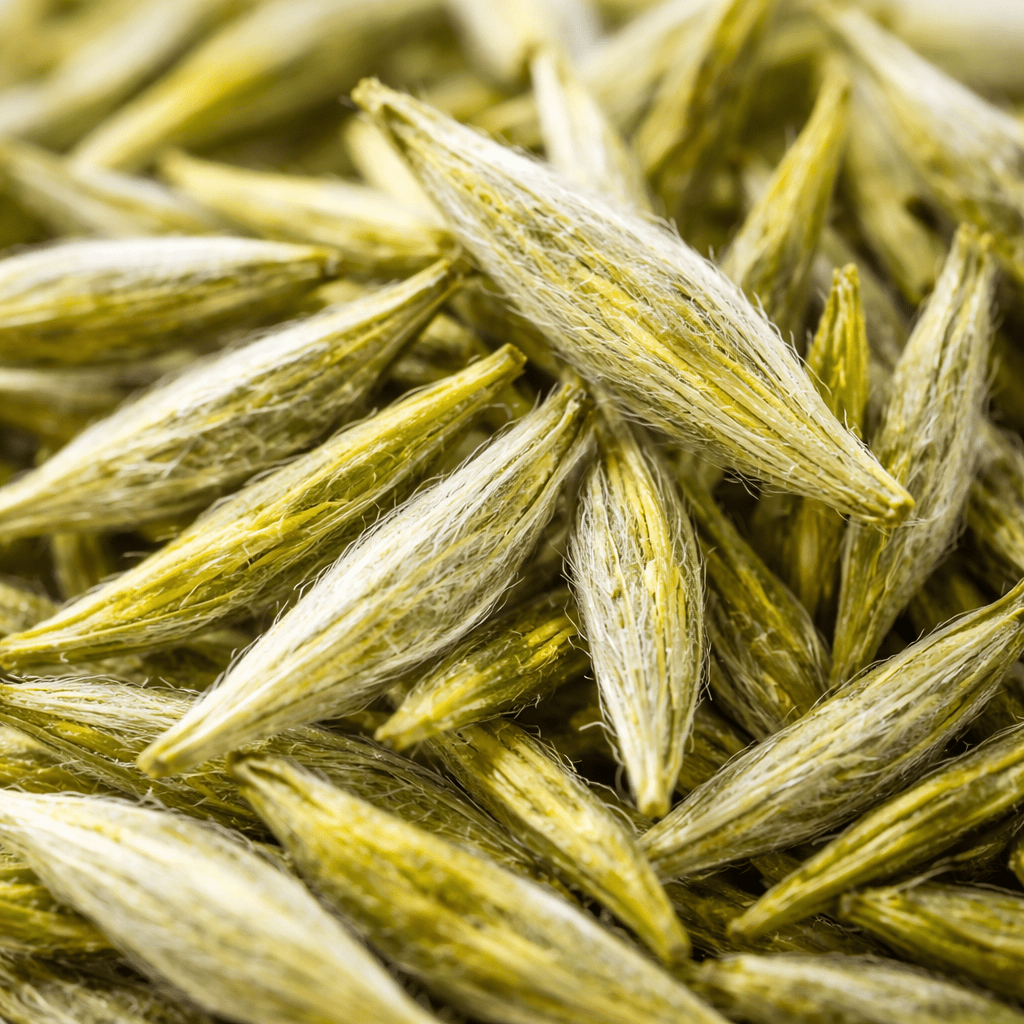
Junshan Yinzhen is a yellow tea made entirely from young tea buds.
The name Junshan Yinzhen can be translated as “Silver Needles of Junshan.”
The name describes both the location and the appearance of the tea.
The buds used to produce this tea are:
- long
- slender
- covered with fine silver hairs
These buds resemble small silver needles, which is how the tea got its name.
Junshan Yinzhen belongs to the category of yellow tea, a rare tea type that is less commonly produced than green, black, or oolong teas.
Yellow tea production requires highly controlled craftsmanship, and only a few regions in China continue to produce it.
Origin of Junshan Yinzhen Tea
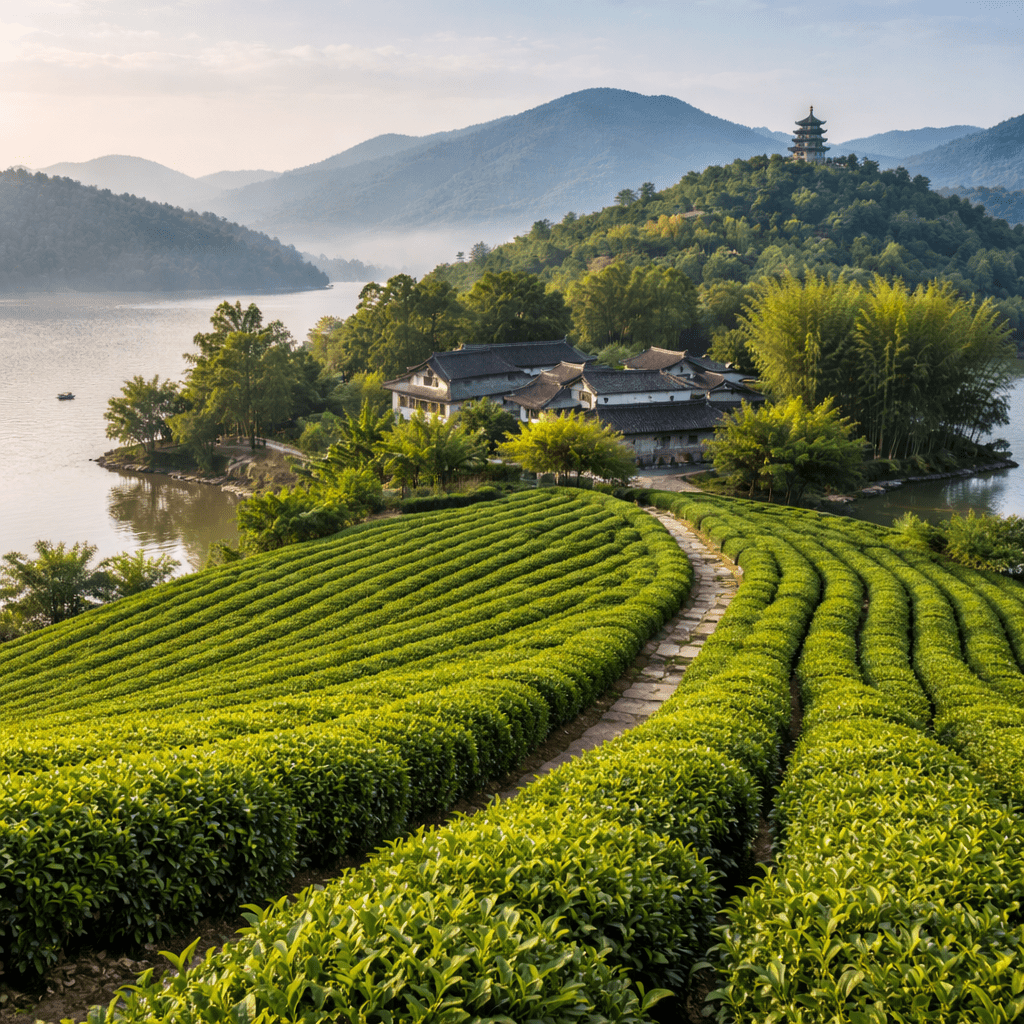
Authentic Junshan Yinzhen is grown on Junshan Island, located in Dongting Lake in Hunan Province.
Junshan Island is a small island surrounded by water, which creates a unique microclimate ideal for tea cultivation.
The region benefits from:
- frequent mist
- high humidity
- moderate temperatures
- mineral-rich soil
These natural conditions contribute to the tea’s delicate aroma and smooth taste.
The history of tea cultivation on Junshan Island can be traced back more than 1,000 years.
During the Tang Dynasty, tea from this region was already well known. By the Qing Dynasty, Junshan Yinzhen had become a tribute tea served to the imperial court.
Because of its imperial status, the tea became associated with prestige and refinement.
The Unique Processing of Yellow Tea
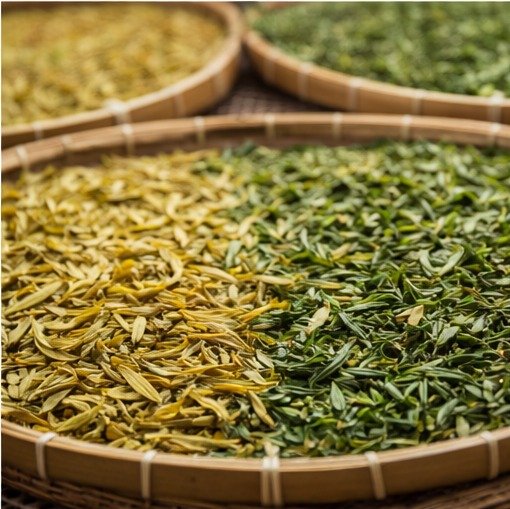
The production of yellow tea involves a distinctive step called sealed yellowing, known in Chinese as Men Huang (闷黄).
This step distinguishes yellow tea from green tea.
The typical processing steps include:
1 Harvesting
The tea is harvested very early in the spring when the buds are still tender.
Only the finest buds are selected.
2 Withering
Fresh tea buds are spread out and allowed to lose some moisture naturally.
3 Pan Firing
The buds are gently heated in a wok to stop enzymatic oxidation.
4 Sealed Yellowing
The tea is wrapped or piled under warm and slightly humid conditions.
This stage allows the tea leaves to develop their characteristic yellow color and smooth flavor.
5 Drying
Finally, the tea is dried to stabilize the leaves and preserve aroma.
This sealed yellowing stage softens the grassy taste found in green tea and produces a smoother, rounder flavor.
Appearance of Junshan Yinzhen
Junshan Yinzhen tea is known for its elegant visual appearance.
Dry leaves typically show:
- straight buds
- uniform shape
- fine white hairs
- pale yellow-green color
Because the tea consists almost entirely of buds, the leaves appear very delicate and refined.
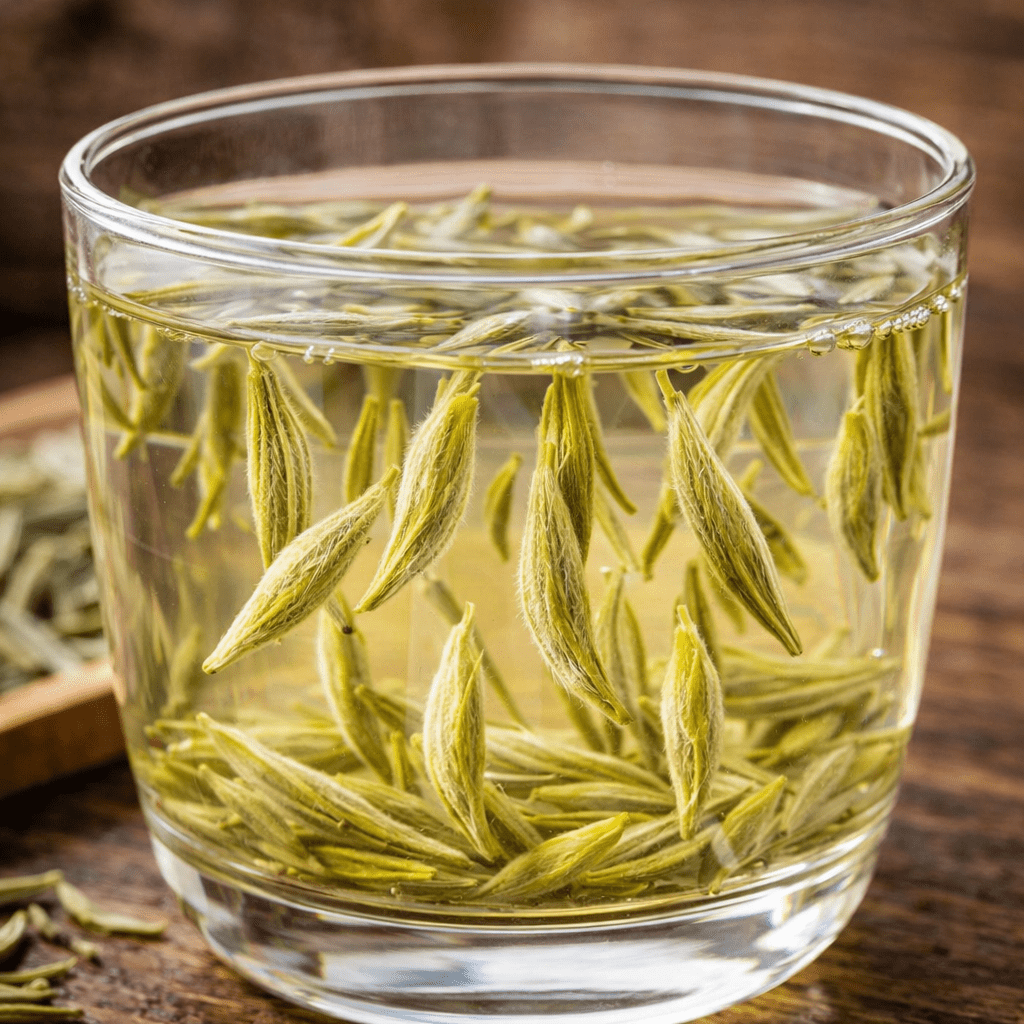
When brewed, the buds often perform a beautiful movement inside the cup.
They may slowly rise and fall vertically, which is considered a visual pleasure when drinking this tea.
Flavor Profile
Junshan Yinzhen is admired for its gentle and refined taste.
The tea has a delicate aroma with notes that may include:
- light floral fragrance
- subtle sweetness
- mild chestnut notes
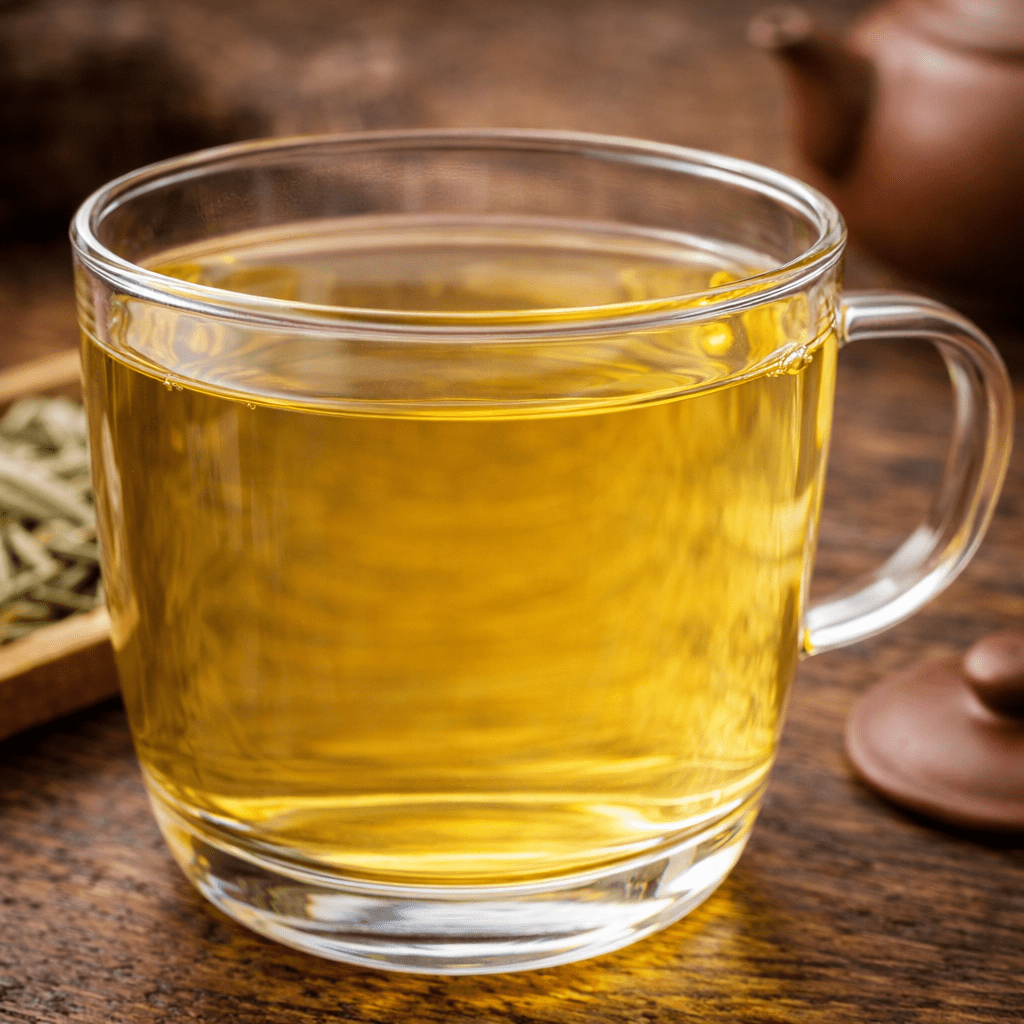
The tea liquor is usually:
- bright golden yellow
- clear and luminous
Compared to green tea, Junshan Yinzhen tends to be less grassy and smoother.
Compared to white tea, it often has a slightly richer body.
The mouthfeel is soft and silky, and the aftertaste lingers gently.
How to Brew Junshan Yinzhen
Brewing Junshan Yinzhen properly is essential for experiencing its delicate character.
Because the buds are tender, water that is too hot may damage the flavor.
Tea Quantity
Use approximately:
3 grams of tea
for a standard cup.
Water Temperature
Ideal brewing temperature:
80–85°C
Steeping Time
Steep for:
1–2 minutes
The tea can usually be infused multiple times.
Many tea drinkers prefer brewing Junshan Yinzhen in glass teaware, which allows them to watch the buds gracefully float and unfold.
Health Benefits of Yellow Tea
Like other traditional teas, Junshan Yinzhen contains many beneficial natural compounds.
These include:
- antioxidants
- polyphenols
- amino acids
- caffeine in moderate amounts
Some potential health benefits associated with yellow tea include:
- supporting digestion
- improving mental alertness
- helping reduce oxidative stress
- supporting metabolism
Because yellow tea is only lightly processed, many natural compounds remain intact.
How to Identify High Quality Junshan Yinzhen
When selecting Junshan Yinzhen tea, several quality indicators can help.
Dry Leaves
High-quality tea should show:
- uniform buds
- visible silver hairs
- bright color
Tea Liquor
The brewed tea should appear:
- clear
- golden yellow
- free from cloudiness
Aroma
The fragrance should be fresh, soft, and slightly sweet.
Low-quality tea may appear dull or contain broken leaves.
Cultural Importance of Junshan Yinzhen
Junshan Yinzhen is more than just a beverage.
It represents centuries of Chinese tea tradition and craftsmanship.
Because of its rarity and historical significance, the tea is often served on special occasions and appreciated by tea connoisseurs.
For many tea drinkers, Junshan Yinzhen embodies the elegance and refinement of Chinese tea culture.
Conclusion
Junshan Yinzhen is one of the most distinctive teas in the world. Its delicate buds, rare production process, and smooth flavor make it a treasured tea among enthusiasts.
Whether you are exploring Chinese tea for the first time or expanding your knowledge of tea varieties, Junshan Yinzhen offers a unique and memorable experience.
Its refined taste and cultural heritage continue to make it one of the most celebrated yellow teas in China.