Yixing Teapot Explained: Why These Clay Teapots Are Legendary for Chinese Tea
Chinese tea culture is deeply connected with the tools used to prepare tea. Among all traditional teaware, few items are as famous or respected as the Yixing teapot.
Made from special clay found in Yixing, Jiangsu Province, these small teapots have been used for centuries by tea masters and collectors. Today, Yixing teapots are considered one of the finest tools for brewing tea, especially oolong tea, pu-erh tea, and black tea.
Unlike ordinary ceramic teapots, Yixing teapots are made from porous clay that absorbs tea oils over time, gradually improving the flavor of the tea brewed in them. This unique characteristic has made them legendary in the world of tea.
In this guide, you will learn:
- What a Yixing teapot is
- Why Yixing clay is special
- The history of Yixing teapots
- How they affect tea flavor
- Different types of Yixing clay
- How to choose a real Yixing teapot
- Why tea lovers dedicate one teapot to one tea
By the end, you will understand why serious tea drinkers around the world consider the Yixing teapot an essential part of Chinese tea culture.
What Is a Yixing Teapot?
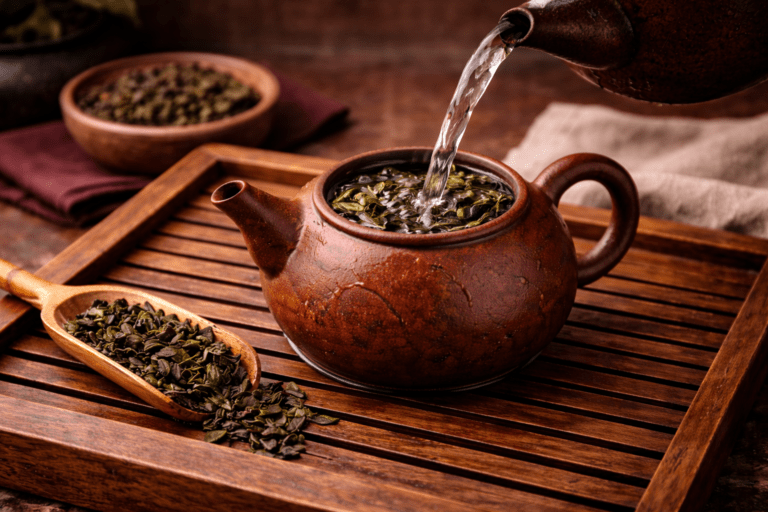
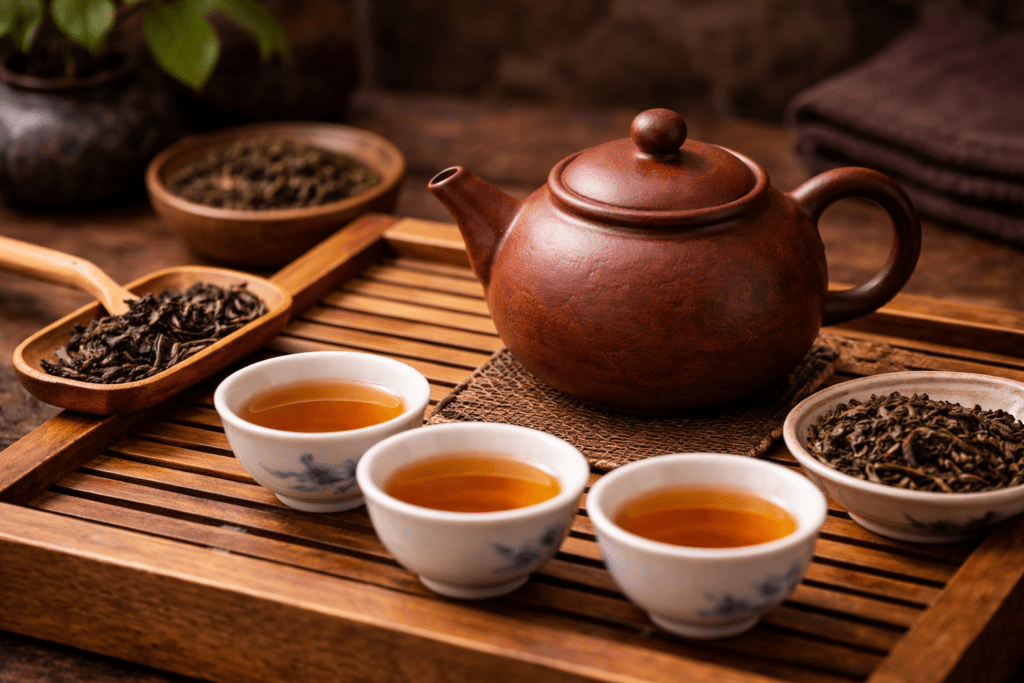
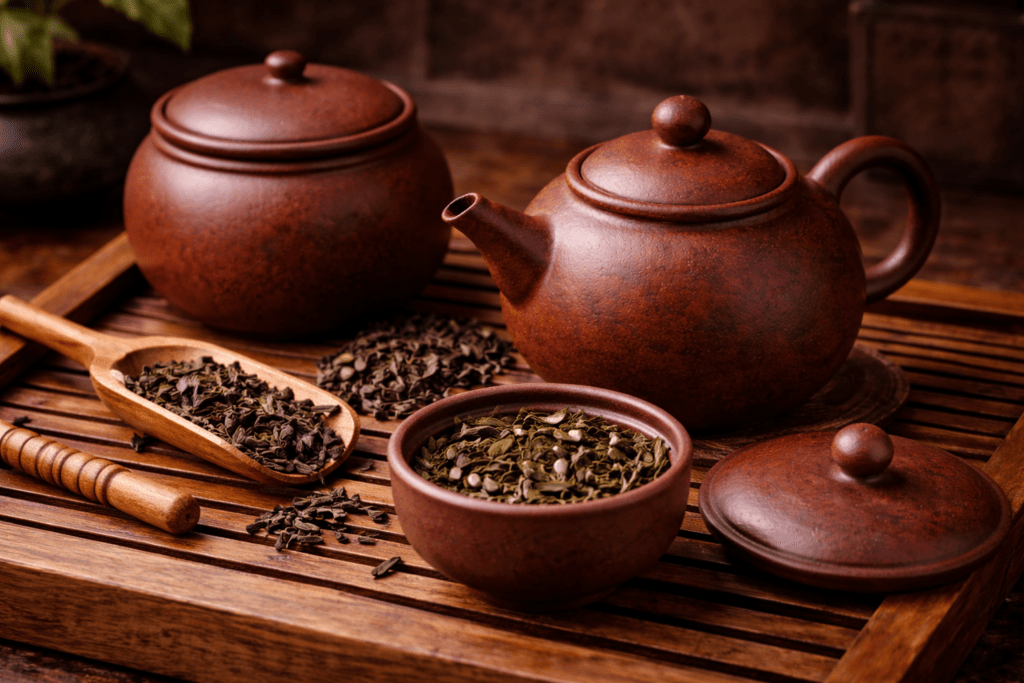
A Yixing teapot is a small unglazed clay teapot traditionally used in Chinese gongfu tea brewing.
These teapots are handmade from zisha clay, a unique mineral clay found only in the region around Yixing.
Unlike glazed porcelain teapots, Yixing teapots are unglazed, which means the clay surface remains slightly porous. This allows the clay to interact with the tea during brewing.
Over time, the teapot absorbs microscopic amounts of tea oils. As a result, the teapot gradually develops a seasoned interior, which can subtly enhance the flavor of tea.
Tea enthusiasts often say that an old Yixing teapot can brew tea with incredible depth and smoothness.
Typical characteristics of Yixing teapots include:
- Small size (usually 100–300 ml)
- Thick clay walls
- Tight-fitting lids
- Handmade craftsmanship
- No interior glaze
These teapots are most commonly used in gongfu-style brewing, where tea is steeped multiple times using a high leaf-to-water ratio.
The History of Yixing Teapots
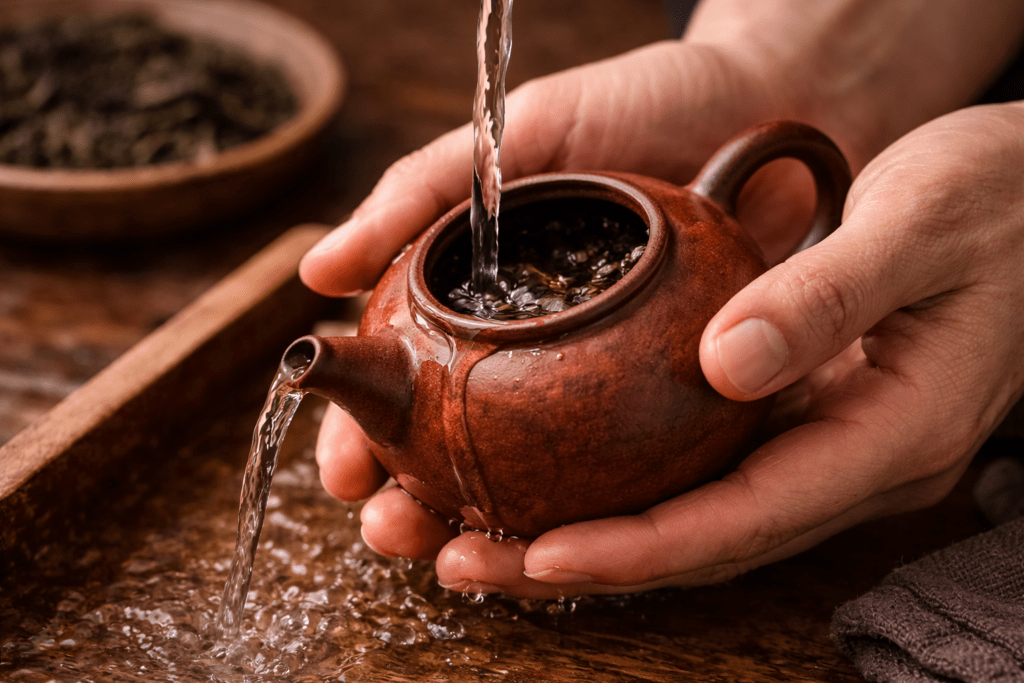
Yixing teapots first appeared during the Ming Dynasty (1368–1644), a period when loose leaf tea replaced powdered tea in China.
As brewing loose tea leaves became popular, tea drinkers needed a new type of teapot that could handle repeated infusions while preserving the delicate aroma of the tea.
Artisans in Yixing began experimenting with the local zisha clay, discovering that it had perfect properties for brewing tea.
The earliest Yixing teapots were simple in design, but they quickly gained popularity among scholars and tea masters.
During the Qing Dynasty, Yixing teapots became prized cultural objects. Many famous artists began signing their work, and collectors started valuing teapots as pieces of art.
Today, antique Yixing teapots can sell for thousands or even millions of dollars, especially those made by famous masters.
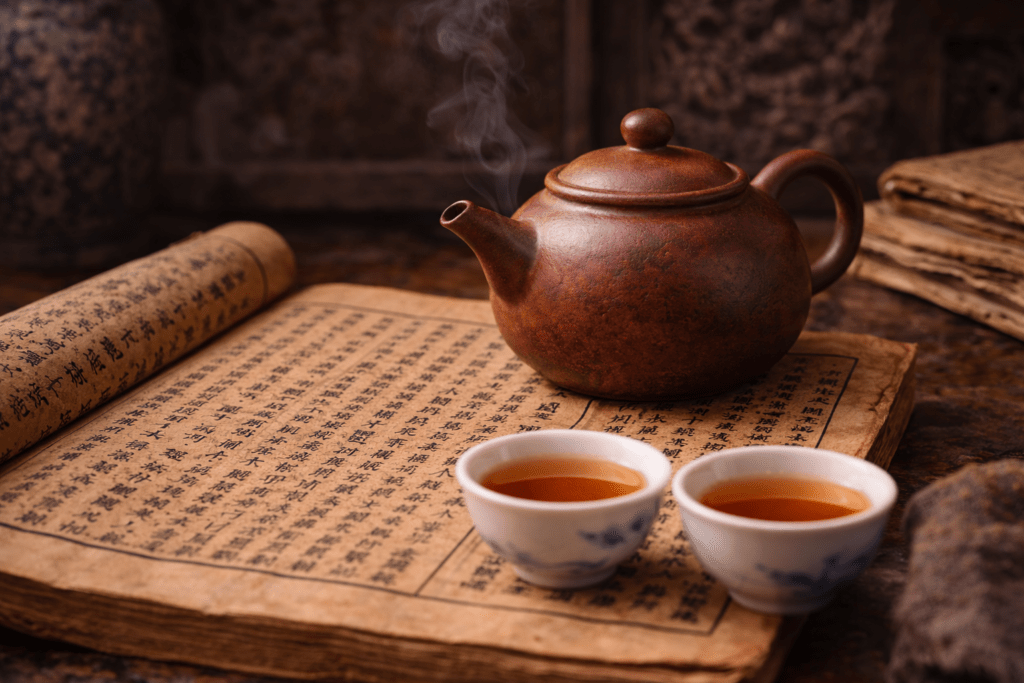
Why Yixing Clay Is Unique
The magic of a Yixing teapot lies in its clay.
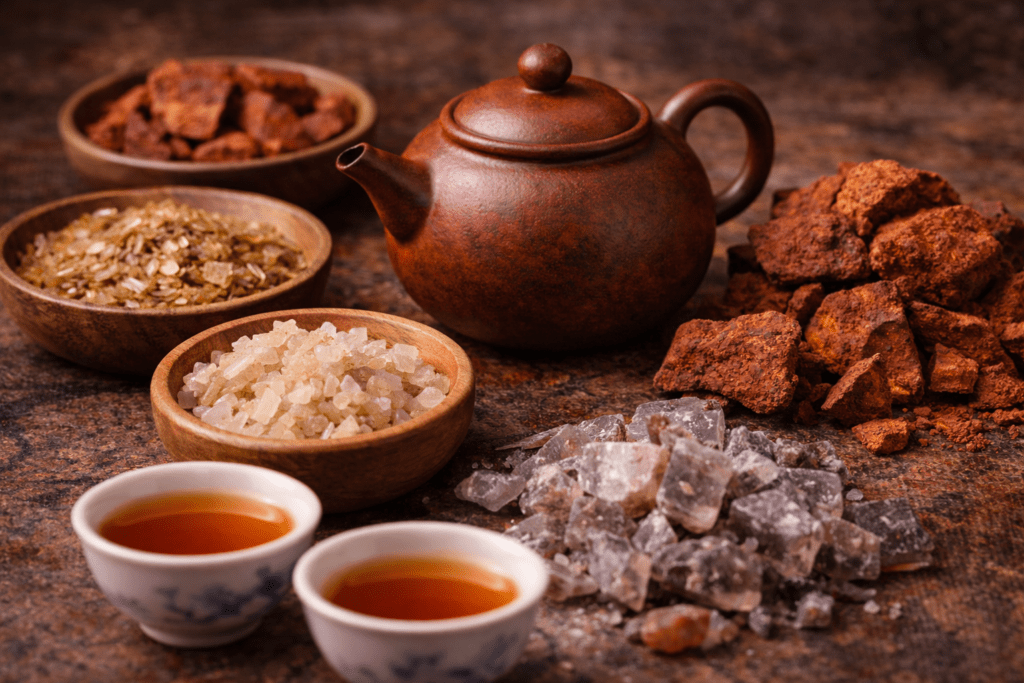
Zisha clay contains a complex mixture of minerals including:
- Quartz
- Kaolin
- Mica
- Iron oxide
These minerals give Yixing clay several unique properties.
Porous Structure
The clay is slightly porous, allowing it to absorb tiny amounts of tea oils.
This is why many tea drinkers dedicate one Yixing teapot to one type of tea.
Heat Retention
Yixing clay holds heat extremely well.
Stable temperature helps extract deeper flavors during brewing.
Breathability
Because the clay is not glazed, the teapot can “breathe”, allowing subtle air exchange during brewing.
Many tea drinkers believe this produces smoother and more balanced tea.
Types of Yixing Clay
Not all Yixing teapots are made from the same clay.
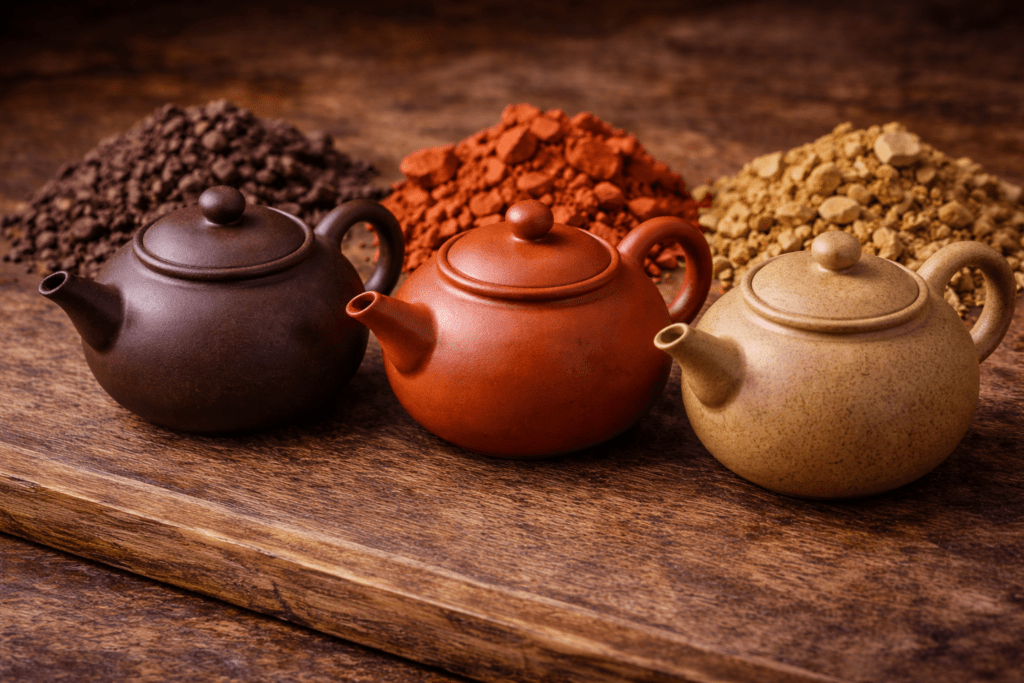
There are three primary types of traditional Yixing clay.
Zisha (Purple Clay)
The most famous type.
Color ranges from brown to purple.
Best suited for:
- Oolong tea
- Pu-erh tea
- Black tea
Zhuni (Red Clay)
A rare clay with a bright reddish color.
It is known for excellent heat retention and a slightly smoother surface.
Often used for:
- Aromatic oolong teas
- Dancong oolong
- High mountain oolong
Duanni (Yellow Clay)
This clay has a lighter yellow or beige color.
It is slightly more porous than other clays.
Often used for:
- Green tea
- Light oolong tea
Why Tea Lovers Dedicate One Teapot Per Tea
A famous rule in Chinese tea culture is:
“One teapot, one tea.”
Because Yixing clay absorbs tea oils, the flavor of previous teas can remain in the pot.
If different teas are brewed in the same teapot, their flavors may mix.
For this reason, many tea drinkers dedicate a specific teapot to one category of tea.
Examples include:
- One teapot for oolong tea
- One teapot for pu-erh tea
- One teapot for black tea
Over time, the teapot develops a seasoning that enhances that particular tea.
Some collectors even claim that a well-seasoned teapot can produce flavorful tea even without adding leaves.
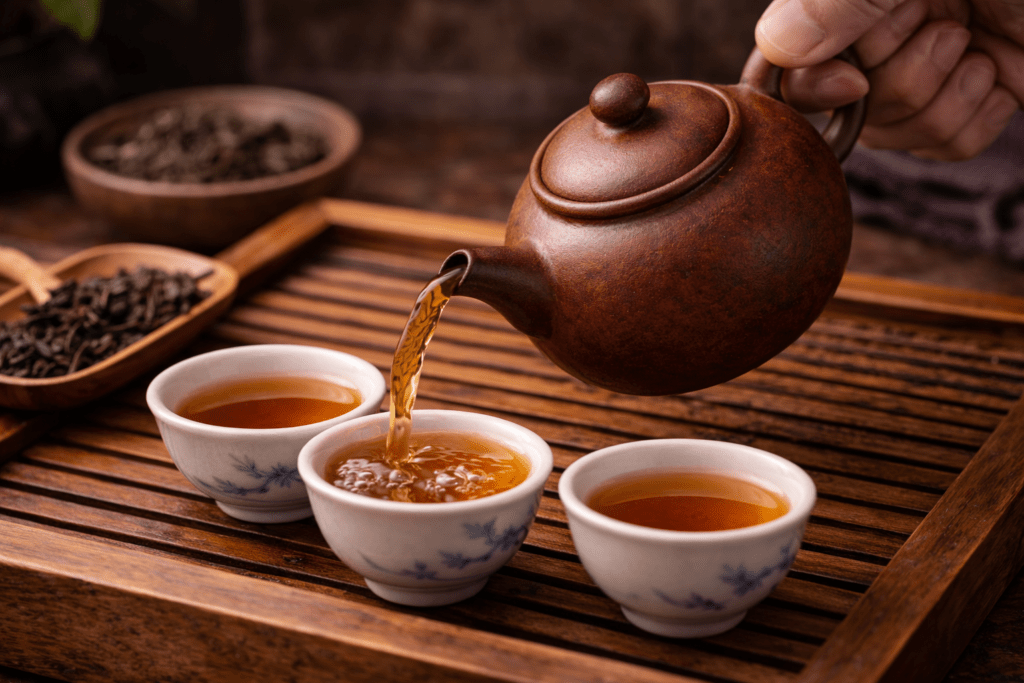
How Yixing Teapots Improve Tea Flavor
Many tea lovers believe Yixing teapots improve tea in several ways.
Better Temperature Stability
The clay maintains steady heat during brewing.
Aroma Concentration
Small teapot size concentrates tea aroma.
Flavor Softening
The clay can soften harsh bitterness.
Enhanced Texture
Tea brewed in Yixing often feels smoother and rounder.
These effects are especially noticeable with:
- Oolong tea
- Pu-erh tea
- Black tea
These teas benefit from high heat and repeated infusions.
How to Identify a Real Yixing Teapot
Because Yixing teapots are famous, many fake versions exist.
Here are several signs of a genuine Yixing teapot.
Handmade Construction
Real teapots are handmade or semi-handmade.
Tight Lid Fit
The lid should fit perfectly.
Clay Texture
Real clay has a slightly sandy texture.
Sound Test
When tapping the lid lightly, the sound should be clear but not metallic.
No Interior Glaze
Authentic Yixing teapots are always unglazed inside.
Beginners should buy from reputable tea shops to avoid imitations.
How to Care for a Yixing Teapot
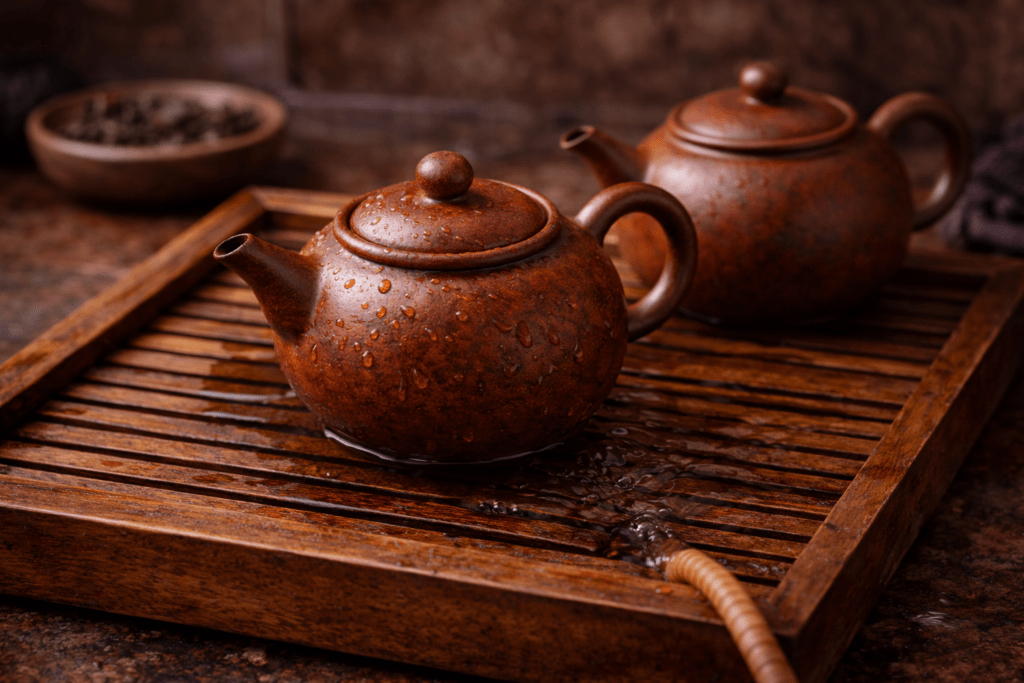
Proper care helps a Yixing teapot develop beautiful seasoning.
Important tips include:
- Rinse with hot water only
- Never use soap
- Allow the pot to dry naturally
- Use it regularly
Over time, the teapot will develop a natural shine known as “tea patina.”
This patina is highly valued by tea collectors.
Final Thoughts
The Yixing teapot is more than just a brewing tool. It is a symbol of Chinese tea culture and craftsmanship.
For centuries, tea masters have relied on these clay teapots to bring out the best flavors in tea.
Their unique clay, careful craftsmanship, and ability to improve with age make them one of the most fascinating pieces of teaware in the world.
Whether you are a beginner or a serious tea enthusiast, learning about Yixing teapots opens a deeper appreciation for the art of tea brewing.
And once you begin using one regularly, you may discover why tea drinkers say:
A good Yixing teapot becomes a lifelong tea companion.