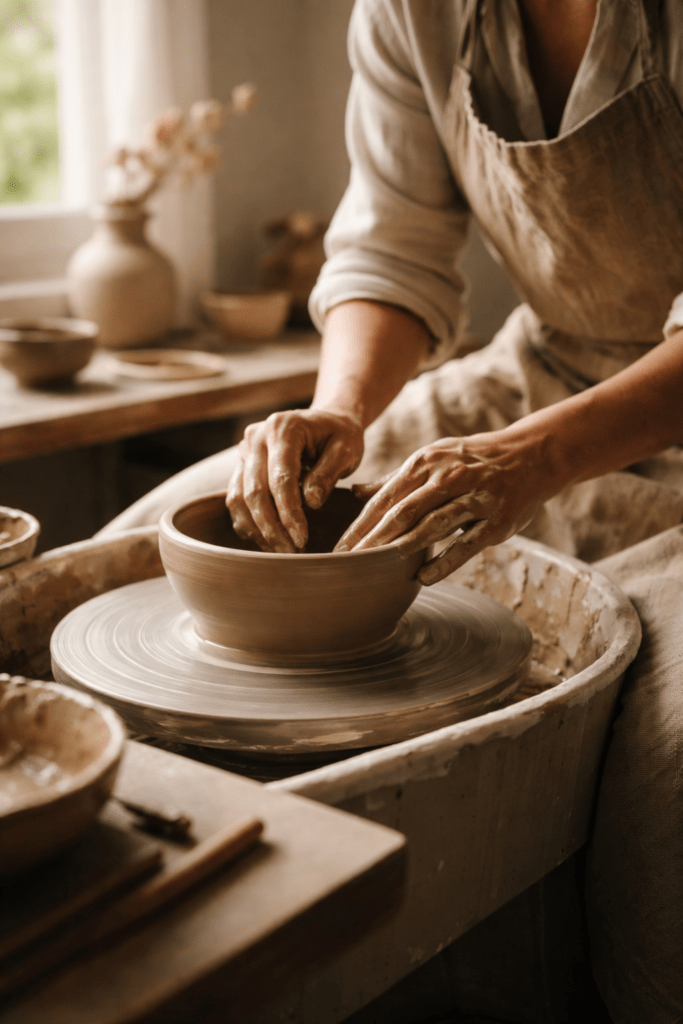
Why Craft Safety Matters More Than You Think
Craft feels simple.
You sit down, use your hands, and make something.
It doesn’t seem dangerous.
But every craft involves:
- Tools
- Materials
- Movement
And each of these carries potential risk.
Most accidents don’t happen because crafting is dangerous.
They happen because people are:
- Distracted
- Rushing
- Unaware
Safety is not about fear.
It is about awareness.
And when you understand the basics, crafting becomes both safe and enjoyable.
The Core Principle of Craft Safety
Before anything else, remember this:
👉 Safe crafting is attentive crafting
When your attention is present:
- You move more carefully
- You notice risks earlier
- You respond more quickly
Most safety issues come from lack of attention.
Not lack of skill.
So the first step is simple:
Stay aware.
Understanding the Three Main Risk Areas
Every craft involves three core elements:
- Tools
- Materials
- Environment
Each one has its own type of risk.
Understanding these helps you prevent problems before they happen.
Tool Safety Basics
Tools are the most obvious source of risk.
Even simple tools can cause injury if used incorrectly.
Common Tool Risks
- Cuts from sharp edges
- Slips due to poor control
- Overuse causing strain
How to Stay Safe
Use tools for their intended purpose
Keep tools clean and in good condition
Hold tools firmly but not rigidly
Work slowly and with control
Never rush.
Speed increases mistakes.
Control reduces risk.
Material Safety Basics
Materials are often overlooked.
But they can also cause problems.
Common Material Risks
- Dust or particles
- Chemical exposure
- Sharp or rough surfaces
How to Stay Safe
Know what your material is
Avoid inhaling dust
Wash hands after working
Use natural or safe materials when possible
If something feels irritating or uncomfortable—
pay attention.
Workspace Safety
Your environment affects your safety more than you realize.
A poor setup increases risk.
Common Workspace Issues
- Clutter
- Poor lighting
- Unstable surfaces
How to Improve Safety
Keep your workspace clean
Ensure good lighting
Use a stable table or surface
Keep tools organized
A clear space supports clear attention.
Body Awareness and Posture
Craft involves repeated movements.
Over time, poor posture can cause:
- Wrist strain
- Back discomfort
- Neck tension
Simple Guidelines
Sit comfortably
Keep your back supported
Take short breaks
Relax your grip when possible
Craft should not feel physically stressful.
If it does—
adjust.
Working at the Right Pace
One of the most common causes of accidents is rushing.
When you move too quickly:
- Control decreases
- Mistakes increase
- Awareness drops
Slow movement improves:
- Accuracy
- Safety
- Quality
Craft is not about speed.
It is about attention.
Handling Sharp Tools Safely
Sharp tools are useful.
But they require respect.
Basic safety habits include:
Cut away from your body
Keep fingers clear of cutting paths
Store tools properly after use
Never leave sharp tools exposed
Developing these habits early prevents problems later.
Working With Heat and Fire
Some crafts involve heat:
- Candle making
- Wood burning
- Heat tools
These require extra care.
Safety Tips
Never leave heat sources unattended
Keep flammable materials away
Use proper holders or surfaces
Allow materials to cool before handling
Heat-related accidents often happen when attention drops.
Stay present.
Chemical and Adhesive Safety
Some materials include chemicals:
- Glue
- Resin
- Paint
These can affect:
- Skin
- Breathing
- Eyes
Safe Practices
Work in a ventilated area
Avoid direct contact with skin
Follow usage instructions
Do not mix unknown substances
If something smells strong or feels uncomfortable—
increase airflow or stop.
Keeping Your Space Organized
Disorganization increases risk.
Tools get lost.
Materials get mixed.
Accidents become more likely.
A simple system helps:
- Keep tools in one place
- Store materials properly
- Clean after each session
Organization supports safety.
Safety for Beginners
Beginners are more likely to make mistakes.
Not because they are careless—
but because they are unfamiliar.
This is normal.
To stay safe:
Start with simple tools
Use basic materials
Move slowly
Stay focused
As your experience grows, your safety awareness will improve.
Common Safety Mistakes to Avoid
Rushing through tasks
Ignoring discomfort
Using tools incorrectly
Working in poor lighting
Leaving tools unattended
Each of these increases risk.
Avoiding them keeps your process smooth and safe.
Building Safe Habits Over Time
Safety is not a one-time decision.
It is a habit.
Each time you:
- Move carefully
- Stay aware
- Work consistently
You strengthen that habit.
Over time, safety becomes natural.
You don’t need to think about it.
You just do it.
What to Do If Something Goes Wrong
Even with care, small accidents can happen.
Stay calm.
Stop what you are doing.
Assess the situation.
Address it immediately.
Most issues are minor if handled early.
Ignoring problems makes them worse.
FAQ
Is crafting dangerous?
Most crafts are safe when done with attention and proper precautions.
What is the most important safety rule?
Stay aware and avoid rushing.
Do beginners need special safety equipment?
Not always, but basic awareness and simple precautions are essential.
How can I prevent injuries while crafting?
Use tools correctly, maintain a clean workspace, and move slowly.
What should I do if I feel discomfort while crafting?
Stop, adjust your posture or setup, and continue only when comfortable.
Final Reflection
Safety is not separate from crafting.
It is part of it.
It is how you move.
How you pay attention.
How you respond.
You don’t need to be afraid.
You only need to be aware.
Move slowly.
Stay present.
And let your process remain:
- Calm
- Controlled
- Safe
Because the best crafting experience—
is one where nothing interrupts your focus.
Nothing pulls you away.
And nothing puts you at risk.