Tea Science

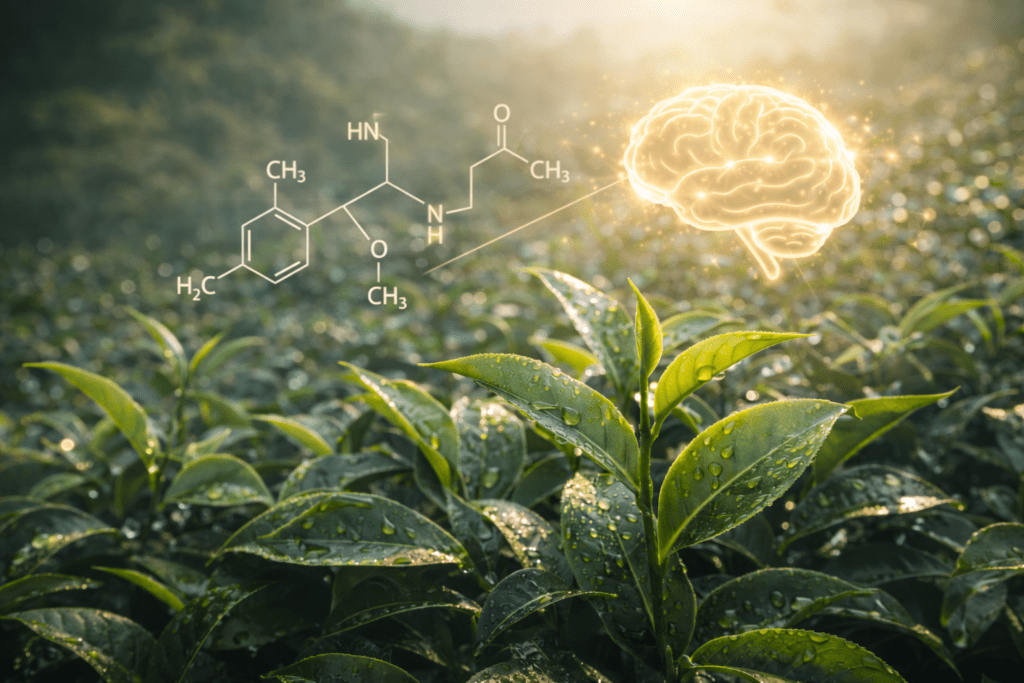
L-Theanine in Tea: Why Tea Creates Calm and Focused Energy

Tea has a unique effect on the mind. Unlike coffee, which often produces a strong burst of energy, tea tends to create a calmer and more balanced form of alertness. Many tea drinkers describe this feeling as relaxed focus. The reason for this difference lies in a natural compound called L-theanine. L-theanine is an amino […]

L-Theanine in Tea: Why Tea Creates Calm and Focused Energy Read More »
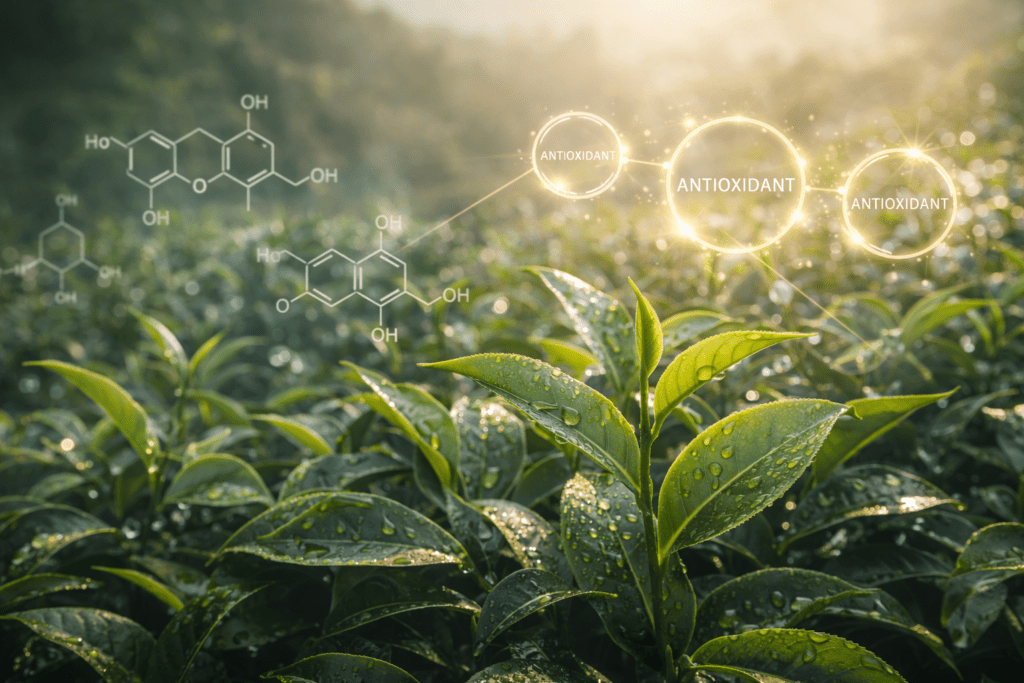
Catechins in Green Tea: Understanding the Powerful Antioxidants in Tea

Green tea is often praised for its potential health benefits, and one of the main reasons behind this reputation is the presence of catechins. Catechins are a type of natural antioxidant belonging to a larger group of compounds known as polyphenols. These molecules help protect cells from oxidative stress and play an important role in

Catechins in Green Tea: Understanding the Powerful Antioxidants in Tea Read More »

Polyphenols in Tea Explained: Why Tea Is Rich in Powerful Antioxidants

Tea has been consumed for thousands of years not only for its flavor but also for its potential health benefits. One of the key reasons tea is often considered a healthy beverage is its high concentration of polyphenols. Polyphenols are natural plant compounds that act as antioxidants. They help protect cells from damage caused by

Polyphenols in Tea Explained: Why Tea Is Rich in Powerful Antioxidants Read More »

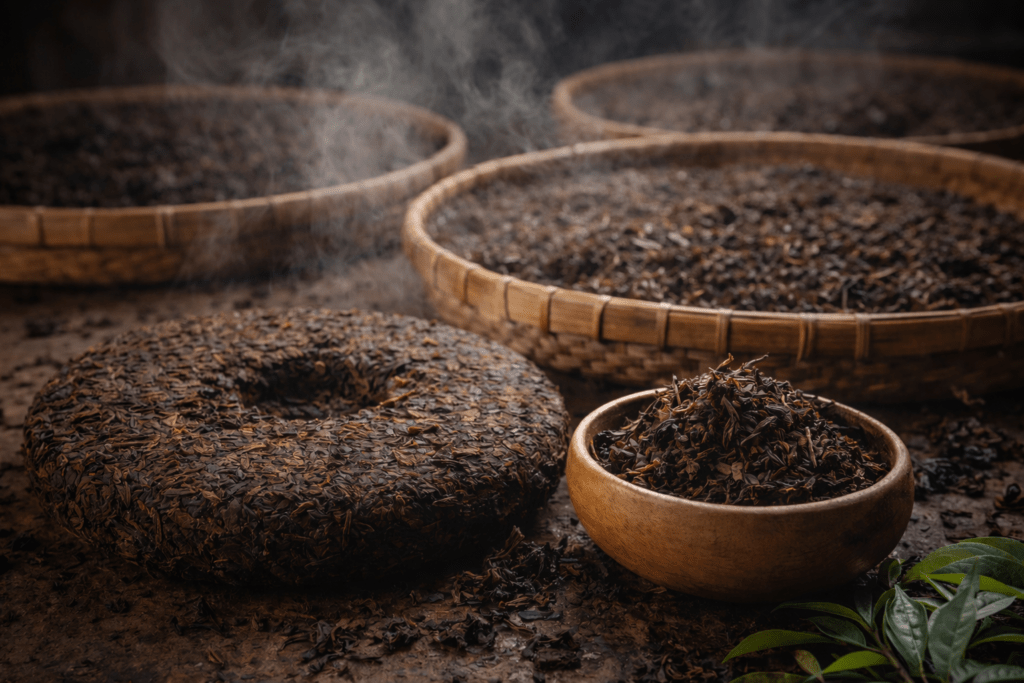
Tea Fermentation Explained: Understanding Fermented Teas and Their Unique Flavor

Fermentation is one of the most misunderstood processes in tea production. Many people assume that all teas are fermented, but in reality, true fermentation occurs only in certain types of tea. Most teas undergo oxidation, a chemical reaction with oxygen. Fermentation, however, involves microorganisms such as bacteria and fungi that transform the tea over time.

Tea Fermentation Explained: Understanding Fermented Teas and Their Unique Flavor Read More »

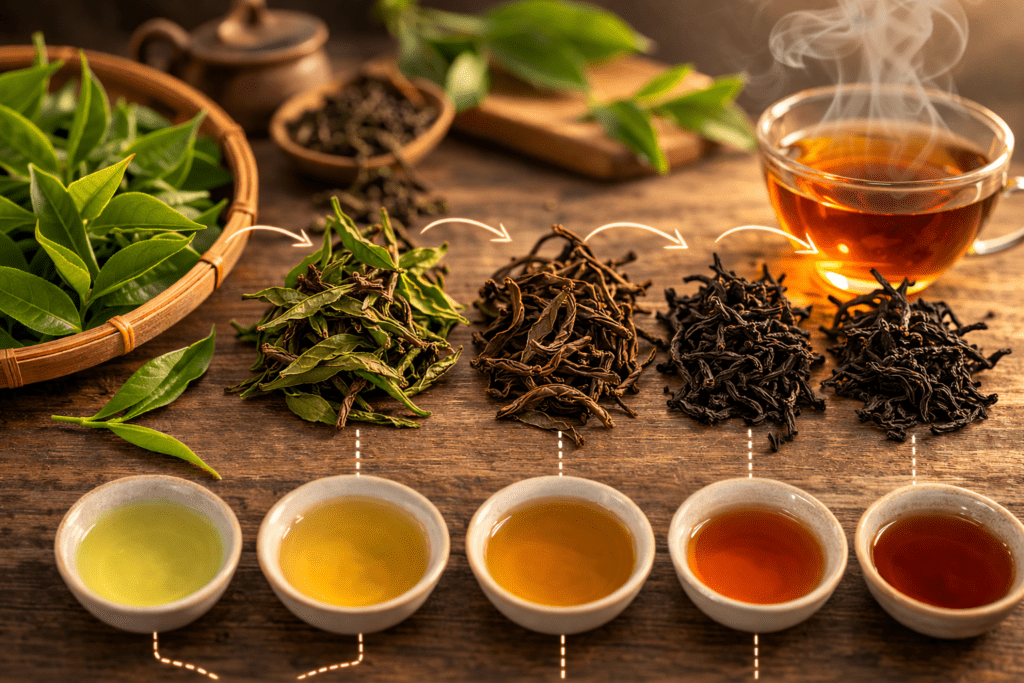
Tea Oxidation Explained: How Oxidation Shapes the Flavor of Tea

Oxidation is one of the most important processes in tea production. It plays a major role in determining the flavor, aroma, color, and character of different teas. Although all traditional teas come from the same plant, Camellia sinensis, the way tea leaves are processed after harvesting creates dramatic differences between tea types. The key factor

Tea Oxidation Explained: How Oxidation Shapes the Flavor of Tea Read More »

How Tea Is Made: From Leaf to Cup — The Complete Tea Production Process

Tea is one of the most widely consumed beverages in the world, yet many people rarely think about how tea is actually made. Behind every cup of tea lies a fascinating journey that begins with fresh leaves and ends with a carefully crafted beverage. From the mountains of China and Japan to plantations in India

How Tea Is Made: From Leaf to Cup — The Complete Tea Production Process Read More »