Tea Science

Tea Aroma Guide: How to Smell and Understand Tea Like an Expert

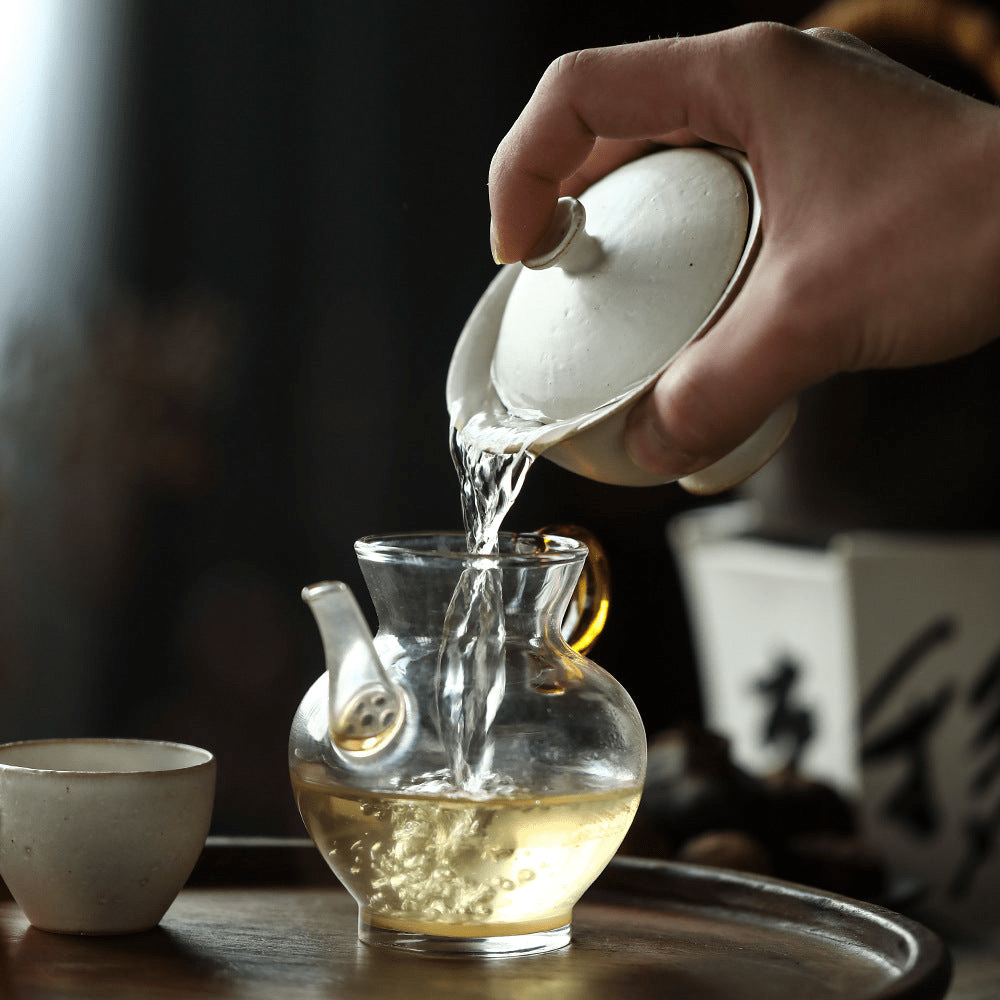
If flavor is what you taste… 👉 Aroma is what you truly experience. In fact: Most of what you call “taste” is actually smell. That’s why learning tea aroma is one of the fastest ways to level up your tea experience. Quick Answer (Featured Snippet) 👉 Tea aroma comes from volatile compounds released during brewing […]

Tea Aroma Guide: How to Smell and Understand Tea Like an Expert Read More »
Why Tea Leaves Expand When Brewing: The Science Behind Tea Unfolding

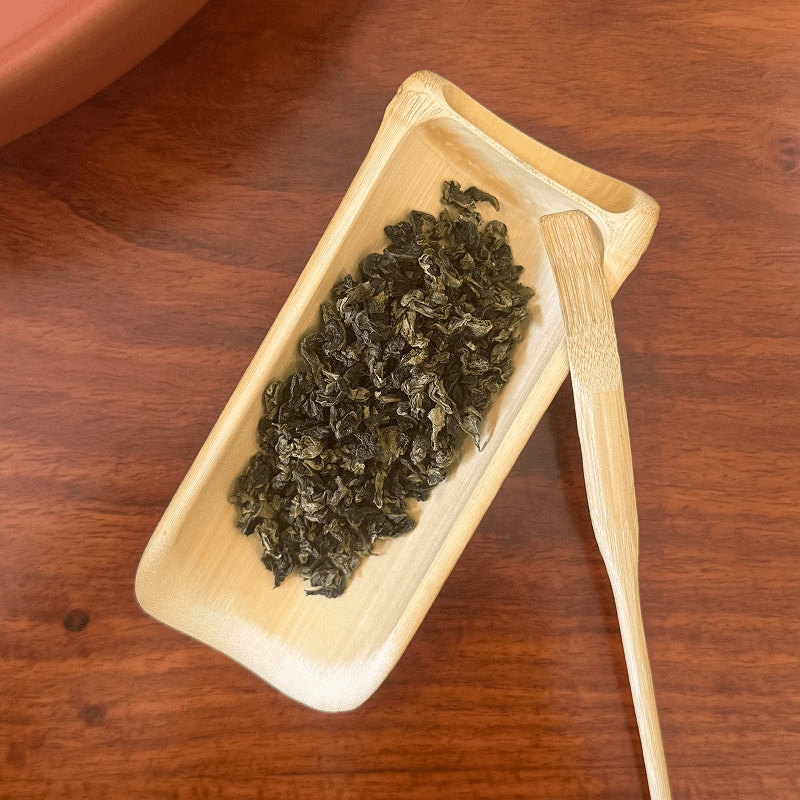
Have you ever noticed this? You start with a small amount of dry tea… and a few minutes later, the leaves seem to triple in size. So what’s actually happening? 👉 It’s not just “soaking”—it’s a full transformation. Quick Answer (Featured Snippet) 👉 Tea leaves expand because they absorb water, rehydrate, and return to their

Why Tea Leaves Expand When Brewing: The Science Behind Tea Unfolding Read More »

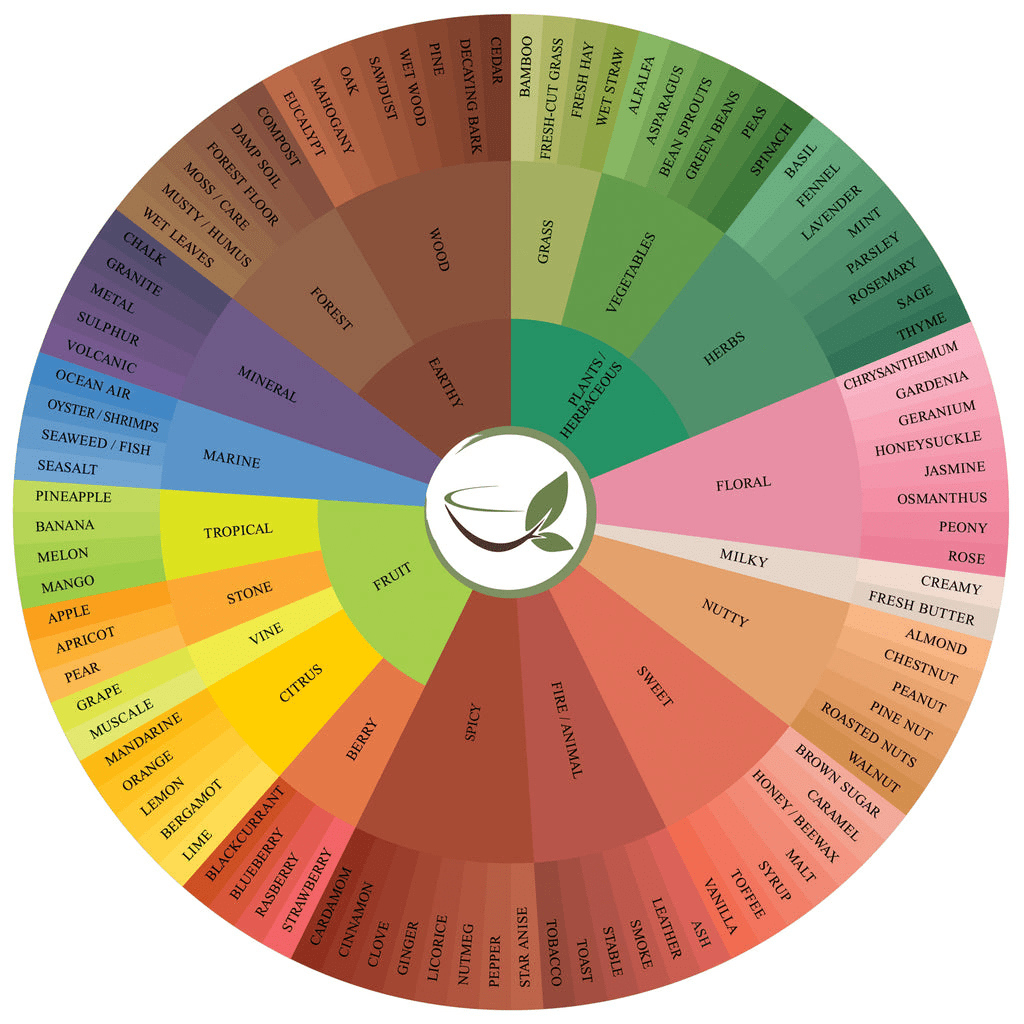
Tea Flavor Wheel Explained: How to Understand and Describe Tea Taste

When people first start tasting tea, they often feel stuck: “I know I like it… but I don’t know how to describe it.” That’s exactly why the tea flavor wheel exists. It gives you a simple way to: 👉 understand 👉 describe 👉 remember what you’re tasting. What Is a Tea Flavor Wheel? A tea

Tea Flavor Wheel Explained: How to Understand and Describe Tea Taste Read More »

How Much Caffeine Is in Tea? A Complete Guide by Tea Type

If you’re wondering: You’re not alone. This is one of the most searched questions about tea. Let’s break it down clearly—no confusion. Does Tea Contain Caffeine? Yes. All “true tea” comes from the same plant: Camellia sinensis And naturally contains caffeine. Average Caffeine in Tea (Quick Answer) Here’s what most people want: Caffeine per 240ml

How Much Caffeine Is in Tea? A Complete Guide by Tea Type Read More »

The Chemistry of Tea Flavor: What Makes Tea Taste the Way It Does

Why does green tea taste fresh and grassy… while black tea feels rich and bold? Why can the same leaf produce completely different flavors? The answer is not magic. It’s chemistry. But don’t worry—this guide will break it down in a way that actually makes sense. Tea Flavor Comes from Compounds, Not “Tea Type” All

The Chemistry of Tea Flavor: What Makes Tea Taste the Way It Does Read More »

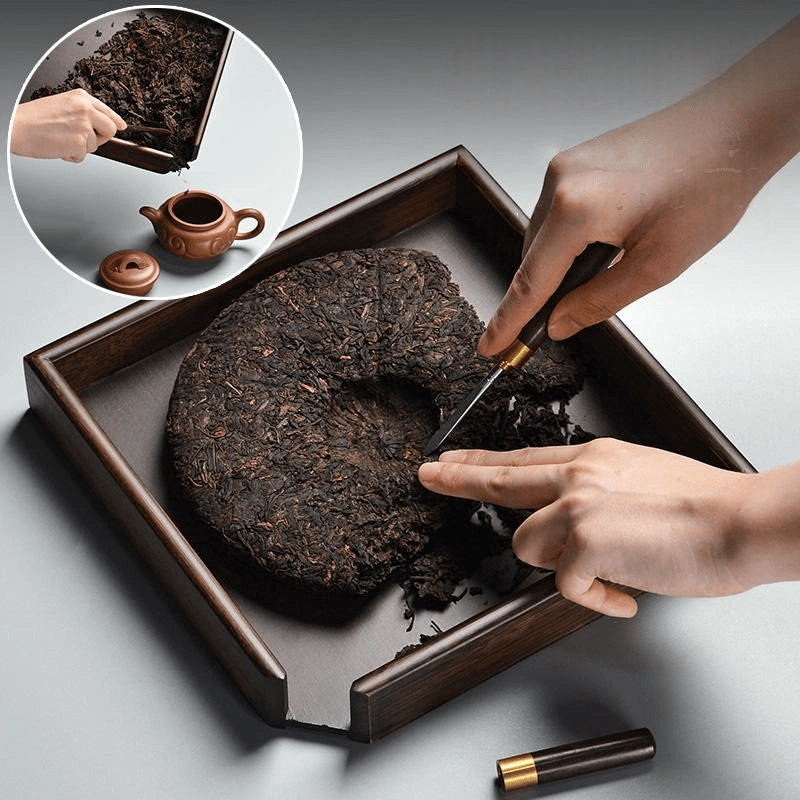
Tea Storage Science: How to Store Tea Properly for Freshness and Aging

Tea is extremely sensitive. More than coffee. More than wine. In fact, how you store tea matters just as much as the tea itself. You can buy high-quality tea… and completely ruin it within weeks. Or… You can store it properly—and preserve or even improve it over time. This guide breaks down the real science

Tea Storage Science: How to Store Tea Properly for Freshness and Aging Read More »

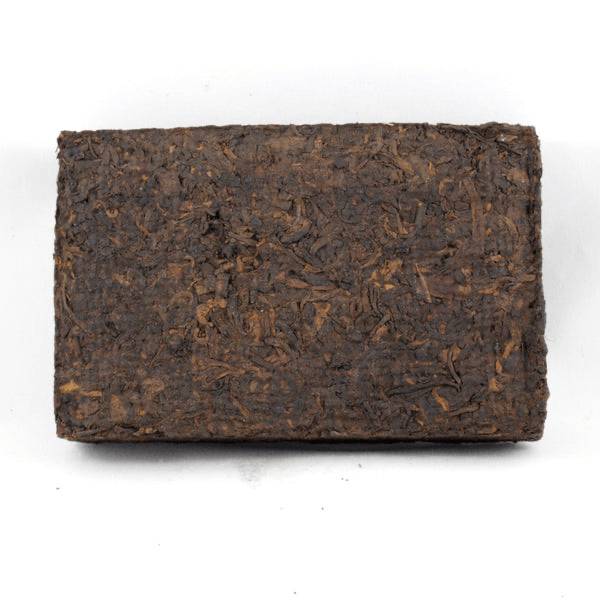
How Pu-erh Tea Ages: The Science, Timeline, and Flavor Evolution

Pu-erh tea is often called: “The wine of tea.” But unlike wine, Pu-erh aging is more complex, less predictable, and deeply tied to environment, storage, and microbial life. Some Pu-erh teas improve dramatically over decades. Others never reach their potential. So what really happens when Pu-erh ages? What Makes Pu-erh Tea Unique? Pu-erh is one

How Pu-erh Tea Ages: The Science, Timeline, and Flavor Evolution Read More »

Aging Tea: Why Some Teas Improve Over Time

Aging Tea: Why Some Teas Improve Over Time Tea is one of the very few natural beverages that can improve with age. While most foods deteriorate over time, certain teas—especially Pu-erh, white tea, and some oolong teas—undergo complex transformations that enhance their flavor, texture, and even perceived health value. But why does this happen? And

Aging Tea: Why Some Teas Improve Over Time Read More »

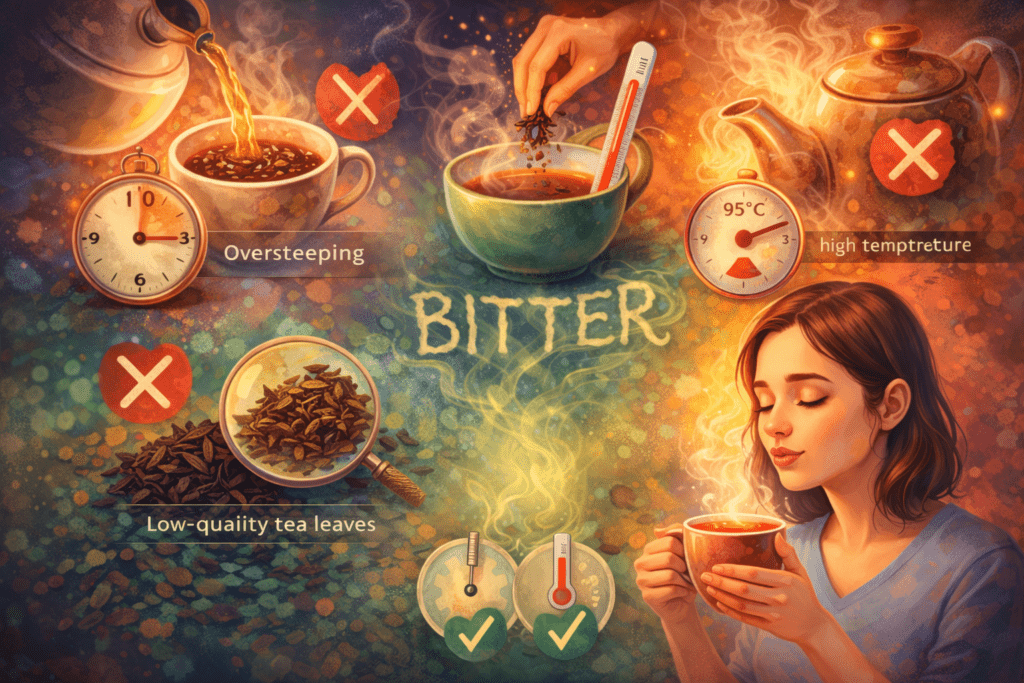
Why Tea Tastes Bitter Sometimes: Causes and How to Fix It

Tea is often described as smooth, refreshing, and complex. However, many tea drinkers occasionally experience a cup of tea that tastes unexpectedly bitter. This can be confusing, especially for beginners who expect tea to be mild and pleasant. In most cases, bitterness in tea is not a sign of poor quality. Instead, it usually results

Why Tea Tastes Bitter Sometimes: Causes and How to Fix It Read More »

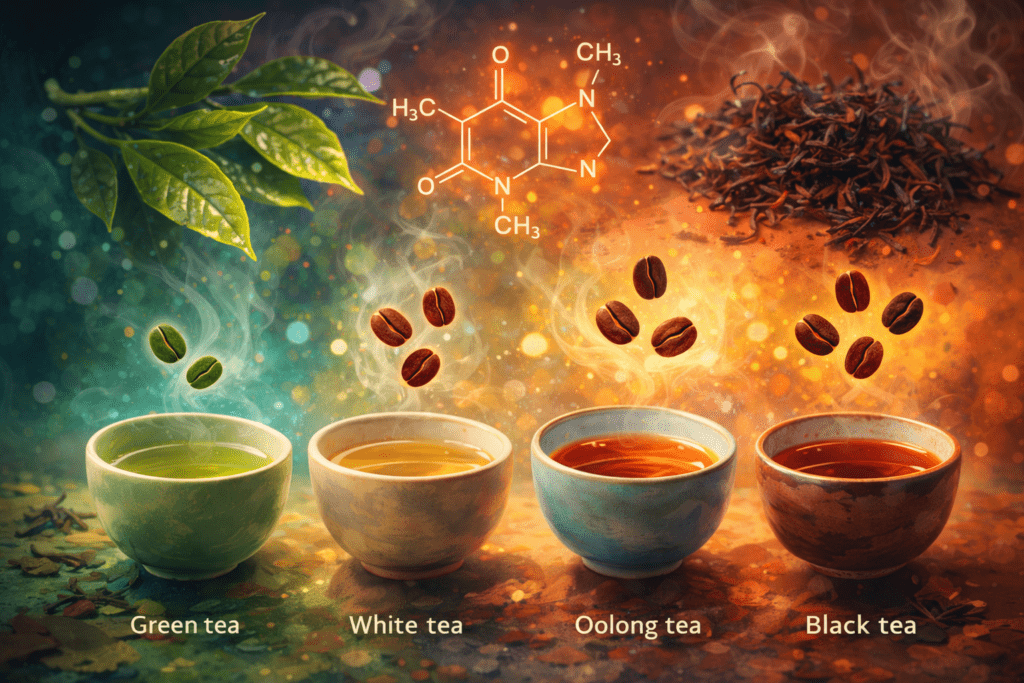
Caffeine in Tea Guide: How Much Caffeine Is in Different Types of Tea?

Tea is widely appreciated for its gentle energy and balanced stimulation. One of the main reasons people drink tea is because it contains caffeine, a natural stimulant that can improve alertness and concentration. However, many people are surprised to learn that not all teas contain the same amount of caffeine. The caffeine level in tea

Caffeine in Tea Guide: How Much Caffeine Is in Different Types of Tea? Read More »